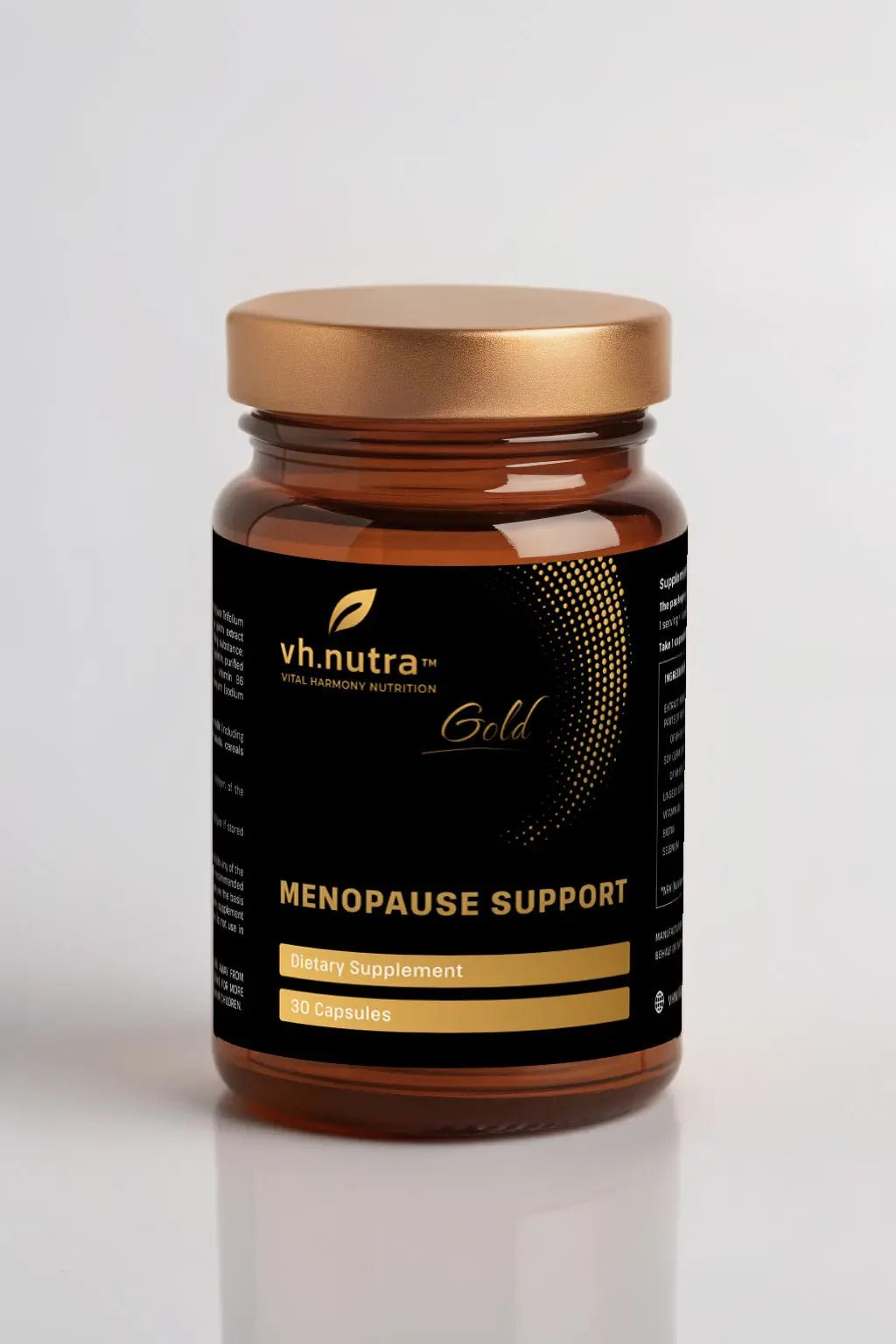
Menopause is a natural and inevitable stage of a woman’s life, usually accompanied by hormonal balance changes, hot flashes and an increased risk of bone fragility. Properly chosen support — a balanced diet and quality supplements — can significantly ease this transitional period. In the StayStrong range you will find VH.Nutra Menopause Support — a formula of herbal extracts and trace elements created specifically for the menopause period.
Although menopause is often discussed only as a source of symptoms, this stage can also be a great opportunity to take a closer look at your health. By understanding what is happening in the body, women can actively care for their bones, heart and energy instead of simply waiting for discomfort.
Key Takeaways
- Menopause — a natural stage during which estrogen levels decrease, affecting bones, mood and energy.
- Bone health — after menopause bone mass loss accelerates, making calcium and vitamin D especially important.
- Isoflavones — compounds from soy and red clover are often used to reduce hot flashes and discomfort.
- Protein and energy — an adequate protein intake helps maintain muscle mass and vitality.
Contents
What Is Menopause?
Menopause is the period when a woman’s ovaries gradually stop producing estrogen and progesterone, and menstruation disappears. This stage most often begins between the ages of 45 and 55, although for some women it may come earlier or later. Menopause is officially confirmed when periods do not return for 12 consecutive months.
This transitional period is not a disease — it is a natural physiological development. However, the decline in hormones causes changes that can affect bone density, skin condition, mood and energy levels. That is why menopause support becomes an important part of the daily routine, helping you feel better.
Menopause symptoms can vary greatly — some women notice only minor changes, while others experience more pronounced discomfort. The most commonly mentioned signs are an irregular cycle, hot flashes, sleep disturbances, mood swings and reduced energy. The sooner proper support is started, the more smoothly this stage can be navigated.
7 Benefits of Menopause Support for Women’s Health
Properly chosen support during menopause can help various body systems. Below are the seven most important benefits that a balanced diet and targeted supplements can provide at this stage of life.
It is important to understand that no supplement can replace a healthy lifestyle — they work best together with a balanced diet, regular physical activity and quality sleep. However, targeted formulas can fill the gaps that often appear during this period.
1. Supporting Bone Strength
One of the greatest risks after menopause is accelerated bone mass loss. Estrogen protects bones, so when its level decreases, bones become more fragile and the risk of osteoporosis increases. During this period it is especially important to ensure an adequate intake of calcium and vitamin D.
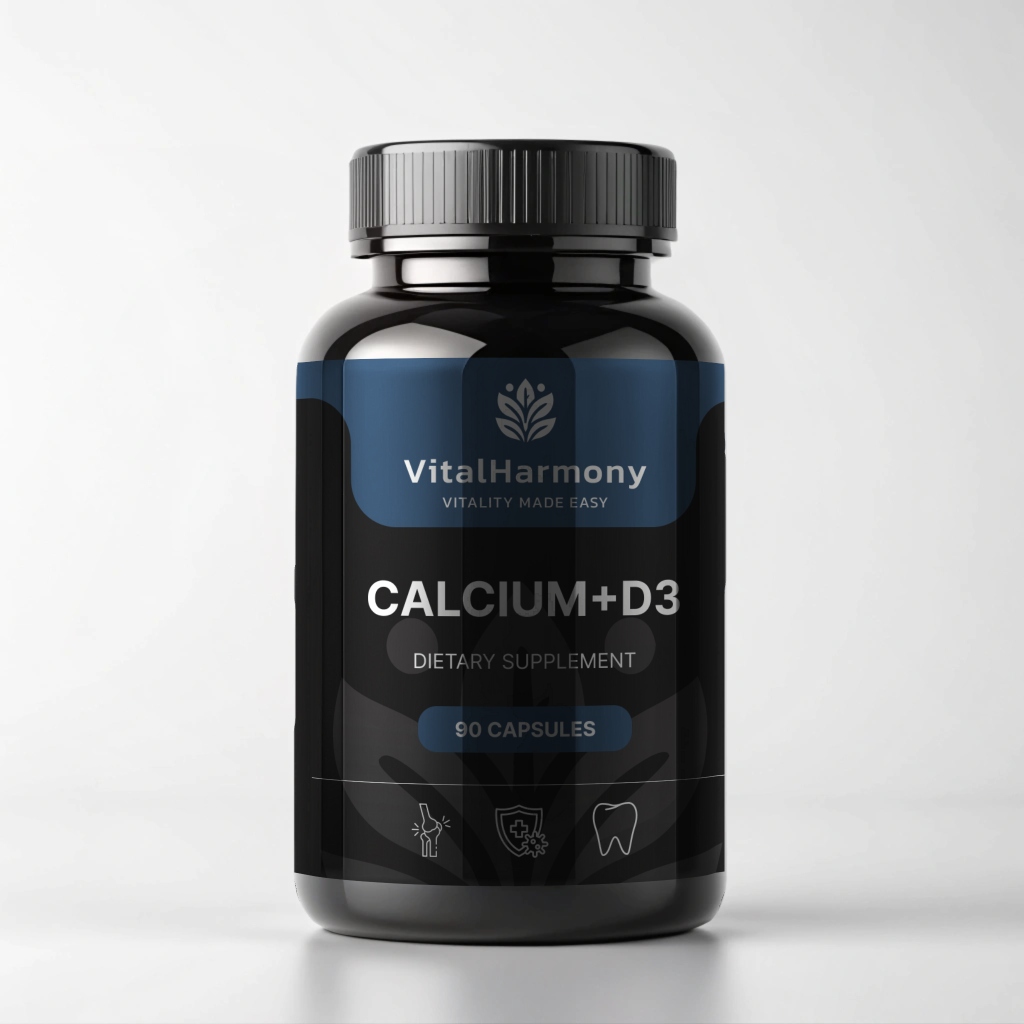
StayStrong offers VitalHarmony Calcium + D3 — a combination in which vitamin D3 helps the body absorb calcium efficiently. Read more about the benefits of calcium in our article about calcium.
Bone density loss during menopause occurs gradually and often without any noticeable symptoms, so it is important to think about bone health in advance. Regular strength training together with an adequate intake of calcium and vitamin D is the main preventive measure recommended by specialists.
2. Supporting Hormonal Balance
During menopause, hormonal fluctuations can cause a lot of discomfort. Plant isoflavones — compounds found in soy and red clover — are structurally similar to estrogen and can gently help maintain hormonal balance in a natural way.
The VH.Nutra Menopause Support formula combines red clover and soy sprout isoflavones with flax seed extract and vitamin B6 — all designed to support the body during menopause.
Natural hormonal balance support does not mean sudden changes — plant compounds work gently and gradually. Therefore it is important to be consistent and take the chosen formula daily, rather than only when symptoms worsen.
3. Reducing Hot Flashes and Sweating
Hot flashes and night sweats are among the most common menopause symptoms, disrupting both daytime and sleep. Research shows that soy isoflavones can help reduce the frequency and intensity of hot flashes for some women.
Although the effect is individual, consistent use of herbal extracts often becomes the first step women try to achieve greater comfort at this stage of menopause.
In addition to isoflavones, lifestyle adjustments can help reduce hot flashes — lighter clothing, a cooler bedroom temperature, and limiting caffeine and alcohol. Combining these habits with suitable supplements often makes the result more noticeable.
Sleep quality is also closely linked to hot flashes — night sweats often cause awakenings and fatigue the next day. A cool, dark bedroom environment and a relaxation routine before bed can help reduce the impact of these nighttime disturbances.
4. Supporting Mood and Emotional Well-being
Hormonal changes during menopause can affect mood, causing irritability or emotional sensitivity. Vitamin B6, which is found in some menopause support complexes, contributes to normal nervous system function and psychological function.
In addition, magnesium — an important mineral for relaxation and sleep quality — is often recommended for women at this stage of life. Read more about magnesium in our article.
Emotional well-being during menopause also depends on sleep quality and stress management. Regular movement, relaxation techniques and a balanced diet together with suitable trace elements help maintain a more stable mood.
5. Restoring Energy and Vitality
Fatigue and reduced vitality are common companions of menopause. At this stage the body needs more attention — enough protein, vitamins and minerals to maintain energy and muscle mass.
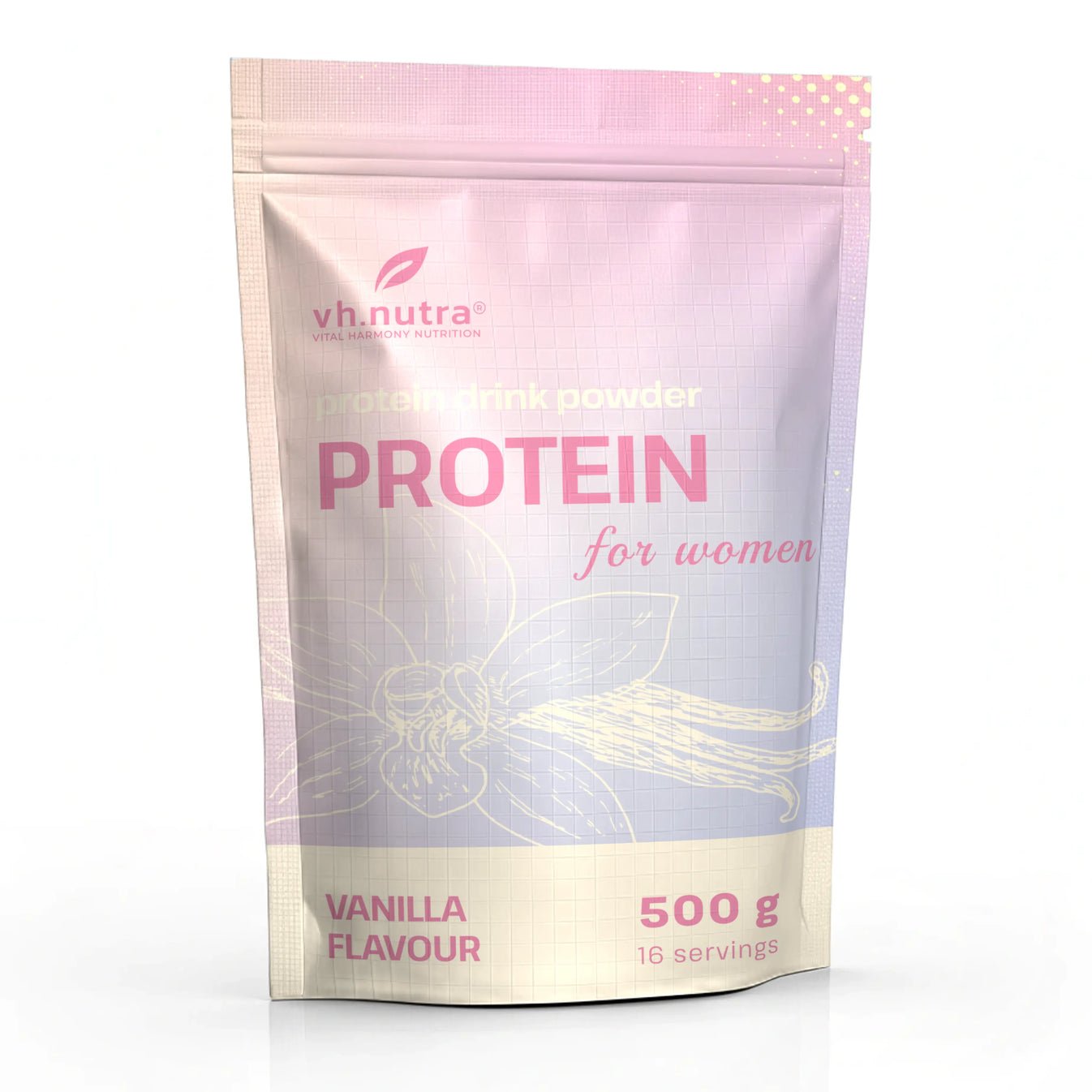
VH.Nutra Protein for Women — a protein blend enriched with zinc, biotin, selenium and hyaluronic acid, helps maintain strength and beauty from within during the menopause period.
Energy deficiency at this stage is often related not only to hormones but also to the need for iron and B vitamins. Therefore it is worth ensuring that your daily diet and chosen supplements cover all the key components needed for energy metabolism.
Regular physical activity is paradoxically one of the best ways to fight fatigue during menopause. Even a short walk or a light workout helps improve circulation and mood, and together with suitable supplements — restores vitality.
6. Skin, Hair and Nail Health
Reduced estrogen levels in menopause can lead to dry skin, thinning hair and brittle nails. Biotin, selenium and zinc — trace elements that contribute to the maintenance of normal skin, hair and nails.
These components are often included in formulas designed for women, such as the aforementioned protein blend, to support beauty from within during the transitional period.
Skin dryness during menopause is also linked to reduced oil production, so it is important to drink enough water and ensure the intake of good fats such as omega-3. External hydration and internal support together produce the best result.
Hair loss and brittle nails during this period often reflect the overall condition of the body, so supplementing trace elements such as biotin, zinc and selenium can be beneficial in the long term. Results are usually noticeable after a few months of consistent use.
7. Supporting Heart and Cardiovascular Health
After menopause, the risk of cardiovascular disease increases because estrogen previously provided a protective effect on blood vessels. A balanced diet, an adequate intake of omega-3 fatty acids and an active lifestyle become even more important.
Although menopause support supplements are not medicines, they can complement a healthy routine and help maintain overall well-being. In the review by the National Center for Complementary and Integrative Health (NCCIH) you will find more scientifically based information about menopause (NCCIH source).
For heart health at this stage of life, monitoring blood pressure and controlling cholesterol are also important. A healthy diet, movement and enough sleep are the foundation on which any additional support can be built.
How to Take Menopause Support Supplements?
The dosage of menopause support supplements depends on the specific formula. VH.Nutra Menopause Support is usually taken as one capsule per day with water, preferably at the same time each day.
To notice the effect, supplements are recommended to be taken continuously for at least 8–12 weeks. Calcium and vitamin D are best taken with a meal, while a protein blend is best taken in the morning or after physical activity. Before starting any supplement course during menopause, it is worth consulting a doctor about the individual dose.
Consistency is more important than perfection — it is better to take a smaller dose daily than a larger one occasionally. The most convenient approach is to link supplements to an existing daily ritual, such as your morning coffee or dinner, so you don’t forget them.
Possible Side Effects
Most menopause support supplements are well tolerated. Some women may experience mild digestive discomfort or bloating, especially when starting to take preparations containing isoflavones.
Women with a history of hormone-dependent conditions must consult a doctor before taking isoflavone preparations. These supplements are generally not recommended for pregnant or breastfeeding women.
It is also worth noting that some herbal extracts can interact with medications, so if you are taking prescription drugs you must inform your doctor about planned supplements. Safety should always come first.
Menopause and Bone Health — What’s Important to Know?
Bone mass loss during menopause is one of the most important areas of long-term support. In addition to calcium and vitamin D, vitamin K2 is also important, as it helps direct calcium into the bones rather than into the blood vessels. Read more about the benefits of vitamin D in our article about vitamin D.
Regular physical activity, especially strength training, together with proper nutritional support is the best strategy for maintaining bone strength at this stage of life.
In summary, the menopause period does not require drastic changes — usually a few consistent habits are enough: enough calcium and vitamin D, protein at every meal, and targeted supplements that help maintain hormonal balance and overall well-being.
Frequently Asked Questions (FAQ)
When does menopause begin?
Menopause most often begins between the ages of 45 and 55, on average around 51. It is considered to have occurred when periods do not return for 12 consecutive months.
Do menopause support supplements really work?
Plant isoflavones and trace elements can help reduce some symptoms, but the effect is individual. The most important thing is consistent use and realistic expectations.
Which vitamins are most important to take during menopause?
Calcium, vitamin D and vitamin K2 are especially important for bone health, as well as B vitamins for energy and magnesium for sleep and mood.
Can I combine several supplements?
Yes, menopause support complexes can be combined with calcium, vitamin D and protein. StayStrong offers VH.Nutra Menopause Support, which is convenient to combine with other daily supplements.
Does menopause affect weight?
Yes, due to hormonal changes and a slower metabolism, weight can accumulate more easily during menopause, especially in the abdominal area. Regular movement and an adequate protein intake help maintain muscle mass and a more stable weight.
Disclaimer: This information is for educational purposes only and cannot replace professional medical advice. Before starting to take any food supplements, you must consult a doctor or pharmacist.
Related Articles
- Vitamin D: 7 benefits for immunity, bones and mood
- Calcium: 7 Benefits for Bones, Muscles and General Health
- Magnesium: 7 Benefits for Sleep, Muscles and Health
- Menopause supplements: calcium, vitamin D and magnesium