Contents
In short:
- Testosterone is the main male sex hormone that supports muscle mass, energy, libido and bone density.
- Levels decline naturally with age – usually around 1% per year after 30–40, but sleep, diet and physical activity have a major impact.
- The most important dietary factors are zinc, vitamin D and enough healthy fats; among herbal supplements, tribulus and maca are the most popular.
- Testosterone is not taken directly as a food supplement – its natural level can be supported with a balanced diet, movement and targeted supplements.
Testosterone is a hormone many people associate only with muscles and sport, but its role in the body is much broader. This hormone takes part in energy metabolism, mood regulation, bone density maintenance and even red blood cell production. In this article we will look at the seven most important benefits of testosterone, explain how to support its level naturally, what influence diet has and when it is worth considering supplements.
Key takeaways
- Testosterone supports muscle mass, energy, libido, bone density and mood – its effect on the body is complex.
- Levels decline gradually with age, so it is important to watch sleep, stress, body weight and diet.
- Zinc and vitamin D are the two most important substances whose deficiency is often linked to lower testosterone levels.
- Tribulus, maca and ashwagandha are the most popular herbal supplements, but they should be chosen responsibly and with realistic expectations.
What is testosterone?
Testosterone is the main male sex hormone, belonging to the androgen group. It is produced in the testicles, while a small amount is also secreted by the adrenal glands. Although testosterone is mostly associated with men, the female body also produces it – just at much lower concentrations – and it plays a role in maintaining libido and bone health.
This hormone begins working even before birth – it determines the development of male sex organs – and remains important throughout life. During puberty, testosterone stimulates a deepening voice, body hair growth and muscle development, while in adult men it helps maintain muscle mass, energy and sexual function. According to the US National Library of Medicine’s MedlinePlus testosterone overview, this hormone is named as the most important androgen in the human body.
Testosterone levels are not constant – they fluctuate throughout the day (highest in the morning) and naturally decline with age. It is important to understand that a small fluctuation is completely normal, and only a marked and long-term decrease can lead to noticeable symptoms. That is why, before drawing conclusions, it is worth having a blood test rather than relying on how you feel alone.
In the laboratory, testosterone level is usually measured in nanomoles per litre (nmol/L). Reference ranges depend on the laboratory and age, but the general range for adult men usually varies from about 8 to 30 nmol/L. The test is best done in the morning, when hormone levels are highest, and if the result raises doubts, it is worth repeating it another day.
1. Maintaining muscle mass and strength
Testosterone is one of the most important hormones that stimulate protein synthesis in muscles. This means the body uses protein from food more effectively for repairing and growing muscle fibres. That is why men whose testosterone level is within a healthy range usually gain muscle mass more easily and maintain strength even as training load increases.
When testosterone level drops with age or due to an unhealthy lifestyle, muscle mass may start to decrease while fat increases. This process happens gradually, so it is easy to miss. Regular strength training and enough protein help maintain muscle, and testosterone acts in this process as the main signalling hormone.
It is important to emphasise that no herbal product will build muscle without an adequate training stimulus and protein. Supporting testosterone works as the foundation on which the result is built – without this foundation even the best supplements will produce little effect.
2. Increasing energy and endurance
Testosterone is closely linked to energy levels and motivation. People with lower testosterone concentration often complain of constant fatigue, reduced performance and lack of motivation, even when getting enough sleep. When the hormone level normalises, energy and vitality usually return.
Testosterone also contributes to red blood cell production, which means better oxygen delivery to muscles during physical activity. Greater oxygen availability helps maintain endurance for longer and recover faster after training, which is why this hormone is especially important for athletes.
However, a lack of energy can have many causes – from sleep deprivation to iron or vitamin B12 deficiency. Before blaming hormones alone, it is worth assessing your overall lifestyle and, if necessary, having tests to find the real cause of fatigue.
3. Supporting libido and sexual function
Testosterone is the main hormone that regulates sexual desire in both men and women. When its level drops, the first noticeable changes are often related to libido – reduced desire, less frequent morning erections or decreased arousal.
Sexual function support is one of the areas where testosterone’s influence is best studied. In some cases, doctors prescribe testosterone therapy for men diagnosed with a clinically low level and pronounced symptoms, but such treatment must be supervised by a specialist.
Naturally, libido can be supported by adequate sleep, stress management and proper diet. Among herbal preparations, maca and tribulus are traditionally used, but their effect is mild and individual – they help some people, while others barely notice a difference.
4. Supporting bone density and strength
Testosterone helps maintain bone density and strength because it stimulates bone tissue formation. For this reason, men with a very low testosterone level have a higher risk of osteoporosis and bone fractures, especially at an older age.
For bone health, testosterone works together with vitamin D and calcium – these substances complement each other. Vitamin D helps absorb calcium, while testosterone promotes bone density maintenance, so all three links are important to avoid bone fragility.
5. Improving mood and well-being
Testosterone affects not only the body but also the psychological state. A low level is often associated with irritability, anxiety, poor mood and even depressive symptoms. A normal testosterone level helps maintain emotional balance and overall well-being.
In this area, it is important not to overestimate the role of a single hormone – mood is also influenced by sleep, social connections, physical activity and diet. Still, if a persistent bad mood accompanies other signs of low testosterone, it is worth checking your level and consulting a doctor.
6. Supporting fat metabolism and body composition
Testosterone helps maintain a healthy ratio of muscle to fat in the body. The more muscle mass there is, the more active the resting metabolism, so the body burns more calories even without exercising.
When testosterone level drops, the body may start storing more fat, especially in the abdominal area. This fat tissue can, in turn, further suppress testosterone production – a vicious circle forms. Regular movement and weight control help break this circle.
7. Supporting red blood cell production
Testosterone stimulates the production of red blood cells (erythrocytes) in the bone marrow. Erythrocytes carry oxygen to tissues, so an adequate amount of them is important for energy, endurance and overall well-being.
Because of this effect, testosterone level is one of the reasons why men usually have more erythrocytes in their blood than women. Still, balance is important – both too low and too high a testosterone level can cause problems, so any changes in hormone levels must be assessed responsibly.
How to support testosterone levels?
The most important natural ways to support testosterone levels are adequate sleep (7–9 hours), regular strength training and stress management, because chronic stress raises cortisol, which suppresses testosterone production. These habits work better than any individual supplement.
For physical activity, compound exercises are especially suitable – squats, push-ups, pull-ups and weightlifting – because they load large muscle groups and stimulate the hormonal system more strongly. It is also important that workouts are not too long: a prolonged intense load can raise cortisol, which works against the desired goal.
Among supplements, two substances are usually highlighted – zinc and vitamin D. The recommended daily intake of zinc for an adult man is about 11 mg, while supplements often use 10–25 mg per day. In the winter months, vitamin D is usually supplemented at a dose of 1000–2000 IU, but the exact dose is best determined by a blood test.
Herbal supplements – tribulus and maca – are traditionally used to support vitality. Typical tribulus doses reach 500–1500 mg per day, and maca – 1.5–3 g per day. The effect usually builds up over several weeks, so it is worth taking them consistently for at least 1–2 months. Exceeding the recommended doses is not advised, because a larger amount does not necessarily mean a better result.
Side effects and precautions
Natural ways of supporting testosterone – diet, sleep and herbal supplements – are usually safe, and serious side effects are rare. Zinc overdose (more than 40 mg per day over a long period) can cause nausea, copper deficiency and other problems, so high doses should be avoided without need.
It is important to distinguish natural support from synthetic testosterone or anabolic steroids, which can only be prescribed by a doctor. Self-administration of hormones is dangerous and can cause serious health problems. If you suspect your testosterone level is low, first see a doctor and have a blood test.
Diet: natural testosterone sources
There are no direct “testosterone sources” in food – the body produces the hormone itself, but it needs specific nutrients to do so. The most important of these is zinc, which is abundant in oysters, beef, pumpkin seeds and legumes. Zinc deficiency is one of the factors most often linked to a lower testosterone level.
Vitamin D is also important, and its main source is sunlight. There is little of it in food – fatty fish, egg yolks and fortified products. In northern countries, including Lithuania, most people lack vitamin D in winter, so supplements are a practical solution during this period.
Do not forget healthy fats – olive oil, nuts, avocados and fatty fish. Testosterone is produced from cholesterol, so too little fat in the diet can negatively affect hormone production. A balanced diet with enough protein and fat is the best foundation for a healthy testosterone level.
FAQ: common questions
Do testosterone supplements really build muscle? Natural supplements such as zinc, tribulus or maca can help maintain a normal testosterone level, but they are not anabolic steroids and will not “miraculously” build muscle. The result depends on training, diet and sleep, while supplements act only as an aid.
What zinc dose is needed to support testosterone? The recommended daily intake for an adult man is about 11 mg, while supplements usually use 10–25 mg per day. Exceeding 40 mg per day over a long period is not advised, as it can cause copper deficiency and other side effects.
Do maca and tribulus work? These herbal preparations are traditionally used to support vitality and energy, and some people notice a positive effect. However, the scientific evidence is mixed, so the effect can be individual – they help some people more and others less.
At what age does testosterone start to decline? Testosterone level usually starts to decline gradually from the age of 30–40, by about 1% per year on average. However, this change is individual and depends heavily on lifestyle – sleep, stress, weight and physical activity.
How do I know if my testosterone level is low? The most reliable way is a blood test ordered by a doctor. A low level may show up as reduced libido, constant fatigue, loss of muscle mass and poor mood, but these symptoms can also have other causes, so a diagnosis must be made by a specialist.
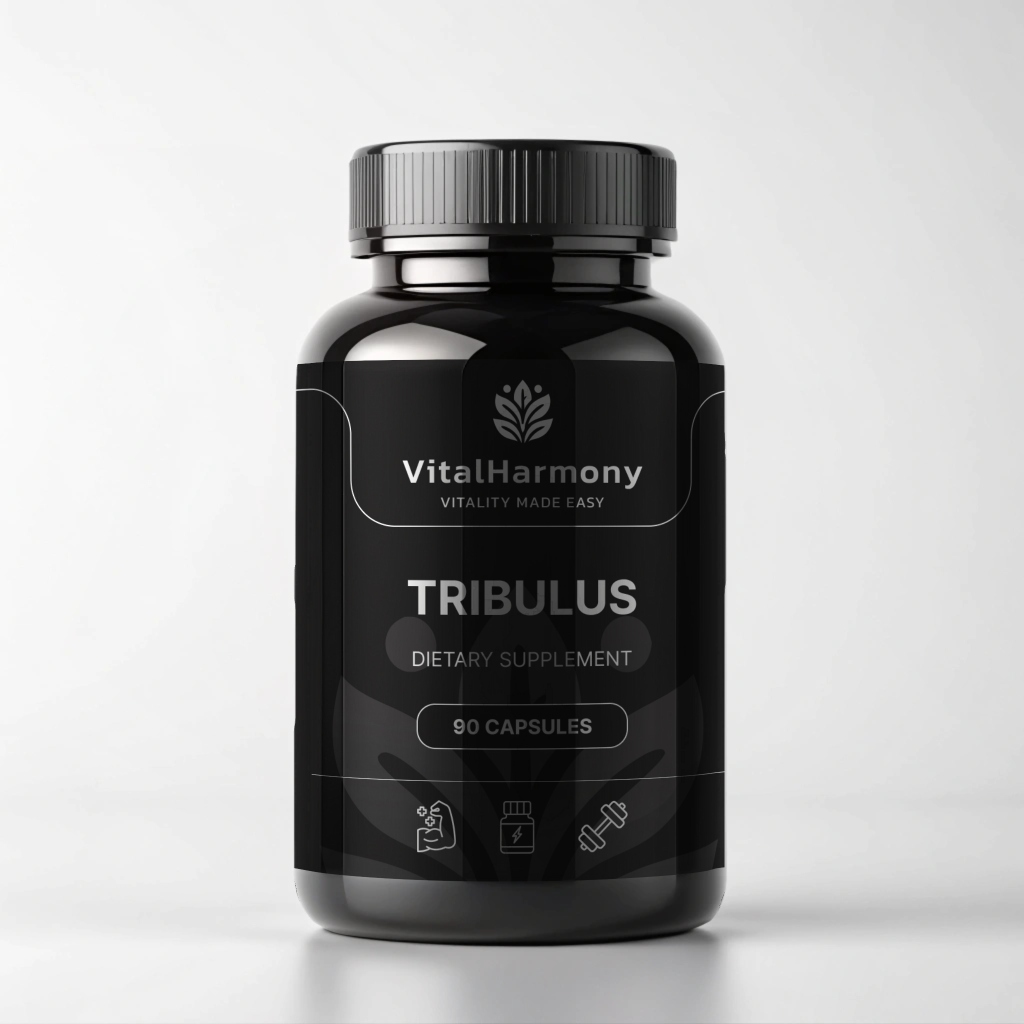
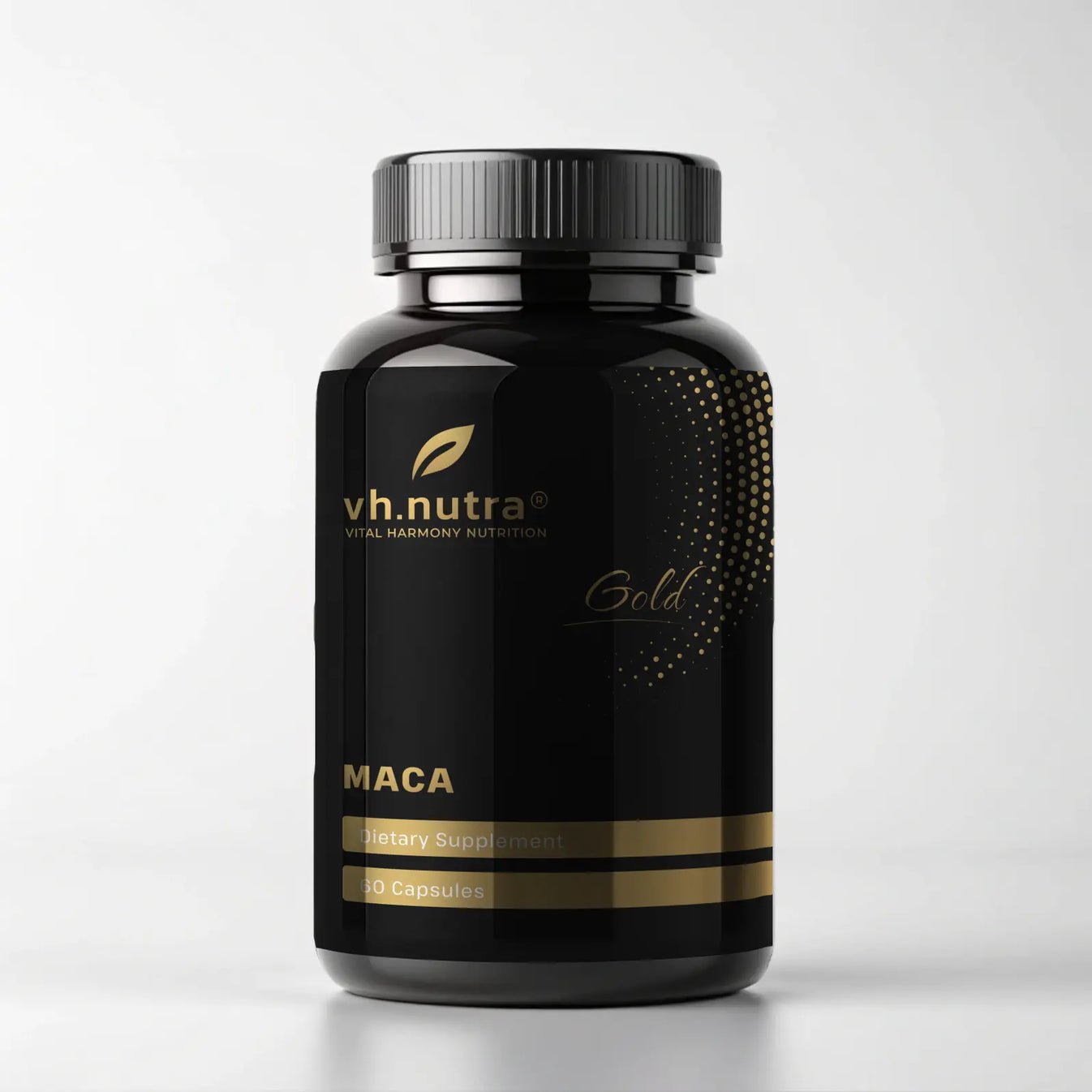
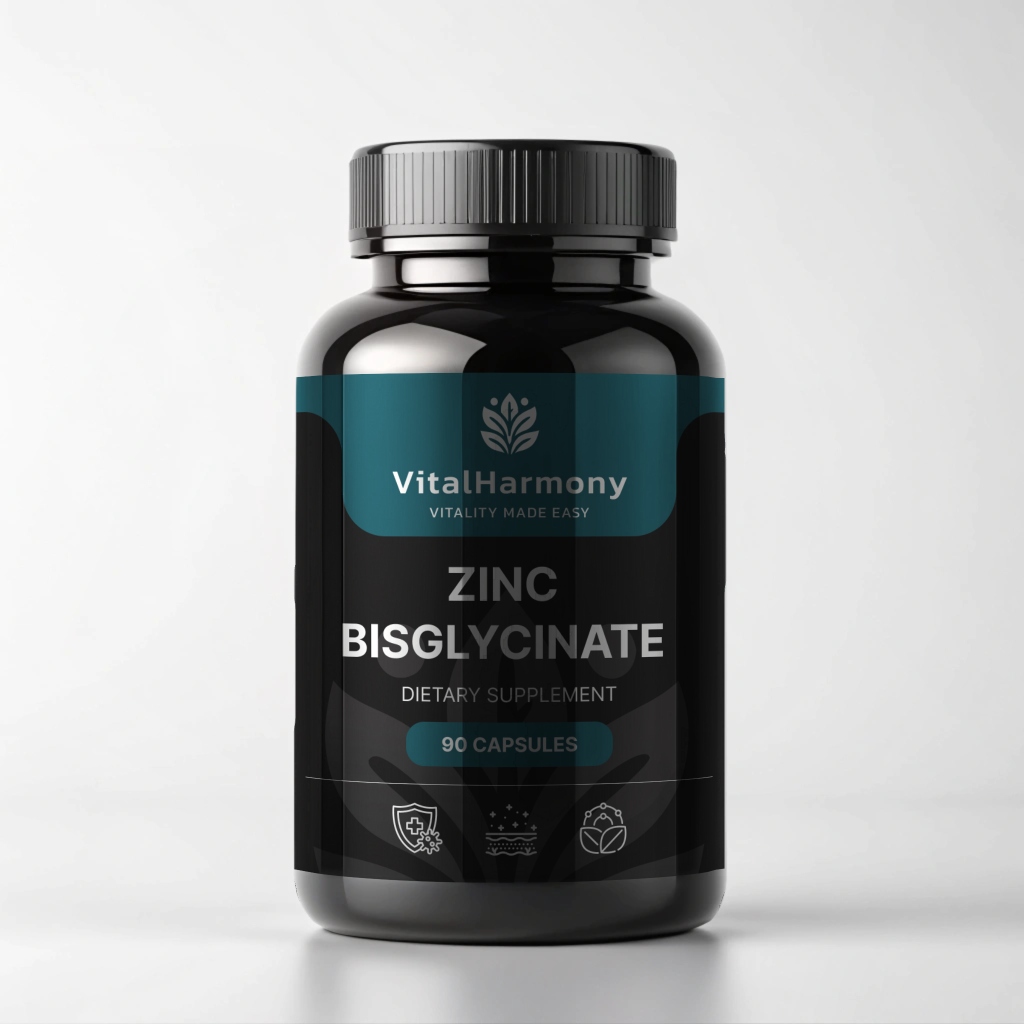
If you want to supplement your diet with targeted products, pay attention to Tribulus 500 mg – a herbal preparation for supporting vitality and men’s health. Zinc is most conveniently obtained in the easily absorbed bisglycinate form, because zinc bisglycinate is gentle on the stomach and well absorbed. For traditional energy support, maca – an Andean adaptogen used for centuries to boost vitality – is an excellent choice.
Disclaimer: This information is for educational purposes only. Before taking supplements, consult your doctor or pharmacist.
Related articles
- Tribulus – 7 benefits for vitality, sport and hormonal balance
- Maca benefits: 7 reasons to try the Andean adaptogen
- Zinc – 7 benefits for immunity, skin and health