Vitamin D is one of the most important vitamins for the human body, yet also one of the most commonly deficient. Although it is often called the “sunshine vitamin,” in reality, many people – especially those living in northern regions – do not get enough of it year-round.
In this article, we will discuss in detail what vitamin D is needed for, what is the health benefit of vitamin D, how it affects bones, immunity, muscles, and energy, and why more and more people are deciding to supplement it.
What is vitamin D and why is it so important?
Vitamin D is a fat-soluble vitamin that plays an important role in many bodily processes. Unlike most other vitamins, it can be produced by the body itself when the skin receives enough sunlight.
However, modern lifestyle, working indoors, limited time outdoors, and long dark seasons mean that vitamin D deficiency is very common.
Vitamin D is important not only for bones – it is involved in the functioning of the immune system, muscle function, nervous system processes, and may even affect well-being and energy levels.
The benefits of vitamin D for bones and teeth
One of the main and best-known functions of vitamin D is supporting the absorption of calcium and phosphorus. Without sufficient vitamin D, the body cannot effectively use these minerals, even if they are obtained from food.
Adequate vitamin D levels:
- help maintain bone strength;
- contribute to normal dental health;
- reduce the risk of bone thinning;
- important for older people and physically active individuals.
For those who exercise or are physically active, strong bones are especially important because they experience greater mechanical stress.
The importance of vitamin D for the immune system
Vitamin D contributes to the normal functioning of the immune system. It is involved in immune responses and helps the body maintain natural resistance.
With vitamin D deficiency, the following may be observed:
- more frequent colds;
- longer recovery after illnesses;
- general weakening of the body.
For this reason, vitamin D is often mentioned as an important substance during the cold season, when the body experiences greater strain.
Vitamin D and muscle function
Vitamin D is important not only for bones but also for normal muscle function. It participates in muscle contraction processes and the transmission of nerve impulses.
An adequate amount of vitamin D:
- helps maintain muscle strength;
- is important for physical performance;
- may contribute to faster recovery after physical exertion.
For this reason, vitamin D is particularly relevant for athletes, people doing physical work, or those leading an active lifestyle.
The influence of vitamin D on energy and well-being
Although vitamin D is not an energy substance, its deficiency is often associated with general fatigue, reduced work capacity, and lack of energy.
People who are deficient in vitamin D often notice:
- constant fatigue;
- reduced motivation;
- more difficult recovery after exertion.
This is especially relevant in autumn and winter, when natural vitamin D production in the skin is minimal.
Why is vitamin D deficiency so common?
Vitamin D deficiency usually occurs due to several main reasons:
- limited sun exposure;
- a long cold season;
- insufficient vitamin D in food;
- a sedentary lifestyle.
In Lithuania, a large part of the population cannot get enough vitamin D from sunlight alone, especially from autumn to spring.
How to get enough vitamin D?
Sunlight
The most natural source of vitamin D is the sun, but in our climate conditions, it is not sufficient all year round.
Food
Vitamin D is found in some products, but its amounts are often too small to meet the daily requirement.
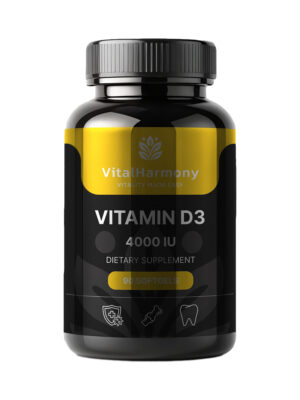
Vitamin D supplements
For these reasons, many people choose vitamin D supplements as a practical way to maintain its optimal level in the body.
Supplements allow:
- precise control of the amount consumed;
- maintaining a stable vitamin D level;
- adapting to individual needs.
When is it worth considering vitamin D supplementation?
Vitamin D supplementation may be considered if:
- little time is spent outdoors;
- frequent fatigue is felt;
- actively exercising or doing physical work;
- wanting to support the immune system;
- aiming for long-term bone and muscle health.
It is important to emphasize that supplements should not replace a balanced diet or a healthy lifestyle – they are an additional tool.
A natural solution for daily health
Vitamin D is one of the essential vitamins that contributes to:
- bone and dental health;
- muscle function;
- immune system support;
- overall well-being and energy.
For this reason, it is important both for those who exercise and for people simply taking care of their health.
Summary: key benefits of vitamin D
- Helps maintain strong bones and teeth
- Contributes to normal muscle function
- Supports the immune system
- May influence energy levels
- Especially relevant during the cold season