Iron is one of the most important minerals in your body, responsible for oxygen transport, energy production and a strong immune system. It is one of the most common mineral deficiencies worldwide, and its symptoms — fatigue, paleness and poor concentration — are often mistaken for everyday exhaustion. The good news is that a properly chosen iron supplement can quickly restore this mineral’s reserves and bring back your energy. In this article you will discover the 7 most important iron benefits and how to take it correctly.
Key Takeaways
- Iron — essential for the production of hemoglobin, which transports oxygen to every cell.
- Up to 30 % of people worldwide experience iron deficiency, most commonly women and athletes.
- Vitamin C can increase iron absorption several times over.
- A quality iron supplement, for example with a 79 mg dose, helps restore this mineral’s reserves faster.
Table of Contents
What Is Iron?
Iron is an essential trace element that the body cannot produce on its own, so it must be obtained from food or supplements. Most of this mineral is found in hemoglobin — a protein that transports oxygen from the lungs to all body tissues.
The adult human body contains about 3–4 grams of iron, and most of it is used daily for the production of red blood cells. When iron is lacking, the body can no longer produce enough hemoglobin, so cells receive less oxygen and an energy deficit begins to set in.
It is important to know that iron comes in two forms. Heme iron is found in meat and fish, while non-heme iron is found in spinach, lentils and beans. The former is absorbed far better, which is why vegetarians and vegans often need more of this mineral, and supplements become especially important.
The greatest risk of this trace element deficiency applies to pregnant women, active women, vegetarians and blood donors. These groups are often advised to have their blood checked regularly and, if needed, replenish their reserves with quality supplements to avoid an energy dip.
It is also important to understand that this mineral’s deficiency develops gradually — first the reserves run out, and later the hemoglobin level drops. You can find detailed, science-based recommendations in the National Institutes of Health iron overview.
1. Oxygen Transport and Hemoglobin Production
The main function of iron is the production of hemoglobin — a protein found in red blood cells. Hemoglobin binds oxygen in the lungs and carries it to every cell, and without a sufficient amount of this mineral the entire process slows down.
When the body lacks iron, red blood cells become fewer and carry less oxygen. That is why one of the first signs of this mineral’s deficiency is pale skin and constant fatigue, even after a good night’s sleep.
Hemoglobin production takes place constantly, because red blood cells live for only about 120 days and must be continually renewed. The body therefore needs a steady supply of iron every single day — without it, blood quality gradually deteriorates.
2. Energy Levels and Fighting Fatigue
Iron takes part in energy production because it helps carry oxygen to the mitochondria — the cellular “power plants” where energy is produced. When this mineral is lacking, the body simply cannot produce energy efficiently, so you feel sluggish and tired.
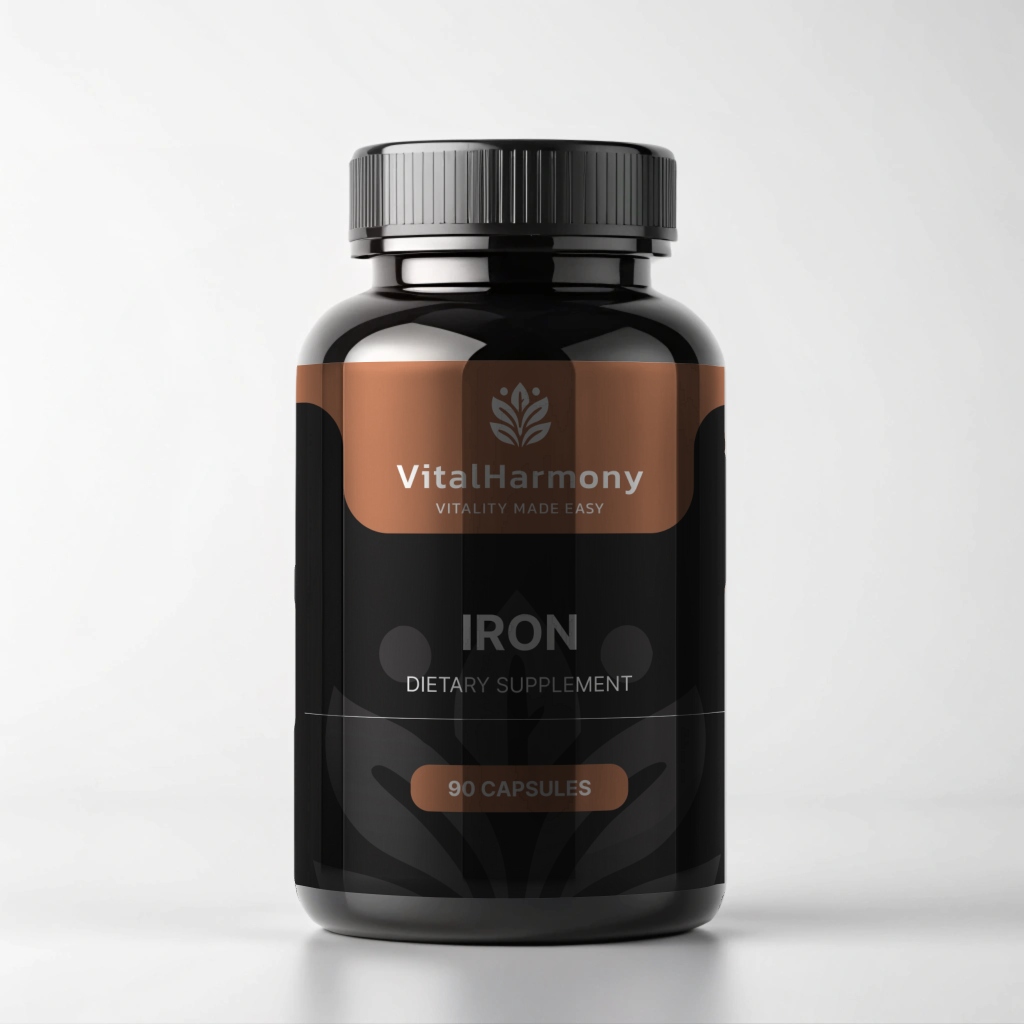
For this reason, iron supplements are often recommended for people who constantly feel tired for no clear reason. For example, VitalHarmony Iron 79 mg provides a concentrated dose of this mineral that helps maintain normal energy levels throughout the day.
This mineral deficiency is especially common in menstruating women, because blood — and along with it iron — is lost every month. That is why women are recommended a higher daily intake than men, and low energy in women is often linked first and foremost to this mineral.
Iron deficiency anemia is the most common nutritional deficiency condition in the world. It not only causes fatigue, but can also reduce productivity and quality of life, which is why the level of this mineral in the body deserves serious attention.
3. Immune System Support
Iron is important for the immune system because it is necessary for the growth and multiplication of lymphocytes — the white blood cells that fight infections. A sufficient amount of this mineral helps the body react faster to viruses and bacteria.
In addition, this mineral is needed by neutrophils — the white blood cells that are first to respond to an infection. When iron is lacking, the activity of these cells decreases, making the body more vulnerable and more susceptible to illness.
Therefore, people who lack this mineral get colds more often and recover more slowly. By replenishing iron reserves, the immune system works more smoothly and can defend the body more effectively all year round.
4. Cognitive Function and Concentration
The brain needs a lot of oxygen — although it makes up only about 2 % of body mass, it consumes about 20 % of all oxygen. Because iron helps carry oxygen to the brain, a deficiency of this mineral can show up as difficulty concentrating, memory gaps and “brain fog”.
Research shows that a sufficient amount of this mineral is linked to better cognitive function in both children and adults. In children and teenagers, iron deficiency can even affect learning outcomes, because brain development requires a steady supply of oxygen.
So if you feel that you have been finding it harder to focus lately or keep forgetting everyday things, it is worth checking this mineral’s reserves in your blood. Often, replenishing iron is enough to restore mental clarity without any other changes.
5. Muscle Function and Athletic Performance
Iron is especially important for athletes, because muscles need a constant supply of oxygen during intense training. When this mineral is lacking, muscles tire faster and endurance noticeably decreases.
Ferrum, as this mineral is called in Latin, is also a component of myoglobin — the protein that stores oxygen in muscles. Myoglobin ensures that muscles have oxygen reserves even when blood flow cannot keep up during heavy exertion.
Moreover, intense exercise increases the demand for iron, because sweating and the breakdown of red blood cells during training deplete this mineral’s reserves. Athletes, especially runners and endurance athletes, are often advised to monitor this mineral’s level in the blood regularly.
6. Healthy Skin, Hair and Nails
Iron takes part in cell division and the delivery of oxygen to tissues, so a deficiency can show up as dry, brittle hair, fragile nails and pale skin. These external signs are often the first signal that the body is lacking this mineral.
When iron is lacking, hair follicles receive less oxygen, so hair can start to thin and fall out. This problem is especially common in women with heavy periods or those following strict diets, when too little of this mineral comes from food.
Once iron reserves are restored, hair becomes stronger, nails break less and skin gains a healthier tone. This is yet another reason to maintain a sufficient daily amount of this mineral.
7. Supporting a Healthy Pregnancy
During pregnancy, the need for iron increases significantly, because this mineral is essential for blood production in both the mother and the growing baby. Due to increased blood volume, pregnant women often develop a deficiency of this mineral, so supplements become necessary.
Iron during pregnancy helps ensure a normal oxygen supply to the fetus and reduces the risk of premature birth. Together with folic acid, this mineral supports healthy blood formation, which is why both supplements are often recommended together.
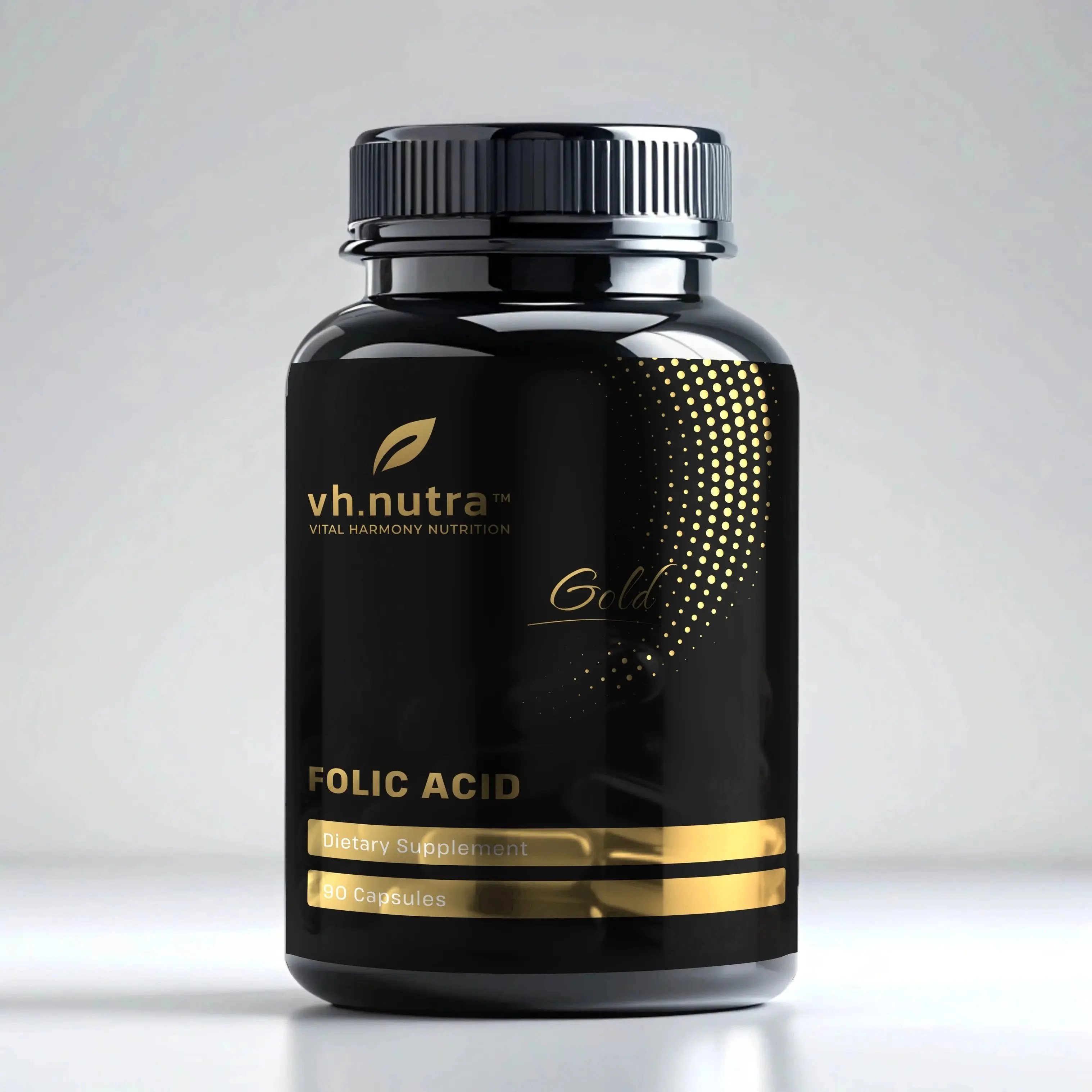
Pregnant women are often advised by doctors to take a higher iron dose than usual, because the growing baby needs a constant supply of oxygen. In the StayStrong range you can find both VitalHarmony Iron 79 mg and VH.Nutra Folic Acid to support a healthy pregnancy.
How to Take Iron?
The recommended daily iron intake for adult men is about 8 mg, and for women about 18 mg per day. However, with a confirmed deficiency, a doctor may recommend a higher dose to restore this mineral’s reserves more quickly.
It is best to take iron in the morning on an empty stomach or with vitamin C-rich food, which improves the absorption of this mineral. Avoid taking iron together with coffee, tea or dairy products — the tannins and calcium they contain can significantly reduce absorption.
The duration of use depends on the severity of the deficiency, but restoring reserves usually takes several months. The maximum safe dose for adults without medical supervision is usually no more than 45 mg per day. StayStrong offers VitalHarmony Iron 79 mg — a simple and effective way to replenish this mineral’s reserves.
The most important thing is to take this mineral regularly, because reserves are restored gradually, not in a single day. Have a blood test before starting supplements and again after a few months to make sure the dose is right for you.
Possible Side Effects
Iron supplements can cause digestive discomfort, nausea or constipation, especially at higher doses. These symptoms can often be reduced by taking this mineral with food or in smaller doses several times a day.
It is important not to exceed the recommended dose, because too much iron in the body can be just as harmful as a deficiency. People with hemochromatosis — a genetic condition in which the body stores too much of this mineral — should be especially careful.
Before starting any iron supplements, it is worth checking this mineral’s level in your blood. This will help you avoid unnecessary supplementation and ensure you are taking exactly the dose you need.
A good practice is to take this mineral together with vitamin C, which not only improves absorption but can also help reduce digestive discomfort. If symptoms still persist, talk to a pharmacist about a gentler, stomach-friendly form of iron.
Iron and Vitamin C — What You Should Know?
Vitamin C is one of iron’s best allies, because it converts this mineral into an easily absorbed form and can increase its absorption several times over. That is why iron is recommended to be taken together with vitamin C-rich foods or supplements.
This synergy is especially important for those who take plant-based iron, because the non-heme form is absorbed rather poorly without vitamin C. A glass of orange juice or a vitamin C supplement can significantly improve the absorption of this mineral from plant sources.
This is where VitalHarmony Vitamin C comes in handy — it not only strengthens immunity, but also helps absorb iron better. Read more about the benefits of this vitamin in the article about vitamin C.
Frequently Asked Questions
What is the recommended daily iron intake?
The recommended daily intake for women is about 18 mg, and for men about 8 mg. With a deficiency, a doctor may recommend a higher dose for up to several months.
When is the best time to take iron — morning or evening?
It is best to take this mineral in the morning on an empty stomach for the best absorption. If stomach discomfort occurs, take iron with a light meal.
Can iron cause constipation?
Yes, higher doses of this mineral can cause constipation. In that case, increase your fiber and water intake, and if needed, ask a pharmacist about a gentler form.
Which foods contain the most iron?
The best sources of this mineral are red meat, liver, spinach, lentils, beans and pumpkin seeds. Plant-based iron is worth combining with vitamin C for better absorption.
How to tell iron deficiency apart from ordinary fatigue?
If fatigue is accompanied by paleness, shortness of breath, brittle nails or heart palpitations, it is worth having a blood test. A confirmed iron deficiency can be corrected with a supplement such as VitalHarmony Iron 79 mg.
When choosing an iron supplement, pay attention to the dose, form and additional ingredients. Well-absorbed forms usually cause less digestive discomfort and restore this mineral’s reserves faster. Consistent use together with a balanced diet will help you maintain stable iron levels, healthy blood formation and energy all year round. You will achieve the best results by combining supplements with food rich in this mineral and regular blood checks.
Disclaimer: This information is for educational purposes only and cannot replace professional medical advice. Before starting any dietary supplements, be sure to consult a doctor or pharmacist.
Related Articles
- Vitamin B12: 7 Benefits for Energy, Brain and Nervous System
- Folic Acid: 7 Benefits for Blood Formation, Pregnancy and Energy
- 7 Signs of Iron Deficiency: How to Choose Iron Supplements