Table of Contents
At a glance:
- Protein for women helps maintain lean muscle mass and tone without encouraging bulky muscle growth.
- Protein needs increase with exercise, weight loss, pregnancy and with age.
- The best sources are whey protein, cottage cheese, eggs, fish, legumes and nuts.
Protein for women is a topic surrounded by many myths. More than a few women worry that protein powder will “blow up” their muscles or make their figure bulky, but in reality an adequate protein intake helps achieve exactly what is usually wanted: lean muscle tone, firm skin, long-lasting satiety and stable energy. In this article we will look at why protein for women is so important, how much of it you actually need and how to naturally include it in your daily diet.
Key Takeaways
- Protein for women is needed for lean muscle tone, not for big muscles.
- Active women often need 1.6–2.2 g of protein per kilogram of body weight per day.
- Adequate protein intake prolongs the feeling of fullness and makes weight control easier.
- Protein works best when combined with strength training – this way muscle mass is preserved while losing weight.
What Is Protein for Women?
Protein for women is not a separate product or a special “female” formula – it is simply an adequate and high-quality amount of protein tailored to the needs of the female body. Protein is a macronutrient made up of amino acids – the building blocks from which the body builds muscles, skin, hair, enzymes, hormones and immune cells. Unlike carbohydrates or fats, the body barely stores any protein, so it must be obtained from food every day.
Protein is important for the female body for several reasons. First, it helps maintain muscle mass, which naturally decreases with age – after the age of 30, women can lose 3–8% of their muscle mass per decade if they do not actively maintain it. Second, protein takes part in hormone production and strengthens the immune system. In addition, women more often than men follow calorie deficits or avoid certain food groups, so protein can be lacking even without it being noticeable – over time such a deficiency shows up as fatigue, hair loss and slower recovery after exercise.
It is worth knowing that protein quality differs. Animal-based proteins – whey, eggs, meat – are “complete”, because they contain all nine essential amino acids that the body cannot produce on its own. Plant-based sources are often incomplete, so it is worth combining them – for example, legumes with grains – in order to get the full amino acid profile.
Muscle Tone Without Excess Bulk
One of the biggest fears that makes women avoid protein supplements is “bulking up” like a bodybuilder. In reality, the female body has about ten times less testosterone – the hormone responsible for large muscle mass – than the male body, so muscles simply cannot physically grow to a “masculine” size from protein alone. To achieve such changes, you would need many years of an extremely hard and specific training regimen.
Protein for women does the opposite – it supports lean, defined muscle mass. Muscles are a metabolically active tissue: the more of them you have, the more calories your body burns even at rest. This means that an adequate protein intake, combined with strength training, helps shape a firmer and more graceful figure rather than increasing bulk.
Satiety and Weight Control
Protein is the most satiating member of the macronutrient group. Studies consistently show that a higher amount of protein in the diet suppresses hunger for longer and reduces the desire to snack between meals. This is especially relevant for women who want to control their weight without strict diets and a constant feeling of hunger.
There is also a second, lesser-known reason: protein has a higher thermic effect. When digesting protein, the body burns about 20–30% of its calories, while for carbohydrates this figure is only 5–10%. In addition, eating more protein helps the body preserve muscle mass during a calorie deficit – which means that when losing weight, fat is burned rather than muscle.
In practice, this means that protein-rich breakfasts – eggs, cottage cheese or a protein shake – can reduce the total number of calories consumed during the day without conscious restriction. Women who choose more protein at breakfast often notice that hunger does not strike until lunch and the urge to snack on sweets noticeably decreases.
Skin, Hair and Nail Beauty
Hair, skin and nails are essentially protein structures – keratin and collagen. When the body lacks protein, the beauty area is the first to be “rationed”: hair starts to fall out, nails become brittle and skin loses elasticity. This is one of the most common reasons why women notice a worse appearance after drastic diets – not because of the diet itself, but because of the protein shortage.
Collagen, which forms the basis of the skin’s structure, is a protein. Although the body can synthesize it on its own, this requires a constant supply of amino acids – primarily glycine and proline. By combining quality protein with vitamin C, which is necessary for collagen production, you can support skin firmness, hair shine and nail strength. Read more about the benefits of collagen in our article about collagen for skin, joints and beauty.
Specific amino acids play a special role here. Cysteine, which is abundant in whey protein, is a component of keratin – the main protein of hair and nails – while lysine contributes to collagen synthesis. From a beauty point of view, it is not only how much protein you consume that matters, but also its quality.
Energy and Less Fatigue
Constant fatigue does not always mean a lack of sleep – it is often caused by an insufficient amount of protein. Protein supports a stable blood sugar level, because it slows down the absorption of carbohydrates, so after a meal energy drops more gently, without sharp spikes and crashes. In addition, protein takes part in the production of hemoglobin – the protein that carries oxygen to the tissues.
For women who feel tired in the afternoon or right after a meal, a simple rule often helps: include 20–30 g of protein in every meal. This approach helps maintain a steady energy level throughout the day and reduces the urge to reach for sweets as a quick “energy shot”.
In addition, protein helps reduce the fatigue caused by blood sugar fluctuations. When you eat protein-rich food, glucose enters the bloodstream more evenly, so you avoid the afternoon “energy dip” and the sudden urge to grab coffee or sweets.
Hormonal Balance and Well-Being
Protein is the building material of hormones, so an adequate amount of it directly contributes to hormonal balance. This is especially important for women, because the female cycle, mood and sleep are closely linked to hormone activity. For example, the amino acid tryptophan, obtained from protein, is the precursor of serotonin – the “happiness hormone”.
When protein is lacking, the body may start “saving” and slow down the reproductive and metabolic systems, which shows up as mood swings, poorer sleep and reduced motivation. Consistent protein intake helps maintain stable well-being and better recovery even during an intense pace of life.
A protein deficiency can also increase cravings for carbohydrates – the body tries to compensate for the shortage of energy and building materials more quickly. By including 20–30 g of protein in every meal, this craving often decreases on its own and mood becomes more stable.
Bone Health
Bone health is especially relevant for women, because after menopause bone density starts to decrease rapidly – the risk of osteoporosis rises. Although bone strength is primarily associated with calcium and vitamin D, protein occupies no less important a place in this equation: collagen forms the structural “frame” of the bone into which minerals settle.
Studies show that older women who consume more protein have higher bone density and a lower risk of hip fractures. The most important thing is to get enough protein together with calcium and vitamin D, because these elements work synergistically.
Therefore women, especially after the age of 40, are recommended not only to monitor calcium and vitamin D intake, but also to ensure an adequate protein intake. All three components together work much more effectively than any one of them separately.
Recovery After Exercise
After any physical activity – strength training, running or yoga – microscopic damage appears in the muscle fibers, which the body repairs precisely with the help of protein amino acids. If protein is lacking, recovery takes longer, muscles hurt more often and progress slows down.
For women who exercise 3–4 times a week, it is important not only the total daily amount of protein, but also its distribution. It is best to consume 20–30 g of protein within 1–2 hours after training – this helps switch on the muscle recovery process and reduce next-day soreness. Read more about protein amounts in the article how much protein you need per day.
In addition, protein helps preserve muscle mass when exercise is combined with a calorie deficit. This is important, because it is precisely muscle mass that determines a graceful, defined figure and a higher basal metabolic rate – the body burns more energy even at rest.
How to Take Protein for Women?
Taking protein does not have to be complicated – the most important things are consistency and the right amount. Here are the main guidelines that will help you get the most out of protein:
- Dosage. For a moderately active woman, 1.2–1.6 g of protein per kilogram of body weight is recommended, while for an intensively training or dieting woman – 1.6–2.2 g. For example, for a woman weighing 65 kg, this amounts to about 78–104 g of protein per day.
- Timing. Spread protein evenly throughout the day at 20–30 g per meal, and consume one serving within 1–2 hours after training.
- Duration. Protein is not a “course” measure – it is needed daily, continuously, like any other food component.
- Maximum dose. For a healthy body, up to 2.2 g/kg per day is safe, but if you have kidney disease, you must consult a doctor before increasing protein intake.
Side Effects and Precautions
For healthy women, protein is generally safe and well tolerated. The most common discomfort – bloating or digestive upset – usually comes not from the protein itself, but from the lactose found in whey concentrate, or from increasing the serving too quickly. In such cases, lactose-free isolates or plant-based proteins help.
Women with kidney disease should use protein cautiously – a higher protein amount may be an additional burden for them, so a doctor’s consultation is essential. It is also worth remembering that protein should supplement the diet rather than replace a complete diet – vegetables, fruit and healthy fats remain no less important.
Diet: Natural Protein Sources
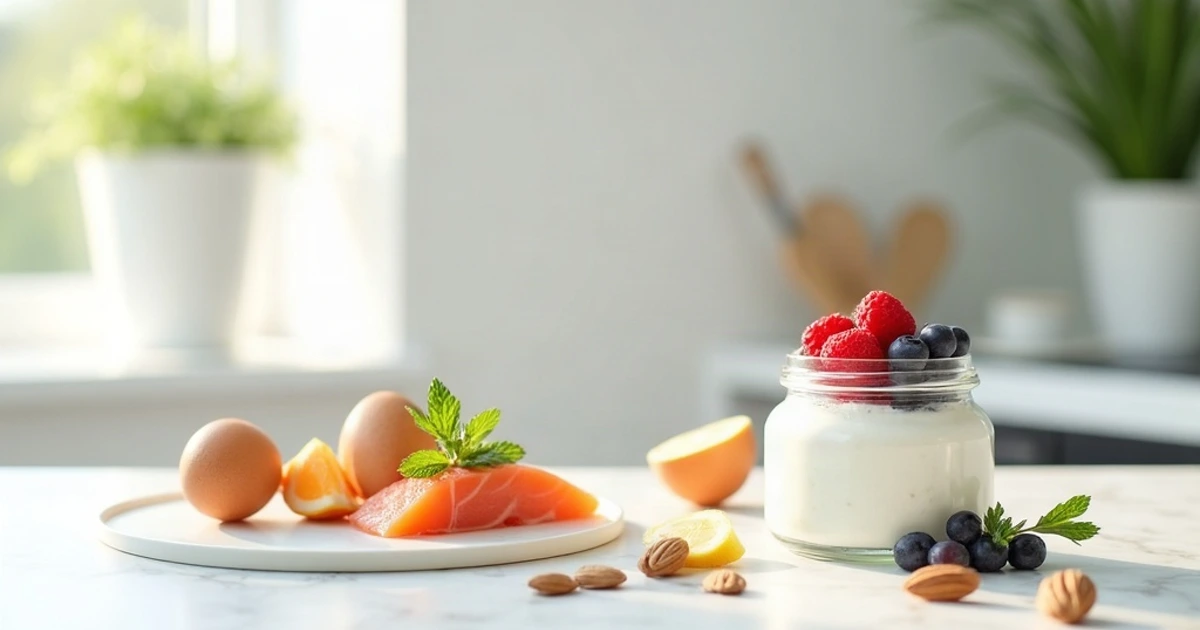
Protein powder is a convenient but not the only solution – a lot of protein can be obtained from ordinary foods. Include these sources in your daily menu:
- Cottage cheese and Greek yogurt – about 10–20 g of protein per serving.
- Eggs – one large egg contains about 6 g of protein.
- Fish (salmon, tuna) – 20–25 g of protein per 100 g.
- Chicken and turkey – about 25–30 g of protein per 100 g.
- Legumes (lentils, chickpeas) and tofu – excellent plant-based sources.
According to Harvard nutrition scientists, the variety of protein sources matters more than the amount alone – combining animal and plant proteins provides a complete amino acid profile. Find more science-based information in the Harvard nutrition source about protein.
FAQ: Frequently Asked Questions
Does protein for women increase muscle mass? Not in the way it is often imagined. Due to the low level of testosterone, the female body cannot grow large muscle bulk from protein alone – it helps maintain lean, firm mass.
When is the best time to drink a protein shake? The most universal time is after training or in the morning for breakfast. The important thing is not the exact time, but the total amount consumed during the day.
Is protein suitable for weight loss? Yes, it is especially useful when losing weight: it prolongs the feeling of fullness, protects muscle mass during a calorie deficit and helps maintain a stable energy level.
Can you get enough protein from food alone? Yes, if the diet is varied and protein sources are included in every meal. Powders are just a convenient supplement when you cannot gather the amount from food.
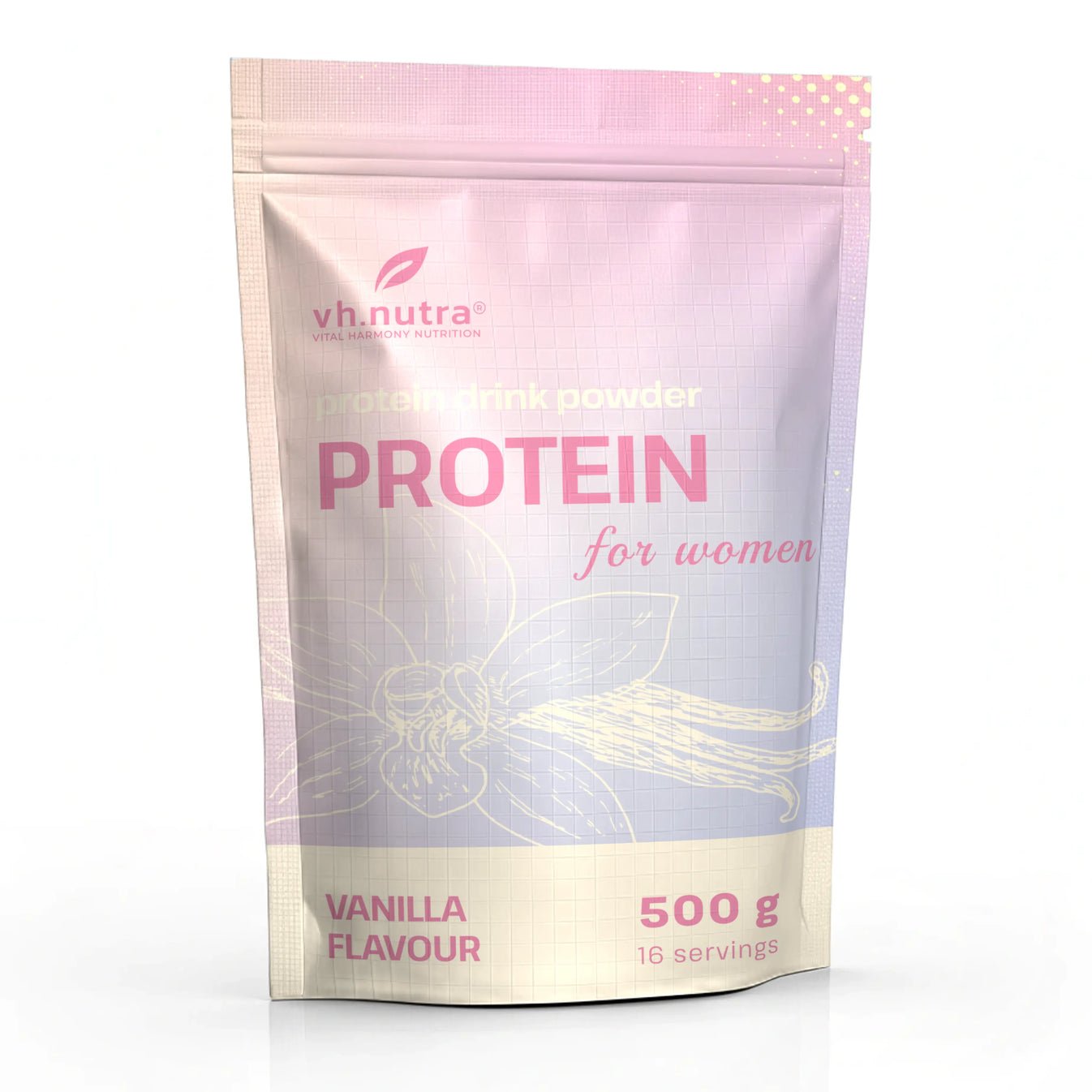
If you are looking for a convenient solution, pay attention to VH.Nutra Protein for Women – a protein blend enriched with vitamins, zinc, biotin and hyaluronic acid. This is a balanced choice for those who want to combine the benefits of protein with beauty ingredients in one product.
Disclaimer: This information is for educational purposes only. Before starting any supplements, consult your doctor or pharmacist.
Related Articles
- How much protein do you need per day?
- Protein – 7 benefits for muscles, recovery and health
- Collagen – 7 benefits for skin, joints and beauty