MSM (methylsulfonylmethane) is a natural organic sulfur compound that is increasingly mentioned when talking about joint, skin and muscle recovery. Sulfur is the third most abundant mineral in the human body, and MSM is one of the most convenient forms of it that the body can easily absorb. If you feel joint stiffness, notice duller skin or take longer to recover after workouts – MSM may be a supplement worth your attention.
Key Takeaways
- MSM is a natural source of organic sulfur that supports the structure of cartilage, ligaments, skin and hair.
- Main benefits – joint comfort, skin elasticity, stronger hair and nails and faster muscle recovery after exercise.
- Safe dosage – typically 1,500–3,000 mg per day is recommended, best taken with food and started at a lower dose.
Table of Contents
What Is MSM?
MSM, or methylsulfonylmethane, is a sulfur-containing compound found naturally in some plants, in milk and even in the human body. Sulfur is involved in many bodily processes – from the formation of proteins and connective tissue to enzyme activity and antioxidant protection. The body uses sulfur to maintain the structure of cartilage, ligaments, skin, hair and nails, so a deficiency can show up in various ways.
MSM became popular as a supplement due to its ability to supply the body with readily available sulfur. Unlike other sulfur sources, MSM is highly water-soluble and easily absorbed. Supplements are made from a purified compound, usually produced by chemical synthesis, which is identical to the substance found in nature.
The importance of sulfur to the body is hard to overstate – it is needed for the structure of collagen, keratin and glutathione, the proteins responsible for skin firmness, hair and nail strength and protection of cells from oxidative damage. Although enough sulfur can be obtained from food, an active lifestyle, sports or certain dietary habits can increase the need for this substance.
Scientific research has mainly examined the effect of MSM on joint health and muscle recovery. In one clinical study published in the PubMed database, MSM intake was associated with reduced joint pain and improved mobility. It is one of the most frequently cited works on the benefits of this compound for joints.
1. Supports Joint Health
Joint cartilage and tendons contain many sulfur-bearing proteins, so an adequate supply of sulfur is essential for their normal structure and function. MSM provides the sulfur needed for the renewal of cartilage and connective tissue, which helps maintain joint flexibility and comfort in everyday activity.
For people who exercise regularly or move a lot, joints are under greater load, so the need for sulfur may be higher. MSM supplementation helps ensure the body has enough of this substance to support cartilage and ligaments – especially during periods of intense activity.
Cartilage has no blood vessels of its own, so nutrients reach it through the synovial fluid. This means cartilage renews more slowly than other tissues, and an adequate supply of building materials – including sulfur – becomes especially important for long-term joint health.
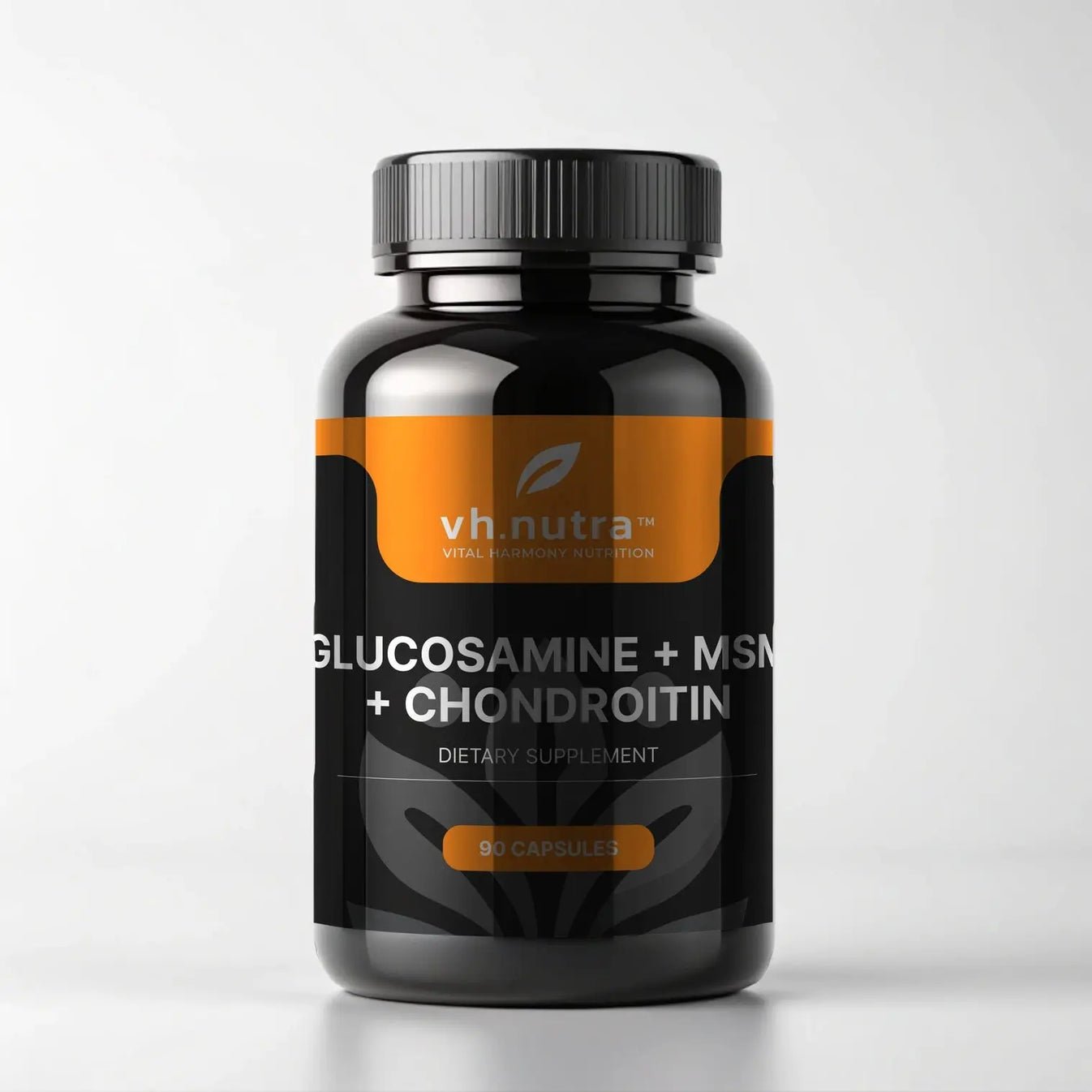
🛒 VH.Nutra Glucosamine + MSM + Chondroitin — 8,99 € – a three-component joint complex combining MSM with glucosamine and chondroitin. Read more about how these substances work in our article on glucosamine.
2. Reduces Joint Pain and Inflammation
One of the most frequently studied properties of MSM is its ability to contribute to the regulation of inflammatory processes. Inflammation is a natural reaction of the body to damage or strain, but long-term joint inflammation can cause pain and reduce mobility. By supplying sulfur, MSM can help maintain a normal inflammatory response and reduce joint discomfort.
Studies show that in people who took MSM, joint pain and stiffness decreased gradually, and the effect usually appeared after several weeks of continuous use. It is not a fast-acting substance – the best results are achieved by taking it consistently over a longer period.
3. Improves Skin Elasticity
Skin is made of collagen and elastin – proteins whose structure requires sulfur. Sulfur bonds help these proteins keep their proper shape and elasticity, so an adequate amount of MSM can contribute to firmer, more elastic skin. With age, collagen production slows down and sulfur stores decrease – supporting these processes becomes important for more mature skin.
MSM is often combined with collagen because these two substances work together: collagen provides the building material, while sulfur helps bind it properly. This combination can be useful for those who want to support the beauty and youthful appearance of their skin from within.
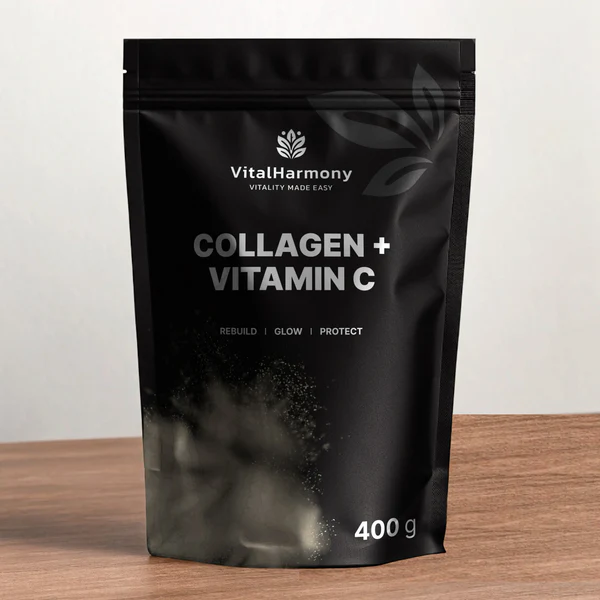
🛒 VH.Nutra Collagen + Vitamin C — 11,49 € – hydrolyzed collagen with vitamin C, which pairs perfectly with MSM for supporting skin elasticity. Read more about the benefits of collagen in our article on collagen.
4. Strengthens Hair and Nails
Hair and nails are made of keratin – a protein particularly rich in sulfur. It is the sulfur bonds that give keratin its strength and resistance to breaking. When the body lacks sulfur, hair can become weaker and duller, and nails can become brittle and splitting.
MSM supplementation can help supply hair follicles and nail plates with the sulfur they need, so they grow stronger and healthier. Many people combine MSM with biotin and collagen to support the whole beauty complex – skin, hair and nails at once – from within.
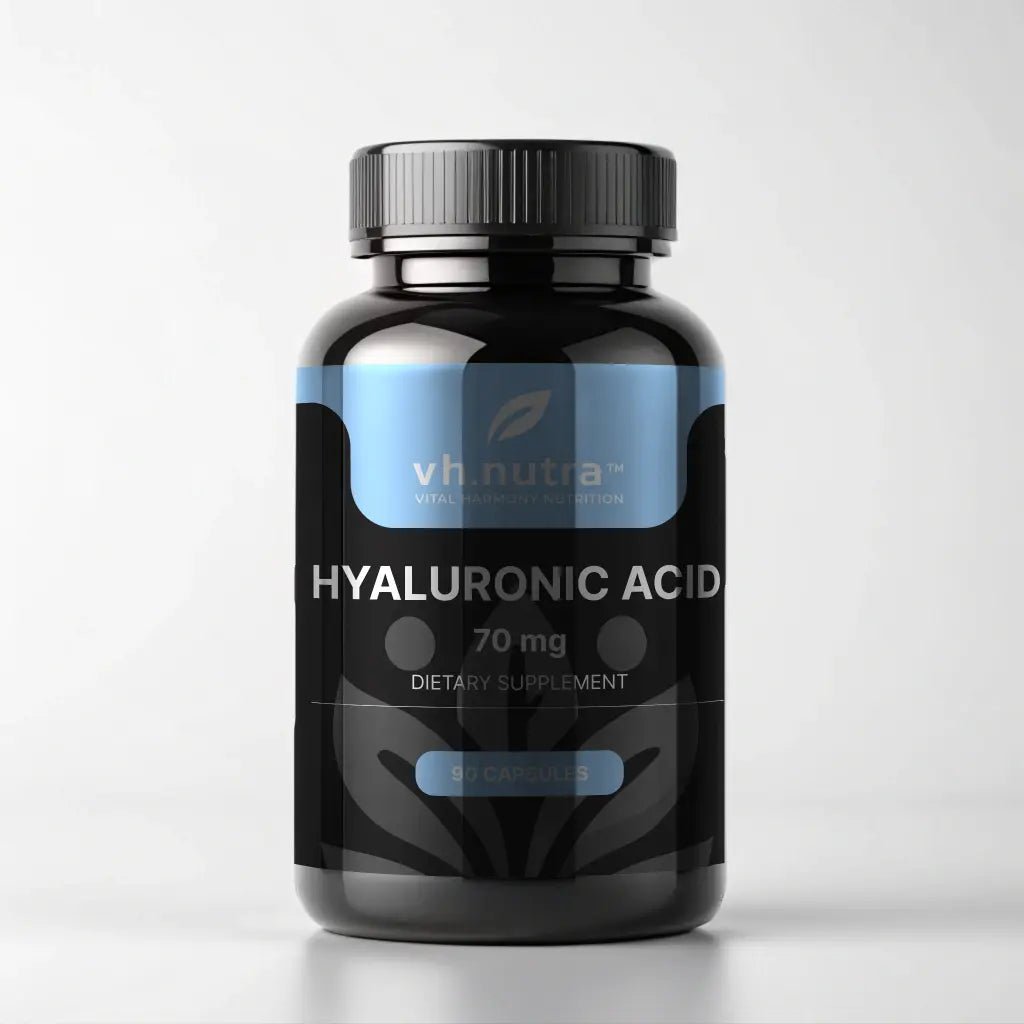
🛒 VH.Nutra Hyaluronic Acid — 6,58 € – a supplement for skin hydration that, together with MSM, helps support the health of skin, hair and nails. Read more in our article on hyaluronic acid.
5. Speeds Up Muscle Recovery After Exercise
Intense training causes micro-damage in muscles, and the recovery process requires a lot of building materials – including sulfur. MSM helps supply muscles with the needed substances after exertion and can reduce muscle soreness and speed up recovery between workouts.
Studies have shown that in athletes who took MSM, muscle soreness after training was lower and strength recovery was faster. This is relevant both for strength athletes and for those who simply want to feel better after intense physical activity.
In practice, this means MSM can be a useful tool for both professionals and amateurs who train several times a week and want to maintain a high workload without a long recovery period. Combined with adequate protein intake and quality sleep, MSM makes the recovery process consistent and efficient.
6. Supports Antioxidant Protection
Sulfur is important for the production of glutathione – one of the body’s main antioxidants. Glutathione protects cells from oxidative damage caused by stress, pollution, poor diet and intense physical activity. By supplying sulfur, MSM can contribute to maintaining glutathione stores and thus strengthen the body’s natural defense.
Strong antioxidant protection is important not only for overall well-being but also for the health of skin and joints – oxidative damage is one of the factors of aging and tissue wear. In this sense, MSM works indirectly by helping the body produce its own protective substances. Read more about the importance of antioxidants in our article on vitamin C.
7. Strengthens Cartilage and Ligaments
Cartilage is the smooth tissue that covers joint bones and allows them to glide without friction, while ligaments connect bones and stabilize joints. Both of these tissues are rich in collagen and other sulfur-bearing proteins, so sulfur is needed for their renewal and strength.
MSM helps supply these tissues with the sulfur they need, which is important not only for older people but also for athletes whose ligaments are under constant strain. Stronger ligaments and healthier cartilage mean a lower risk of injury and better joint mobility in the long run.
How to Take MSM?
The most commonly recommended daily dose of MSM is 1,500 to 3,000 mg, and in some cases up to 6,000 mg per day is used, divided into several parts. It is best to start with a lower dose – for example, 1,000–1,500 mg per day – and gradually increase it while observing how your body reacts.
MSM is best taken with food, as this helps reduce possible stomach discomfort. Some people split the daily dose into two parts – morning and evening. A noticeable effect on joints or skin usually takes from several weeks to several months of continuous use, so consistency matters most.
The maximum safe dose is usually stated as 6,000 mg per day, but doses above 3,000 mg should not be taken without a doctor’s or pharmacist’s recommendation. Pregnant and breastfeeding women and people taking medication should consult a specialist before starting MSM.
Possible Side Effects
MSM is generally well tolerated, and most studies confirm that it is considered safe when taken at recommended doses. The most common side effects are mild and usually related to the digestive system – bloating, gas or slight stomach discomfort, which can usually be avoided by taking the supplement with food.
In rare cases, headache or skin reactions may occur. If you notice unusual symptoms, reduce the dose or stop taking it and consult a doctor. MSM is not intended to diagnose, treat or prevent diseases – it is a food supplement that complements a balanced diet.
MSM and a Healthy Diet — What to Know?
Sulfur is naturally obtained from food – most of it is found in garlic, onions, broccoli, Brussels sprouts, eggs, milk and legumes. However, it is important to know that heat treatment and long storage can reduce the MSM content in products, so getting higher doses of sulfur from food alone can be difficult.
The list of foods richest in sulfur includes garlic, onions, leeks, chives, cabbage, broccoli, Brussels sprouts, asparagus, eggs, milk and legumes. By including these products in your daily diet, you will get sulfur naturally, and a supplement may only be needed when the need is higher or the diet is less varied.
An MSM supplement is a convenient way to ensure a stable amount of this substance, especially for those who exercise actively, want to support joint health or care about their skin. Nevertheless, a supplement should not replace a varied diet – garlic, onions and green vegetables also contain other beneficial compounds that no supplement can provide.
Frequently Asked Questions
What is MSM and where does it come from?
MSM, or methylsulfonylmethane, is a sulfur-containing compound found naturally in some plants, in milk and in the human body. For supplements, it is produced by chemical synthesis and is identical to the natural substance.
When is the best time to take MSM?
MSM is best taken with food to reduce the risk of stomach discomfort. The daily dose can be taken all at once or split into two parts – morning and evening. The exact timing is not critical; consistency matters most.
How long does MSM take to work?
MSM is not a fast-acting substance. Noticeable results for joints, skin or hair usually take from several weeks to several months of continuous use. Results depend on the dose, individual body characteristics and lifestyle.
Can MSM be taken with other supplements?
Yes, MSM combines well with glucosamine, chondroitin, collagen and hyaluronic acid – these compounds are often used together to support joints and skin. When taking several supplements, it is worth consulting a specialist about the right combination of doses.
Does MSM have side effects?
MSM is generally well tolerated. In rare cases, mild digestive discomfort, bloating or headache may occur, which can usually be avoided by taking the supplement with food and not exceeding the recommended dose.
What daily dose of MSM is safe?
The most commonly recommended dose is 1,500–3,000 mg per day, and the maximum safe dose is stated as up to 6,000 mg. It is best to start with a lower dose and gradually increase it. Higher doses should only be taken after consulting a doctor.
Disclaimer: This information is for educational purposes only and cannot replace professional medical advice. Before starting to take any food supplements, be sure to consult a doctor or pharmacist.
Related Articles
- Glucosamine: 7 Benefits for Joints, Mobility and Health
- Collagen: 7 Benefits for Skin, Joints and Beauty
- Hyaluronic Acid: 7 Benefits for Skin, Joints and Beauty