Matcha is a powder made from shade-grown green tea leaves that are finely ground on stone mills. Unlike regular tea, these green powder leaves are dissolved in water and consumed whole, so the body receives several times more antioxidants, L-theanine and natural caffeine. In this article we review the 7 most important matcha benefits for health, explain how to use these green powder correctly, and what to look for when choosing a quality product.
Key Takeaways
- Matcha — contains up to 137 times more EGCG antioxidants than regular green tea.
- Calm energy — the combination of L-theanine and caffeine provides focus without jitters or a sudden energy crash.
- Antioxidant protection — catechins protect cells from oxidative stress and support heart and skin health.
- How to use — 1–2 servings per day, preferably in the morning or first half of the day, not late in the evening because of caffeine.
Contents
What Is Matcha?
Matcha is a special type of green tea that is grown in the shade for the last three to four weeks before harvest. This traditional Japanese growing method forces the leaves to produce more chlorophyll and amino acids, especially L-theanine, which gives the tea a mild, slightly sweet taste and a bright green color.
After harvesting, the leaves are steamed, dried and slowly ground into a very fine powder using stone mills. Thanks to this gentle process, green tea retains more nutrients than regular teas, whose leaves are often cut or crushed by high-speed machines.
The most important difference lies in how it is consumed. The leaves of regular tea are steeped and discarded, while the green powder is dissolved in water and consumed whole. Therefore this drink delivers the entire content of the leaf to the body — vitamins, minerals, catechins and chlorophyll, some of which would otherwise remain unused in the tea leaves.
Matcha is divided into several grades according to quality. Ceremonial-grade powder is intended for the traditional tea ritual, while culinary-grade powder is used for smoothies, desserts and baking. When choosing a supplement, it is worth paying attention to the country of origin and color, because high-quality powder is bright green.
The difference between matcha and regular green tea is essentially concentration. A single cup of this drink contains about as many nutrients as several cups of ordinary green tea, which is why it is considered a more efficient way to obtain catechins and L-theanine.
7 Matcha Benefits for Health
Consumed regularly, this green drink can help support many of the body’s functions. Here are the seven most important benefits worth knowing before adding it to your daily routine.
1. Calm Energy Without Jitters
Green tea matcha provides gentle, long-lasting energy that differs noticeably from the sudden spike caused by coffee. Here it is important to understand that in this drink caffeine works together with L-theanine — an amino acid that promotes relaxation and calm focus.
L-theanine slows the absorption of caffeine, so energy is released gradually and lasts for several hours without a sudden crash. For this reason, green powder is often chosen as an alternative to coffee when you want to stay alert without anxiety or trembling hands.
This property is especially valuable in a morning routine. Instead of a third cup of coffee in the afternoon, this drink helps maintain an even energy level until the evening without causing the sleep disturbances that often accompany late caffeine intake.
2. Powerful Antioxidant Protection
This green drink is famous for its exceptionally high antioxidant content, especially the catechin EGCG. Research shows that one serving can contain up to 137 times more EGCG than an ordinary cup of green tea, because you consume the whole leaf rather than just its infusion.
Antioxidants neutralize free radicals that damage cells and accelerate aging. By consuming green powder regularly, the body receives constant protection against oxidative stress, which is caused daily by environmental pollution, stress and poor diet.
The benefits of catechins have been widely studied in scientific research. More about the effects of green tea on health can be found in the NCCIH green tea review.
For comparison, a single serving of this drink can contain more antioxidants than a serving of blueberries or dark chocolate. It is precisely because of this concentration that green powder is so valued by enthusiasts of antioxidant protection.
3. Supports Heart and Blood Vessel Health
Catechins, which are abundant in this drink, are linked to better heart and blood vessel health. These compounds help maintain normal cholesterol levels in the blood and protect blood vessel walls from inflammatory processes.
However, it is important to emphasize that green tea is not a medicine. It works as part of a healthy diet — the best results are seen when it is combined with a balanced diet, adequate sleep and regular physical activity.
Some observational studies link regular green tea consumption with a lower risk of heart and blood vessel disease. Still, these results are achieved by drinking tea consistently over a long period, so you should not expect rapid changes within a few weeks.
4. Improves Focus and Attention
This drink is often called meditation tea, because Japanese monks used it during long hours of meditation. This tradition is based on a real effect: L-theanine increases alpha wave activity in the brain, which is associated with calm yet alert attention.
Therefore green powder suits those who do mental work, study or prepare for exams. Unlike caffeine alone, this drink improves focus without excessive stimulation, so thoughts remain clear and calm throughout the working day.
In addition, regular consumption of this drink can help maintain better attention for longer, compared to sugar-sweetened energy drinks that cause a rapid rise and an even faster energy crash.
For many, this state of calm focus is the main reason to choose green tea matcha instead of coffee before important tasks, negotiations or exams.
5. Helps Maintain a Healthy Metabolism
Green tea catechins can slightly increase energy expenditure and promote fat metabolism. As a concentrated form of green tea, this drink provides these compounds in higher doses than an ordinary cup of tea.
However, it is important to be honest here: green powder is not a miracle weight-loss product. It works best as part of a healthy routine, when combined with exercise and a balanced diet, rather than as the only solution for achieving results.
What is more, this drink pairs well with an active lifestyle. Many athletes and active people choose green tea before a workout because it provides a gentle energy boost without a feeling of heaviness in the stomach.
6. Cares for Skin Health and Beauty
Its antioxidant power is also beneficial for the skin. Catechins help protect the skin from oxidative stress caused by ultraviolet radiation and can contribute to maintaining skin elasticity.
In addition, chlorophyll, which gives the green powder its bright color, helps the body eliminate toxins. The internal detoxification process is often reflected on the outside — in fresher, healthier-looking skin, which is why this drink is also valued in beauty routines.
Although there is still limited research on a direct effect on the skin, antioxidant protection from within is considered one of the natural ways to maintain skin health as we age. For this reason, green tea is often mentioned among daily habits that support beauty.
7. Supports Liver Function
The liver is the body’s main filter, so it needs constant protection. Research shows that green tea catechins can help protect liver cells from damage and maintain normal liver enzyme levels in the blood.
Still, this drink should be consumed in moderation. Very high doses of concentrated extracts can burden the liver, so it is recommended to stick to normal portions and choose quality powder rather than concentrates of questionable origin.
Moderation is also important for liver health. By combining this drink with a healthy diet and limiting alcohol, the liver gets better conditions to perform its detoxification function.
How to Use Matcha?
The recommended daily dose is 1–2 servings, that is about 1–2 teaspoons of powder or 500–1000 mg. If you take capsules, follow the dose indicated on the package and do not exceed the recommended amount.
This drink is sold in several forms: traditional powder that is whisked with a bamboo whisk, and more convenient capsules that simply need to be taken with water. Capsules are especially convenient when traveling or at work, when there is no possibility to prepare a drink.
It is best to consume this drink in the morning or the first half of the day, because its caffeine can disrupt sleep quality in the evening. The powder can be dissolved in hot water, milk or a plant-based drink, and on a warm day it can be blended into a smoothie.
The course of use can be long-term, because green tea does not strictly require a break. Nevertheless, about 2–3 servings is considered the maximum safe daily dose, so it is not recommended to exceed this amount, especially for people sensitive to caffeine.
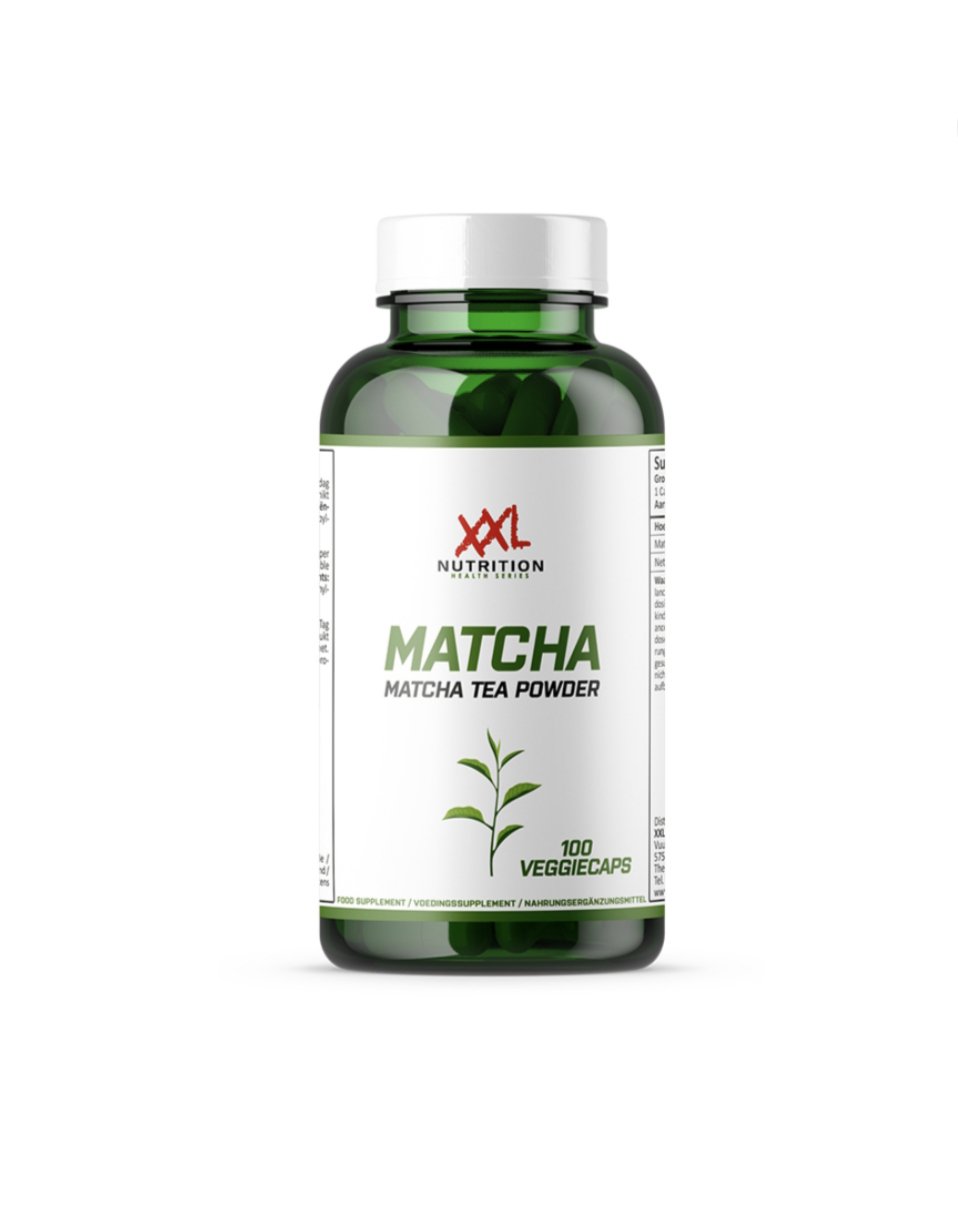
If you are looking for a convenient option, quality matcha tea powder in capsules allows precise dosing and avoids the ritual of preparing powder, while preserving the full power of the leaf — antioxidants, L-theanine and natural caffeine.
Consistency matters most. A single drink will not bring great benefit, while regular consumption allows the body to maintain a stable level of antioxidants and L-theanine, which is what produces a noticeable effect on well-being.
Possible Side Effects
This drink is generally safe when consumed in recommended doses. The most common side effect is related to caffeine — sensitive people may experience anxiety, insomnia or a faster heart rate if it is consumed too much or too late in the evening.
Green tea also contains tannins, which can irritate a sensitive stomach, especially when taken on an empty stomach. Pregnant and breastfeeding women are advised to limit caffeine intake, so it is worth consulting a doctor before adding this drink to the diet.
In rare cases, people can be sensitive to green tea and feel stomach discomfort or headache. If you notice unusual symptoms, reduce the dose or stop consumption for a while.
Matcha and Caffeine — What to Know?
One serving usually contains about 30–70 mg of caffeine, which is roughly a third or half of a cup of coffee. The difference is that the caffeine is released more slowly because of L-theanine, so energy is felt more evenly and without a sudden crash.
If you need a stronger boost for workouts or long working hours, caffeine in sports nutrition is often taken separately in higher doses, for example in the form of caffeine supplements. For everyday routine, however, this green drink offers a gentler and more balanced choice.
People who react sensitively to caffeine are advised to start with half a serving and observe how they feel. If falling asleep in the evening is difficult, it is worth having the last serving no later than 2–3 p.m.
Frequently Asked Questions (FAQ)
What is the recommended daily dose of matcha? The recommended daily dose is 1–2 servings, that is about 500–1000 mg of powder or 1–2 capsules. Beginners are advised to start with a smaller dose and observe the body’s reaction.
Does matcha contain caffeine? Yes, this drink contains caffeine, but less than coffee — one serving usually contains 30–70 mg. Thanks to L-theanine, this caffeine is released gradually, so energy is felt more gently and without a sudden crash.
When is it best to drink matcha — morning or evening? It is best to consume this drink in the morning or the first half of the day. Consumed in the evening, it can disrupt sleep quality because of caffeine, so before bed it is better to choose caffeine-free drinks.
Does matcha help you lose weight? This drink can slightly stimulate metabolism, but it is not a miracle weight-loss product. The best results are achieved by combining it with a balanced diet and physical activity.
Can matcha be mixed with milk? Yes, this drink pairs well with milk or a plant-based drink — this is how the popular matcha latte is made. The fats in milk slightly slow the absorption of caffeine, so energy can be released even more evenly.
Is matcha suitable for children? Caffeine-containing drinks are not recommended for children, so this drink is better suited to adults. If you are unsure whether it is suitable for your child, first consult a pediatrician.
Disclaimer: This information is for educational purposes only and cannot replace professional medical advice. Before taking any dietary supplements, be sure to consult a doctor or pharmacist.
Related Articles
- L-theanine: 5 benefits for calm and focus
- Caffeine: 7 Benefits for Energy, Focus and Sport
- Resveratrol: 7 Benefits for Health, Antioxidant Protection and Longevity