Table of Contents
At a glance:
- Manganese is a trace element essential for bone formation, joint health and metabolism.
- The recommended daily intake for adults is about 1.8–2.3 mg, and the safe upper limit is 11 mg per day.
- The best natural sources are hazelnuts, whole grain products, pineapple, spinach and legumes.
- Deficiency is rare, so supplements are worth considering only when the diet is inadequate or there is a specific need.
Manganese is one of those trace elements we rarely think about, even though it works in a multitude of processes in the body every day. This mineral takes part in bone formation, helps protect cells from oxidative damage and is essential for normal carbohydrate and fat metabolism. In this article we review the seven most important benefits of manganese, explain how much you need per day, which foods are the richest sources and when it is worth considering supplements.
Key takeaways
- Manganese is essential for bone formation and maintaining bone mineral density.
- Manganese acts as a cofactor for the antioxidant enzyme superoxide dismutase (Mn-SOD).
- It is involved in carbohydrate, protein and fat metabolism as well as glucose regulation.
- Most people get enough manganese from food – supplements are usually unnecessary.
What Is Manganese?
Manganese is an essential trace element – this means the body cannot produce it on its own, so we must obtain it from food. Although manganese is needed in very small amounts, its role is huge: it is a cofactor for several important enzymes, acting as a “switch” without which these enzymes cannot do their job. Manganese is involved in bone formation, blood clotting, glucose metabolism and protects cells from free radicals.
The body stores manganese mainly in the bones, as well as in the liver, pancreas and kidneys. Unlike some other minerals, the body’s manganese reserves are not large, so it is important to get it regularly. Fortunately, manganese is widespread in food – it is abundant in nuts, grains, legumes and leafy vegetables, so a varied diet usually covers the daily requirement.
It is worth knowing that manganese absorption can be affected by other minerals. For example, high amounts of calcium or iron can compete with manganese for absorption in the gut. Therefore, if you take large doses of iron or calcium, it is worth monitoring whether manganese intake is sufficient.
Bone Health
Manganese is one of the minerals that directly contributes to bone formation and bone mineral density. Together with calcium, vitamin D and vitamin K2 it takes part in building bone tissue – manganese is essential for the enzymes that synthesize the substances forming the basis of bone and cartilage, such as proteoglycans and glycosaminoglycans.
Research shows that manganese deficiency may be linked to lower bone mineral density, especially in older women. Scientists have observed that women whose diets contained less manganese had a higher risk of experiencing bone mass loss. Of course, manganese does not work alone – strong bones need a whole ensemble of minerals, so it should be considered together with calcium and vitamin D. Read more about the benefits of calcium in our article about calcium for bones and muscles.
In addition, manganese contributes to the regulation of bone mineralization by activating the enzymes responsible for bone tissue renewal. This is especially important in older age, when bone density naturally begins to decline. Combining an adequate manganese intake with regular physical activity and calcium can help maintain bone strength over the long term.
Joint and Connective Tissue Health
Joint health depends on cartilage – the tissue that covers the ends of bones and allows them to glide smoothly. Manganese is essential for producing proteoglycans, the building material of cartilage, so an adequate intake helps maintain joint flexibility and mobility. This mineral works together with glucosamine and chondroitin – substances that are often used to support joint health.
For people who exercise actively, age or put load on their joints, an adequate manganese intake can be important for connective tissue recovery. Although manganese is not the only factor in joint health, its deficiency can slow down cartilage renewal. Read more about joint support in our article about glucosamine for joints and mobility.
Antioxidant Protection
Manganese is an essential part of an antioxidant enzyme called manganese superoxide dismutase (Mn-SOD). This enzyme works in the mitochondria of cells – the “energy factories” – and neutralizes superoxide radicals that are produced as a by-product of energy production. Without Mn-SOD, these aggressive compounds could damage cell membranes, proteins and DNA.
Antioxidant protection is especially important for those who exercise intensely, because physical activity increases the production of free radicals. An adequate manganese intake helps the body cope with this oxidative load more effectively. Moreover, manganese together with other antioxidants, such as vitamin C or selenium, creates a common defense network.
Energy production constantly takes place in the mitochondria, and a small amount of free radicals is inevitably formed in the process. In a healthy body, these compounds are neutralized by enzymes such as Mn-SOD. When manganese is sufficient, this defense system works efficiently, and cells are better protected against premature aging and damage.
Metabolism and Energy
Manganese is involved in the metabolism of the main macronutrients – carbohydrates, proteins and fats. It activates enzymes that help the body convert food into energy and use amino acids and fatty acids. This is why manganese is important for normal energy production and metabolic activity.
This mineral also contributes to the processing of cholesterol and other fats in the liver. Although manganese itself is not a “fat burner”, its role in the metabolic chain is essential for all processes to run smoothly. For people who exercise actively or aim to control their weight, a balanced intake of trace elements is an important part of the foundation.
Interestingly, manganese is also involved in the further metabolism of pyruvate – a compound formed during the breakdown of glucose. This process is important for cellular energy production, so manganese indirectly helps the body use the carbohydrates from food efficiently. This is one reason why manganese deficiency can manifest as reduced endurance and energy.
Blood Sugar Regulation
Manganese is involved in gluconeogenesis – the process by which the body produces glucose from non-carbohydrate sources. This helps maintain stable blood sugar levels, especially between meals or during physical activity. In addition, manganese is important for pancreatic enzymes that contribute to carbohydrate processing.
Some studies link low manganese levels with impaired glucose tolerance, although this area is still being researched. Manganese does not work alone here – chromium also plays an important role, helping insulin transport glucose into cells more effectively. A balanced diet rich in both trace elements is a sensible foundation for blood sugar balance.
Brain and Nervous System Function
Manganese is important for normal brain and nervous system function. It is involved in the metabolism of neurotransmitters – the chemical substances that transmit signals between nerve cells – and contributes to the protection of the nervous system. Due to its antioxidant role, manganese helps protect brain cells from oxidative stress.
It is important to emphasize balance: both manganese deficiency and excess can be linked to neurological disorders. Excess manganese, which usually comes not from food but from certain occupational exposures or excessive supplement doses, can accumulate in the brain and cause symptoms similar to Parkinson’s disease. Therefore, as with many trace elements, moderation is key when it comes to manganese.
Manganese is also involved in the activity of enzymes that help produce important neurotransmitters. These chemical signal carriers determine mood, sleep and attention. Although the effect of manganese on the nervous system is subtle, an adequate intake is part of the overall foundation needed for normal brain function.
Wound Healing and Collagen Production
Manganese is essential for the synthesis of collagen – the protein that forms the structural basis of skin, ligaments, cartilage and blood vessels. Collagen is also the main substance needed for wound healing. When the body has enough manganese, the wound healing process and connective tissue renewal run more efficiently.
This mineral contributes to the activity of an enzyme called prolidase – this enzyme supplies the body with proline, an amino acid needed for collagen production. Thus, manganese indirectly supports skin firmness and tissue repair. By the way, collagen production also requires vitamin C, so these two micronutrients often work together.
Connective tissue renewal is important not only for wounds but also for skin elasticity and ligament strength. People who exercise, whose ligaments and tendons experience constant load, can appreciate the importance of adequate manganese for recovery. This mineral, together with vitamin C and protein, forms the basis for tissue renewal.
How to Take Manganese?
The recommended daily intake of manganese (adequate intake) for adults is about 2.3 mg for men and 1.8 mg for women. The safe upper limit for adults is 11 mg per day, and exceeding it over a long period is not recommended. Manganese is best absorbed with food, so supplements, if needed, should be taken with a meal.
Most people do not need supplements – a balanced diet with nuts, grains and vegetables usually covers the requirement. Supplements are worth considering only when the diet is very limited or when a doctor recommends them for a specific deficiency. The duration of use depends on the need, but it is not advisable to exceed the safe limit for a long time without specialist supervision.
If you decide to take supplements, choose complex products in which manganese is provided together with other minerals in balanced doses – this avoids an excessive amount of a single trace element. Always follow the recommended dose stated on the packaging and do not exceed it without the advice of a doctor or pharmacist.
Side Effects and Precautions
Manganese obtained from food practically causes no side effects – the body regulates its absorption on its own. The risk arises only from excessive supplement doses or long-term industrial exposure, for example when working with manganese dust. Excess manganese can accumulate in the brain and cause neurological disorders.
People with liver disease should be especially cautious, because the liver is the main organ that removes excess manganese from the body. Also, people taking high doses of iron or calcium should know that these minerals can compete with manganese for absorption. During pregnancy and breastfeeding, supplements should only be taken after consulting a doctor.
Diet: Natural Sources of Manganese
The best way to get manganese is a varied diet. Here are the richest natural sources:
- Hazelnuts and pecans – some of the richest sources of manganese.
- Whole grain products – oats, brown rice, whole grain bread.
- Pineapple – one of the few fruits with a significant amount of manganese.
- Spinach and other dark green leafy vegetables.
- Legumes – chickpeas, lentils, beans.
- Black and green tea.
According to the U.S. National Institutes of Health (NIH), manganese is widespread in food, and deficiency in healthy people is very rare. You can find a detailed scientific overview of manganese on the NIH manganese fact sheet.
FAQ: Frequently Asked Questions
Do I have a manganese deficiency? In healthy people, manganese deficiency is very rare because it is abundant in various foods. Symptoms can include slower bone growth, skin rashes or impaired glucose metabolism, but they are usually caused by other reasons. If in doubt, it is worth getting checked by a doctor.
Does manganese help joints? Manganese is essential for producing the building material of cartilage, so it contributes to joint health. However, it usually works together with glucosamine and chondroitin, so complex products are often chosen for joint support.
Can you overdose on manganese? From food – practically not. The risk arises only from very high supplement doses or industrial exposure, which can damage the nervous system. The safe upper limit for adults is 11 mg per day.
What should manganese be combined with? Manganese works best together with other bone and joint minerals – calcium, vitamin D, vitamin K2 and glucosamine. A varied diet rich in these substances is the best foundation.
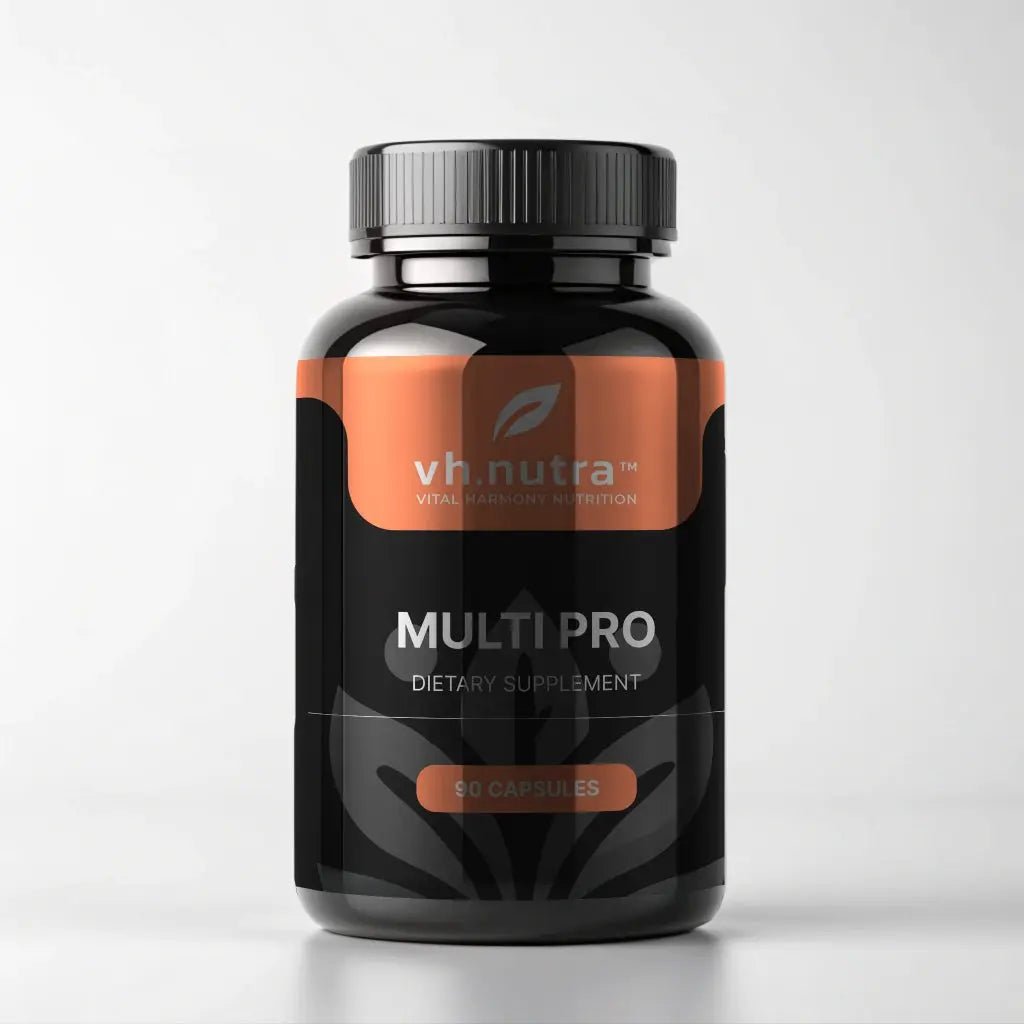
If you are looking for a convenient way to cover essential trace elements, take a look at VH.Nutra Multi Pro – a complete vitamin and mineral complex that includes zinc, iron, magnesium and other trace elements for an active life.
Disclaimer: This information is for educational purposes only. Before taking supplements, consult a doctor or pharmacist.
Related Articles
- Calcium – 7 benefits for bones, muscles and health
- Glucosamine – 7 benefits for joints, mobility and health
- Vitamin D – 7 benefits for immunity, bones and mood