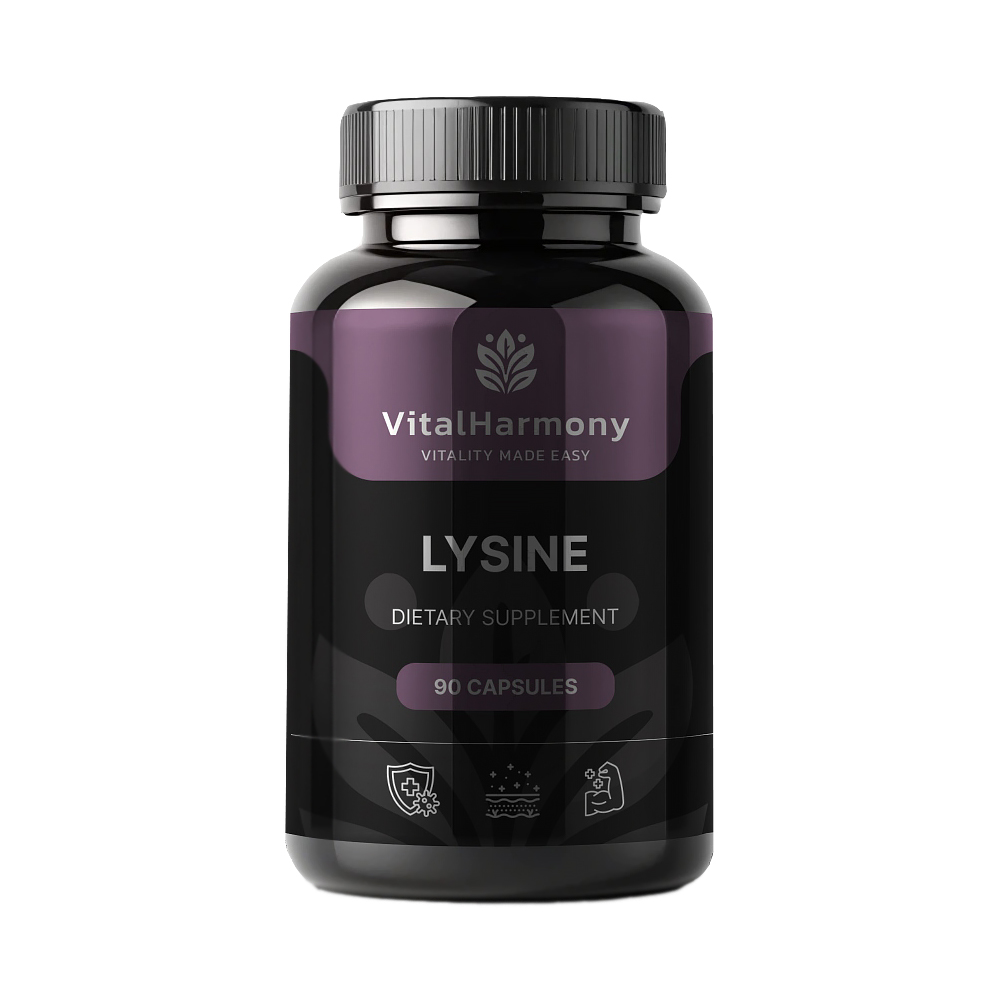
Lysine is one of nine essential amino acids that the body cannot produce on its own – it must be obtained from food or supplements. This amino acid takes part in hundreds of bodily processes: from antibody production to collagen synthesis and calcium absorption. Despite this, many people know little about lysine and often do not get enough of it, especially when following a plant-based or monotonous diet. In this article you will discover the 7 most important benefits of lysine, the recommended dosage and how to choose a high-quality lysine supplement.
Key Takeaways
- Lysine is an essential amino acid – the body cannot produce it, so it must be obtained from food or supplements.
- Recommended daily dose: 500-1000 mg, and up to 3000 mg for cold sore prevention (after consulting a doctor).
- Lysine helps strengthen immunity, reduce cold sore outbreaks, support collagen production and improve calcium absorption.
- The best natural sources of lysine are meat, fish, eggs, dairy products and legumes.
Turinys
Table of Contents
What is lysine and why is it so important?
Lysine (also called L-lysine) is an essential amino acid – one of the building blocks of proteins that make up muscles, skin, bones, enzymes and hormones. Because the human body cannot produce this amino acid, lysine must be obtained from food. The best natural sources of lysine are red meat, poultry, fish, eggs, dairy products, soy and other legumes.
However, not everyone gets enough lysine. A vegan or vegetarian diet, poor protein quality, intense exercise or long-term stress can increase the need for this amino acid. In such cases, lysine supplements become a simple and reliable way to fill the gap.
It is important to understand that lysine performs several critical functions in the body: it helps produce antibodies, takes part in collagen synthesis, regulates calcium absorption and maintains nitrogen balance in muscles. This is why lysine deficiency can manifest in very different ways – from fatigue and cold sore outbreaks to slower muscle recovery.
Lysine deficiency can manifest with various signs: slower wound healing, constant fatigue, hair loss, loss of appetite and more frequent cold sore recurrences. Although severe deficiency is rare in developed countries, suboptimal lysine levels are common – especially among people on plant-based diets and those who exercise intensely.
1. Immune system support
Lysine plays an important role in immune system function, because this amino acid is needed to produce antibodies – proteins that recognise and neutralise viruses and bacteria. When the body lacks lysine, immune cells cannot multiply effectively and the response to infections becomes weaker.
Research shows that adequate lysine levels help maintain healthy immunity and recover faster from colds and other infections. In addition, lysine strengthens the body’s resistance to viruses, especially the herpes simplex virus that causes cold sores.
It is worth mentioning that lysine is often combined with vitamin C, because both substances support immunity synergistically. StayStrong offers a lysine supplement that, together with a balanced diet, can help maintain strong immunity all year round.
2. Reducing cold sore (herpes) outbreaks
One of the best-studied benefits of lysine is its ability to reduce the frequency and duration of cold sore (herpes simplex) outbreaks. The mechanism is simple: the herpes virus needs another amino acid – arginine – to multiply, and lysine competes with arginine for the same absorption pathways in the body. The more lysine there is, the less arginine reaches the virus.
Clinical research, described in detail by the University of Rochester Medical Center, shows that regularly taking 1000-3000 mg of lysine per day reduces the frequency of cold sore outbreaks and helps existing sores heal faster. Therefore, for people who suffer from recurrent cold sores, lysine supplements are one of the most popular natural prevention measures.
3. Supporting collagen production
Lysine is one of the main building blocks of collagen – the protein that forms the structure of skin, tendons, cartilage and bones. Without enough lysine, the body simply cannot produce quality collagen, so skin loses elasticity faster and joints become less resistant to load.
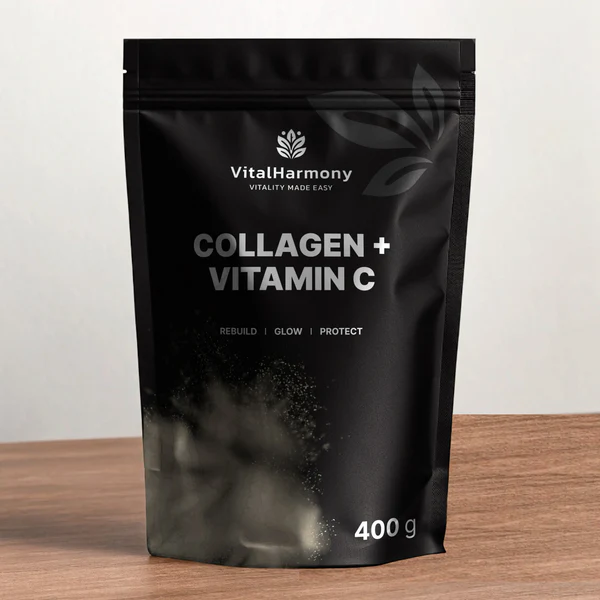
This amino acid also takes part in forming the cross-links in collagen that give the protein its strength. If you want to maintain youthful skin and joint health, it is worth ensuring adequate lysine intake – especially in combination with vitamin C, which is essential for collagen synthesis. StayStrong offers a collagen supplement with vitamin C that complements lysine perfectly.
4. Calcium absorption and bone health
One of the lesser-known but very important functions of lysine is improving calcium absorption. Lysine helps the body absorb calcium from food more efficiently and reduce its excretion in urine. This directly contributes to maintaining bone density and strength.
Therefore, lysine is especially useful for post-menopausal women and older people who are at higher risk of osteoporosis. Combining lysine with calcium and vitamin D supports bone health far more effectively than taking calcium alone.
5. Muscle recovery and athletic performance
Lysine, like all amino acids, takes part in muscle protein synthesis – the process by which damaged muscle fibres are repaired after training. Without enough lysine, muscle recovery slows down and athletic performance can stagnate.
In addition, lysine helps the body maintain nitrogen balance – important for muscle growth and protection against muscle breakdown. For athletes, the need for lysine can be higher, which is why this amino acid supplement is often included in a sports nutrition plan alongside whey protein.
It is important to note that lysine works best together with other essential amino acids, so athletes are often advised to combine lysine with whey protein or complete amino acid profile complexes. Such a combination ensures that muscles receive all the building materials needed for recovery and growth.
6. Reducing stress and anxiety
Lysine can contribute to emotional well-being, because this amino acid acts as a partial antagonist of serotonin receptors. Research has shown that lysine supplements can reduce stress-induced anxiety and improve mood, especially in people experiencing chronic stress.
In one study, participants who took lysine together with arginine reported lower stress levels and better emotional state. Although lysine is not a cure for anxiety disorders, it can be a useful addition to an overall stress management routine.
7. Heart and blood vessel health
Lysine, together with vitamin C, helps maintain healthy blood vessels, because it takes part in the synthesis of collagen and elastin – proteins that give blood vessel walls strength and elasticity. Strong blood vessels better withstand blood pressure fluctuations and reduce the risk of atherosclerosis.
In addition, lysine may help lower lipoprotein(a) levels in the blood – a known risk factor for heart disease. Although more research is needed in this area, early results are promising that lysine may be beneficial for heart and blood vessel health.
How to take lysine correctly?
Recommended dose: for general health, 500-1000 mg of lysine per day is usually recommended. For cold sore prevention, the dose can be increased to 1000-3000 mg per day, but higher doses should only be taken after consulting a doctor.
When to take: lysine is best taken between meals with a glass of water so that it is absorbed better. If you take it several times a day, split the dose into 2-3 times.
Duration of use: lysine supplements can be taken for a longer period, but breaks are recommended – for example, take it for 2-3 months, then rest for 1 month.
Maximum safe dose: up to 3000 mg per day is considered safe for adults, but long-term use of high doses should be supervised by a doctor. StayStrong offers a lysine supplement with a clearly indicated dose – start with a lower dose and monitor your body’s response.
Possible side effects
Lysine is a well-tolerated amino acid, and side effects are rare and usually only occur when taking very high doses. In rare cases, stomach discomfort, nausea or diarrhoea may occur. To avoid these, it is recommended to start with a lower dose and increase it gradually.
People with kidney or liver disease should consult a doctor before taking lysine supplements. Pregnant and breastfeeding women should also take lysine supplements only with a doctor’s permission.
Lysine and vitamin C – what you should know
Lysine and vitamin C are one of the best-matched supplement pairs in the world. Both substances are needed for collagen synthesis – lysine is the building block of collagen, while vitamin C acts as a cofactor without which collagen production is simply impossible. Therefore, taking them together has a stronger effect on skin and joints than taking them separately.
In addition, both substances support immunity synergistically. If you want maximum benefit, choose a lysine supplement and combine it with vitamin C – StayStrong offers a vitamin C supplement that complements lysine perfectly.
Frequently Asked Questions (FAQ)
Does lysine help with cold sores? Yes, lysine is one of the most effective natural remedies for cold sore prevention. It competes with arginine, which the herpes virus needs to multiply, therefore it helps reduce the frequency of outbreaks.
Is lysine suitable for vegans? Natural lysine is mostly found in animal products, but legumes (soy, lentils, beans) or plant-based lysine supplements are suitable for vegans.
Can lysine be taken with other supplements? Yes, lysine works well with vitamin C, collagen, calcium and vitamin D. StayStrong offers a lysine supplement that can be combined with other daily supplements.
How long does lysine take to work? The effects can be noticed after 2-4 weeks of regular use, and in the case of cold sore prevention – after a few weeks of consistent use.
Disclaimer: The information in this article is for educational purposes only and should not be considered medical advice. Before taking any dietary supplements, especially if you have chronic conditions or take prescription medications, be sure to consult a doctor or pharmacist.