Lion’s Mane (Hericium erinaceus) is a white medicinal mushroom covered in long cascading spines that has earned the title of one of the most popular natural nootropics in recent years. This mushroom has been used in traditional Eastern medicine for centuries, and modern scientific research increasingly confirms its benefits for the brain and nervous system. If you want to support memory, focus, and mental clarity, quality Lion’s Mane supplements can become a valuable addition to your daily routine.
Key Takeaways
- Lion’s Mane stimulates the production of nerve growth factor (NGF), which helps nerve cells grow and recover.
- Clinical studies show that Hericium erinaceus can improve symptoms of mild cognitive impairment in older adults.
- The recommended dose is 500–3000 mg of extract per day, and the effects are usually felt after 4–8 weeks.
- The most valued effects of Lion’s Mane are better focus, memory, and mental clarity.
Table of Contents
What Is Lion’s Mane?
Lion’s Mane is an edible mushroom that truly resembles a lion’s mane in appearance: white, long, and soft “hairs” cascade downward from a single firm base. In nature, this mushroom grows on the trunks of old oaks, beeches, and other hardwood trees, and its homeland is considered to be the countries of Asia, although Hericium erinaceus is also found in Europe and North America.
For centuries, traditional Chinese and Japanese medicine valued Lion’s Mane as a remedy to strengthen the stomach and calm the mind. Modern science has discovered two main groups of active compounds in this mushroom — hericenones and erinacines — which are believed to be responsible for most of Lion’s Mane’s benefits. It is because of these compounds that this medicinal mushroom is today most often associated with brain health and nervous system support.
It is important to distinguish between the two main forms of Lion’s Mane supplements. Dried fruiting body powders preserve the whole mushroom, but the concentration of active compounds in them can vary. Standardized extracts, on the other hand, guarantee a consistent amount of hericenones and erinacines in every serving, which is why they are considered a more reliable choice for stable results.
Interestingly, this mushroom also has culinary value — its fresh flavor is often compared to seafood, and when cooked, its texture resembles crab or lobster meat. Although it is widely used in Asian cuisine, in the West, due to limited availability, supplements are usually chosen, as they make it easy to get a concentrated dose of this mushroom’s compounds all year round.
1. Stimulates Nerve Growth Factor (NGF) Production
Lion’s Mane has earned the greatest scientific attention for its ability to stimulate the production of nerve growth factor, also known as NGF. NGF is a protein that helps nerve cells grow, survive, and recover after damage. NGF production naturally declines with age, which makes supporting this protein increasingly important.
Laboratory research shows that erinacines — the active compounds of Hericium erinaceus — can cross the blood–brain barrier and stimulate NGF synthesis in nervous tissue. This mechanism is considered one of the main reasons why Lion’s Mane is often recommended for people who want to maintain the youthfulness of their nervous system and brain plasticity.
2. Improves Memory and Cognitive Function
One of the most frequently mentioned benefits of Lion’s Mane is its positive effect on memory and cognitive function. A double-blind clinical trial conducted in Japan with participants aged 50–80 showed that people taking Lion’s Mane extract achieved significantly better cognitive function test results after 16 weeks than the placebo group.
This study, published in an authoritative medical journal, particularly highlighted the benefits of Lion’s Mane for people with mild cognitive impairment. Although the results are promising, it is important to understand that this mushroom’s effects accumulate gradually rather than appearing overnight. Consistent use is therefore more important than a short-term trial.
3. Supports Focus and Mental Clarity
For many people, Lion’s Mane is associated with better focus and so-called mental clarity. Although this mushroom’s effect is not stimulating like caffeine, it is often described as “gentle mental alertness” — when thoughts become clearer and attention is easier to keep on a single task.
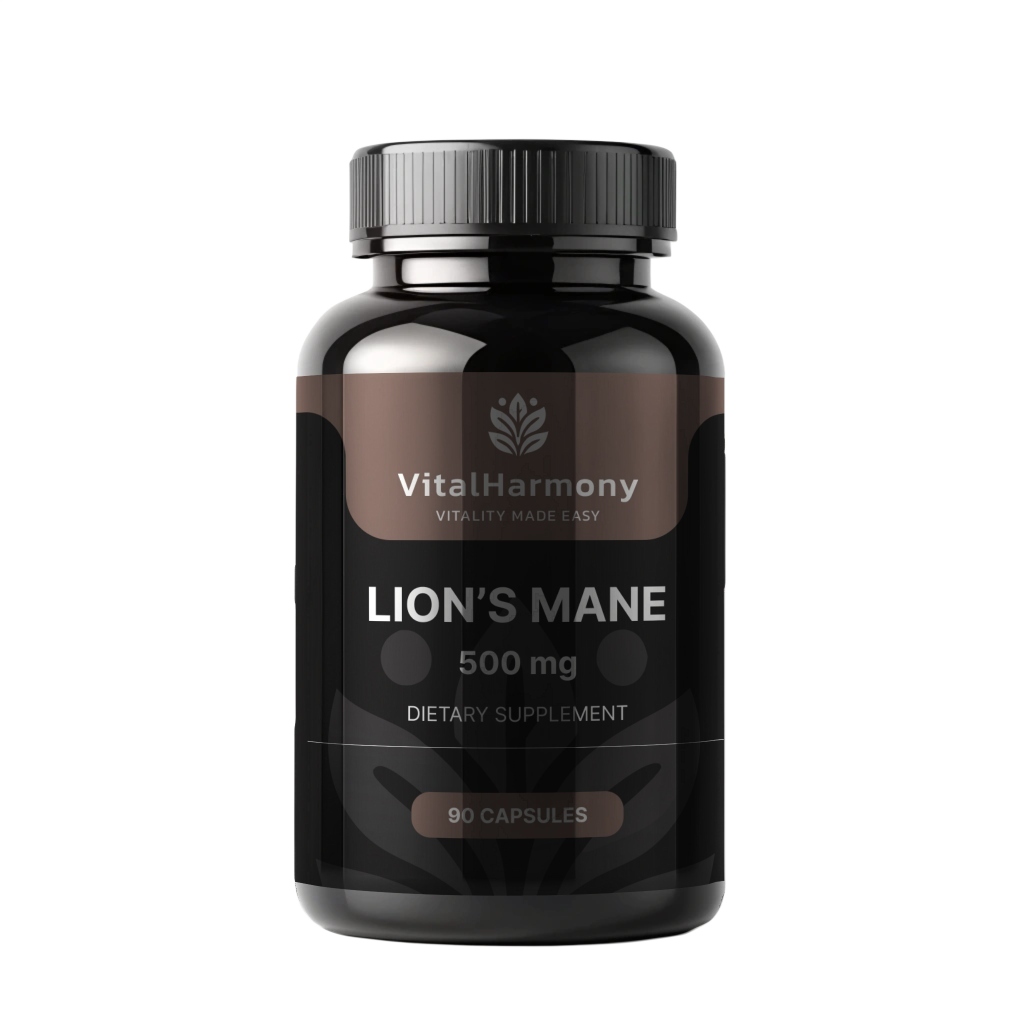
That is why Lion’s Mane extract often appears on lists of nootropic supplements alongside L-theanine and other focus-enhancing substances. If you find it harder to concentrate during the day and want to maintain mental performance in the evening without artificial stimulation, this medicinal mushroom supplement may be worth considering. For example, VitalHarmony Lion’s Mane 500 mg is a concentrated extract designed for daily brain and nerve support.
4. Helps You Relax and Reduces Anxiety
Interestingly, Lion’s Mane not only awakens the mind but also helps you relax. Animal studies and small human studies show that Hericium erinaceus can reduce symptoms of anxiety and depression. This effect is thought to be caused by the mushroom’s influence on neurogenesis processes in the hippocampus — the brain region responsible for emotional regulation.
In practice, this means that Lion’s Mane can be useful for people who experience constant tension or stress. Unlike many calming preparations, this mushroom does not cause drowsiness, so it can be taken during the day as well. Some users notice that after a few weeks of regular use they become calmer and handle stressful situations more easily. However, it is important to emphasize that for serious mood disorders, supplements alone are not enough — it is essential to consult a specialist.
5. Supports Nervous System Recovery
The nervous system is constantly under load — stress, lack of sleep, and intense mental work. Through NGF stimulation, Lion’s Mane can help nerve cells recover faster and maintain connections between neurons. This is especially relevant for people whose work requires long hours of concentration or who are recovering from nervous system strain.
In addition, preliminary research is exploring the potential effect of Lion’s Mane on peripheral nervous system recovery after injuries. It is believed that NGF stimulation can accelerate the regeneration of nerve fibers and the restoration of the myelin sheath. Although this area still requires more human research, the NGF mechanism is considered a promising basis for further study.
6. May Support Digestion and Immunity
In traditional medicine, Lion’s Mane was primarily used to treat stomach and digestive ailments. Modern research confirms that the polysaccharides in this mushroom can protect the stomach lining and support a healthy gut microbiome. A healthy gut, in turn, is closely linked to immunity and even mood.
Hericium erinaceus also has immunomodulatory properties — it can help balance the immune system’s response. The polysaccharides in this mushroom promote the growth of beneficial gut bacteria, which indirectly strengthens the body’s defenses. Although Lion’s Mane is not a substitute for classic immunity-boosting vitamins, it can be a valuable addition to supporting overall body resilience.
7. Antioxidant and Anti-Inflammatory Effects
Chronic inflammation and oxidative stress are linked to many chronic diseases and accelerated aging. Lion’s Mane has antioxidant activity that helps neutralize free radicals and protect cells from damage. This is important not only for the brain but for the entire body.
Research shows that Lion’s Mane extract can reduce inflammatory markers in the body. This effect, together with NGF stimulation, makes this medicinal mushroom a truly versatile health-support tool. By protecting cells from oxidative damage, Lion’s Mane can contribute to overall body resilience and healthier aging, earning it a place in a long-term supplement routine.
How to Take Lion’s Mane?
When choosing a Lion’s Mane supplement, first pay attention to the extract’s concentration and standardization. The recommended dose for most people is 500–3000 mg of extract per day, but it is best to start with a lower dose — 500–1000 mg — and gradually increase it if needed. High-quality supplements often state the percentage of active compounds on the label.
When buying a Lion’s Mane extract, look for manufacturers that clearly state the mushroom’s origin, the part used (fruiting body or mycelium), and the concentration of active compounds. Good practice is to choose products whose composition has been tested by independent laboratories, as this reduces the risk of heavy metals or impurities. Consistency here is more important than a single large dose.
Lion’s Mane can be taken in the morning or during the day, preferably with food, to reduce possible digestive discomfort. Since this mushroom does not cause drowsiness, it fits perfectly into a morning routine before a work or study day. To feel the cognitive benefits, it is recommended to take Lion’s Mane consistently for at least 4–8 weeks, and optimal results are often achieved after 3 months. The maximum safe dose is considered to be up to 5000 mg per day, although such high doses are not necessary for most people. In the StayStrong catalog, you will find VitalHarmony Lion’s Mane 500 mg — a convenient capsule format with a clearly stated dose per serving.
Possible Side Effects
Lion’s Mane is considered safe and does not cause any adverse reactions in most people. In rare cases, mild digestive discomfort, bloating, or skin itching may occur, especially when starting with higher doses. These symptoms usually subside after reducing the dose or taking the supplement with food.
People allergic to mushrooms or mold should avoid Lion’s Mane supplements, as allergic reactions are possible. It is also worth knowing that Lion’s Mane may interact with blood-thinning and blood-sugar-lowering medications, so consulting a doctor is essential for those taking such medications. Pregnant and breastfeeding women, as well as people taking blood-thinning medications, must consult a doctor before taking this mushroom. If you notice unusual reactions, stop taking it immediately and contact a specialist.
Lion’s Mane and L-Theanine — What to Know?
One of the most popular nootropic combinations is Lion’s Mane and L-theanine. L-theanine is an amino acid found in green tea that promotes relaxation without drowsiness and improves attention. Together with Lion’s Mane, this duo is often described as “calm focus”: the mushroom supports nerve growth factor and cognitive function, while L-theanine helps maintain a calm but concentrated mind.
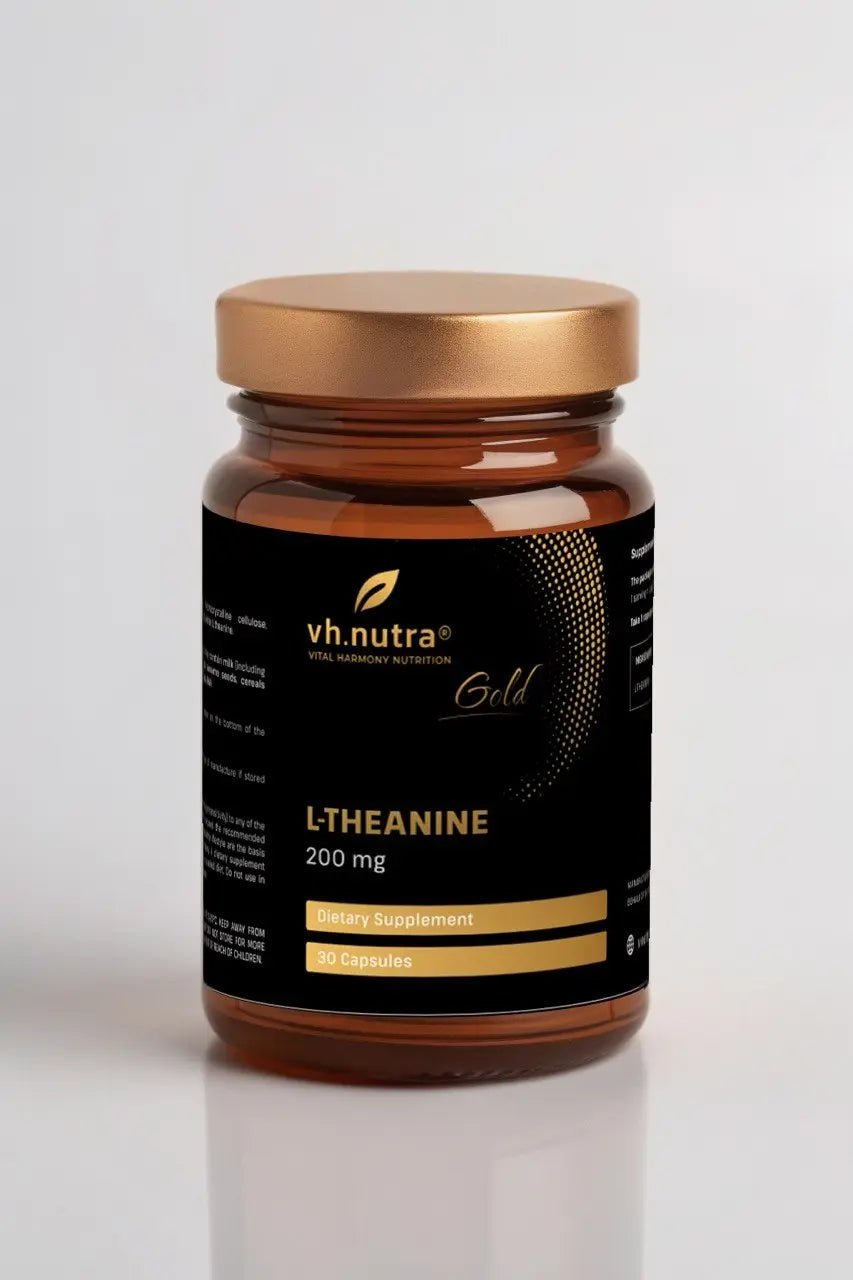
This combination is especially convenient for people who want productivity without the anxiety or energy swings caused by caffeine. In the StayStrong catalog, you will also find VH.Nutra L-Theanine 200 mg — a great choice to combine with a Lion’s Mane supplement. Read more about the benefits of L-theanine in our article L-theanine: 5 benefits for calm and focus.
Frequently Asked Questions
Is Lion’s Mane suitable for vegans and vegetarians?
Yes, Lion’s Mane is a mushroom, so its supplements are perfectly suitable for people following a plant-based diet. However, it is worth checking whether the capsule shell is made from animal-derived gelatin — many manufacturers choose plant-based cellulose.
When is the best time to take Lion’s Mane — morning or evening?
Lion’s Mane does not cause drowsiness, so it is most convenient to take it in the morning or in the first half of the day, so you can feel mental clarity throughout the workday. Taking it in the evening usually causes no serious problems, although some people report more vivid dreams.
What is the difference between Lion’s Mane extract and dried mushroom powder?
Extract is a concentrated form in which the amount of active compounds — hericenones and erinacines — is higher than in plain dried powder. Therefore, a smaller dose of extract is needed to achieve an effect. For example, VitalHarmony Lion’s Mane 500 mg is a standardized extract that ensures a consistent concentration in every capsule.
Is it worth combining Lion’s Mane with vitamin B12?
Yes, this combination is especially meaningful because vitamin B12 is directly involved in nervous system and energy metabolism processes. Together with Lion’s Mane, it can provide additional support for the brain and nervous system. Read more in the article Vitamin B12: 7 Benefits for Energy, Brain, and Nervous System.
Disclaimer: This information is for educational purposes only and cannot replace professional medical advice. Before starting to take any dietary supplements, be sure to consult a doctor or pharmacist.