Turinys
Table of Contents
What is lecithin and why is it so important?
The membrane of every cell in your body – from brain neurons to liver cells – is made of substances that maintain its integrity and flexibility. One of the most important of these substances is lecithin – a natural mixture of phospholipids whose main component is phosphatidylcholine.
Although the name lecithin sounds technical, this compound is actually extremely widespread in nature. Lecithin is abundant in egg yolks, soybeans, sunflower seeds and liver. It is from these sources that it is extracted for food supplements, and in recent years the most popular choice has become sunflower lecithin – clean, free of soy allergens and usually non-GMO.
What makes lecithin exceptional is its ability to act as a natural emulsifier. This plant compound binds fats and water – two substances that normally do not mix. It is precisely because of this property that lecithin supports normal fat metabolism in the liver, contributes to cholesterol balance and supplies the body with choline – a nutrient essential for the nervous system and brain function.
Key Takeaways
- Lecithin is a natural source of phospholipids, whose main component – phosphatidylcholine – is essential for cell membranes.
- Recommended daily dose: 1200–2400 mg, divided into 1–2 doses taken with meals.
- Lecithin supplies the body with choline – a substance that supports brain function, liver health and the nervous system.
- Sunflower lecithin is a clean, soy-allergen-free choice suitable for daily use.
1. Supporting brain function and memory
The brain is one of the most fat-rich organs in the human body, and lecithin directly participates in maintaining its structure and function. When this plant compound is broken down, it releases choline, from which the body produces acetylcholine – one of the most important neurotransmitters responsible for memory, learning and attention.
When choline levels are sufficient, nerve cells can transmit signals efficiently, and information is memorized and processed faster. This is especially relevant for people who do a lot of mental work, are studying, or feel that their concentration and memory could be better.
Research shows that taking phosphatidylcholine – the main component of lecithin – can help maintain cognitive function, especially in older age. Although lecithin is not a miracle pill, taking it regularly together with a healthy diet and an active lifestyle is a well-founded way to support brain health in the long term.
Practical conclusion: if you want to support memory and concentration, lecithin is one of the simplest natural ways to supply the brain with essential choline.
2. A source of choline for the nervous system
Choline is a nutrient that we often forget, even though it is essential for the nervous system. According to the National Institutes of Health, the recommended adequate intake of choline is about 550 mg per day for men and 425 mg per day for women, but many people do not reach this amount from food alone.
This is exactly where lecithin comes to the rescue. Since phosphatidylcholine makes up most of lecithin, this supplement is one of the most effective and convenient sources of choline. When you take lecithin, the body receives ready-made “building material” from which it produces acetylcholine and maintains the protective sheath of nerve fibers – myelin.
Choline deficiency can manifest as fatigue, poor concentration and a general feeling of “brain fog”. By replenishing lecithin reserves, you give the nervous system the support it needs every day. It is important to emphasize here that lecithin is not a stimulant – it does not give a sudden burst of energy, but rather acts as long-term support for the nervous system.
For example, VH.Nutra Sunflower Lecithin 500 mg provides a convenient 500 mg serving in one capsule – a simple way to replenish choline reserves daily without soy allergens.
3. Supporting liver health and fat metabolism
The liver is the body’s main “laboratory”, responsible for fat metabolism and toxin elimination. Lecithin plays a dual role here: first, it helps transport fats out of the liver, and second, it supplies liver cells with the phospholipids needed for their membrane integrity.
When choline is lacking, fats can accumulate in the liver because their transport requires phosphatidylcholine. Lecithin, as a rich source of phosphatidylcholine, helps maintain normal fat transport and contributes to healthy liver function. This is especially important for people who consume a lot of fatty food or alcohol.
In addition, the emulsifying properties of lecithin support bile production – bile is exactly the substance that breaks down fats in the digestive tract. Adequate bile production means more efficient fat digestion and less strain on the liver.
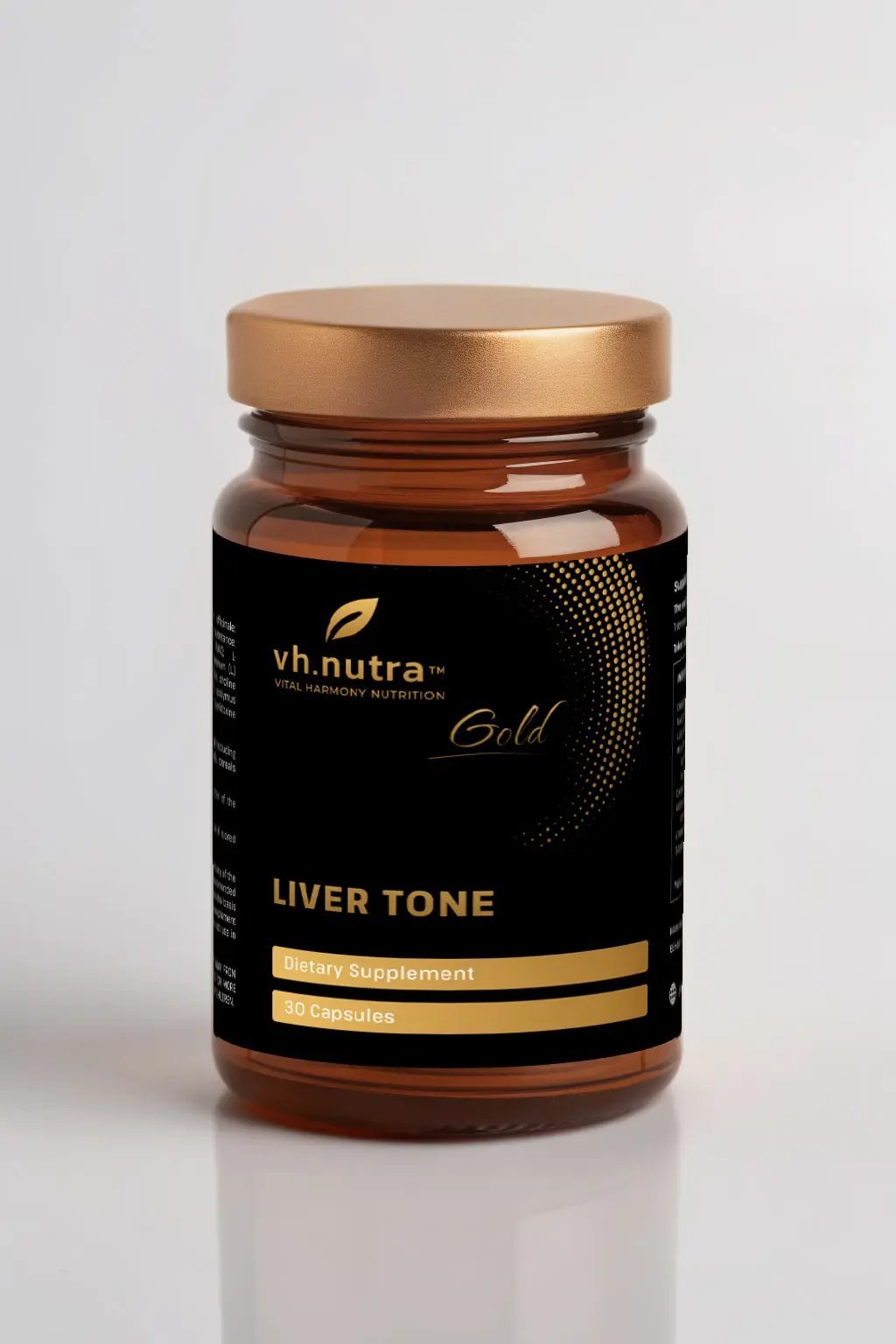
Liver health is closely linked to overall well-being, so taking lecithin can be a useful addition for those who want to support the function of this organ. If liver support is especially important to you, it is worth considering a specialized complex, for example VH.Nutra Liver Tone, which contains not only choline but also milk thistle and NAC.
4. Supporting cholesterol balance
Cholesterol is often called an enemy, but in reality it is essential for cell membranes and hormone production. The problem arises not from cholesterol itself, but from its imbalance – when there is too much “bad” LDL cholesterol and too little “good” HDL cholesterol.
Lecithin acts here as a natural emulsifier. This plant compound helps keep cholesterol “dissolved” in the blood and prevents it from accumulating on blood vessel walls. Phosphatidylcholine, the main component of lecithin, participates in the lipid transport mechanisms that help maintain a healthy cholesterol balance.
Research shows that regular lecithin intake can contribute to maintaining a normal lipid profile, although the effect is not as dramatic as statins. Nevertheless, lecithin is a valuable element of a daily heart health strategy, especially when combined with omega-3 fatty acids, which also support heart and blood vessel health.
Practical conclusion: if you care about heart health, lecithin together with a healthy diet can be a simple and natural way to support cholesterol balance.
5. Supporting cell membrane integrity
Every cell in the human body – and there are trillions of them – is surrounded by a membrane that regulates what enters the cell and what leaves it. This membrane is mostly made of phospholipids, and lecithin is the main source of them in the body.
A healthy cell membrane is flexible and permeable – it allows nutrients to enter and waste to leave. When phospholipids are lacking, the membrane becomes stiffer and less efficient, which over time can affect cell function and even its lifespan.
By taking lecithin, you supply the body with the building materials needed for cell membrane renewal. This is especially important for active people and athletes, whose bodies experience a greater cell turnover load. In addition, healthy membranes are essential for muscle cell recovery after physical exertion.
This effect is not visible to the naked eye, but it is fundamental – the condition of cell membranes determines how efficiently all organs and systems work.
6. Supporting digestion and bile production
Good digestion starts with breaking down fats, and this is the job of bile – a substance produced in the liver and stored in the gallbladder. Lecithin is an important component of bile, so an adequate amount helps maintain efficient fat digestion.
In addition, the emulsifying properties of lecithin help fats disperse in water, which facilitates the work of digestive enzymes. This means that fat-soluble vitamins – A, D, E and K – can be better absorbed. It is important to understand here that lecithin not only supports digestion but also indirectly improves the utilization of other nutrients.
If you feel heaviness, bloating or discomfort after fatty food, taking lecithin with a meal can be a useful addition. The effect of this plant compound on digestion is gentle but consistent, making it suitable for long-term daily use.
7. Supporting skin health and the skin barrier
The skin is the largest organ of the human body, and its outer layer – the protective barrier – is also made of phospholipids. Lecithin, as a source of phosphatidylcholine, contributes to maintaining the integrity of this barrier, which helps the skin retain moisture and protect itself from external irritants.
Dry, flaky or sensitive skin is often a sign of a damaged skin barrier. By taking lecithin internally, you support the health of skin cell membranes from within, which can be reflected in softer and better-hydrated skin. Of course, this is not a quick cosmetic solution, but in the long term the condition of the skin depends precisely on such fundamental substances as phospholipids.
In addition, lecithin is often used in the cosmetics industry as a moisturizing ingredient, which once again confirms its importance for skin health. Combining lecithin with collagen or other skin-supporting supplements can lead to even better results.
How to take lecithin?
For lecithin to actually work, it is important not only to take it but to do so correctly. Here is what is worth knowing before you start.
Dosage. The usual daily dose of lecithin for adults is 1200–2400 mg. Since one sunflower lecithin capsule usually contains 500 mg, this means 1–3 capsules per day. Beginners are recommended to start with 1 capsule (500 mg) per day and after a few days increase to the desired dose while monitoring the digestive system’s response.
When to take it. Lecithin is best taken with a meal, because fats help absorb phospholipids better. If you take one dose per day, the best time is with the largest meal of the day – lunch or dinner. If you take two doses, split them between breakfast and dinner.
Duration. The effect of lecithin is cumulative, so significant results are usually seen after 4–8 weeks of regular use. This is not an “on-demand” supplement – consistency is the key to success.
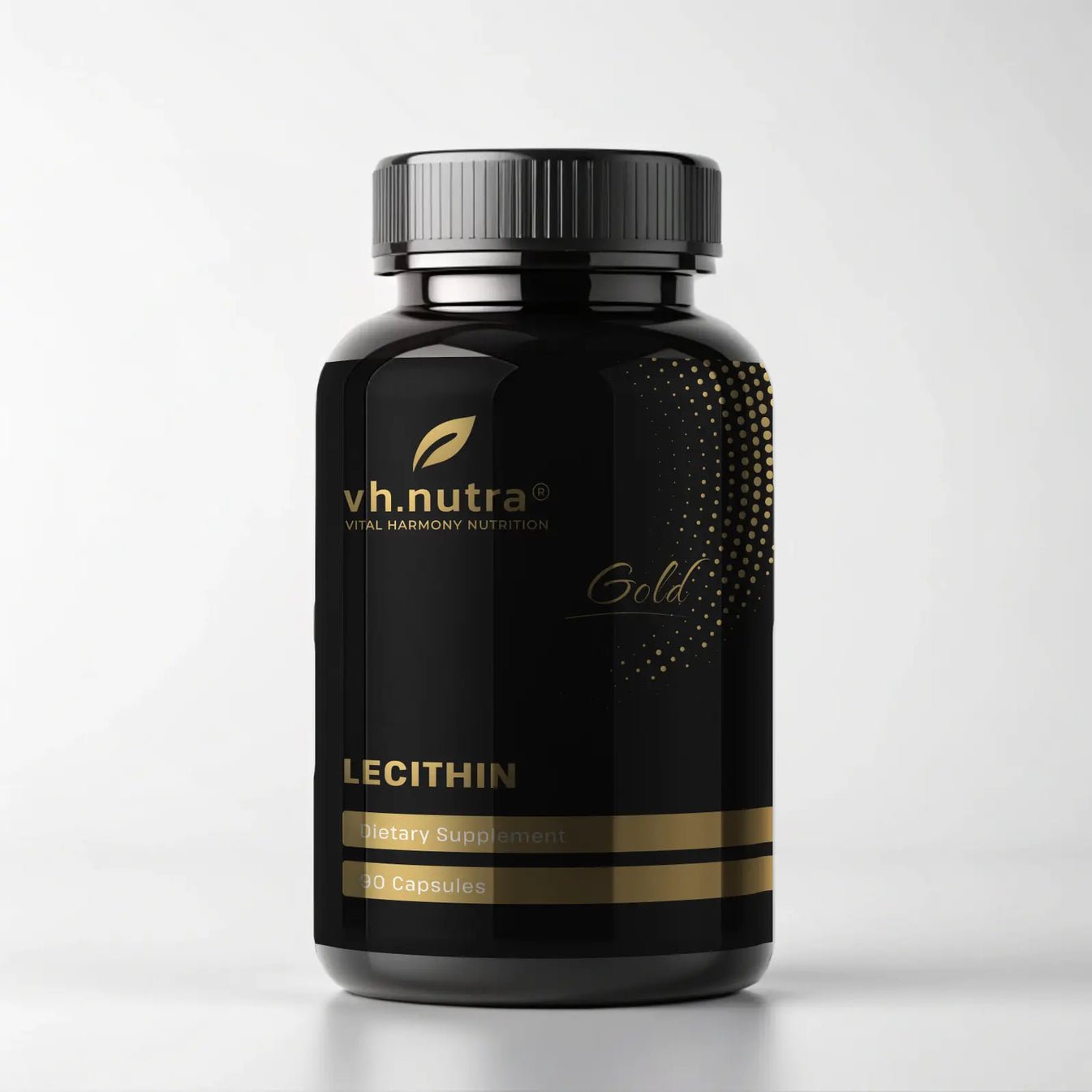
StayStrong offers VH.Nutra Sunflower Lecithin 500 mg – in a 90-capsule pack, which is enough for 1–3 months of daily use. Sunflower lecithin stands out because it contains no soy allergens, making it a suitable choice for most people.
Possible side effects
Lecithin is considered a very safe supplement and has been granted GRAS (“generally recognized as safe”) status. Most people tolerate it without any problems, even over a long period.
However, in rare cases, especially when taking very high doses (over 5000 mg per day), mild digestive discomfort may occur: bloating, nausea, looser stools or diarrhea. These symptoms usually disappear on their own after reducing the dose or dividing it into several times a day.
People allergic to soy should choose sunflower lecithin, which contains no soy. It is also worth starting lecithin cautiously if you take blood-thinning medication or have serious liver disease – in that case you must consult your doctor before starting.
Lecithin and choline – what you need to know?
Lecithin and choline are closely related, but not the same thing. Choline is a nutrient – an organic compound that the body needs to obtain from food, because its production in the body is limited. Lecithin, in turn, is a mixture of phospholipids in which choline is “built in” in the form of phosphatidylcholine.
When you take lecithin, your digestive system breaks down phosphatidylcholine and releases free choline from it, which the body uses to produce acetylcholine. Therefore, lecithin is an effective and natural way to replenish choline reserves, and this is confirmed by official recommendations – in the National Institutes of Health (NIH) choline review, lecithin is listed as one of the main sources of choline.
It is important to understand one thing here: if you want to support the nervous system and the brain, adequate choline is essential. B-group vitamins also contribute to nervous system function, so it is worth combining lecithin with a balanced vitamin complex.
Frequently asked questions
Is lecithin suitable for vegans? Sunflower lecithin is plant-based and suitable for vegans and vegetarians. Unlike soy lecithin, it contains no soy allergens, and sunflower lecithin is usually non-GMO. This is a convenient choice for those who follow a plant-based diet.
How long does lecithin take to work? The effect of lecithin is gentle and cumulative, so you should not expect results after the first day. With regular use, the first changes – for example, better concentration or more comfortable digestion – may be noticed after 2–4 weeks.
Can I take lecithin with other supplements? Yes, lecithin combines well with most supplements, especially with omega-3 fatty acids, which together with phospholipids support brain and heart health. VH.Nutra Sunflower Lecithin can be taken together with vitamin complexes without any interactions.
Is lecithin suitable for children? Lecithin is safe for children too, but the dose should be reduced according to age and body weight. Before giving any food supplements to children, it is always worth consulting a pediatrician.
Lecithin products at StayStrong.lt
StayStrong.lt offers high-quality sunflower lecithin – choose the one that suits you best:
Disclaimer: The information in this article is for educational purposes only and cannot replace professional medical advice. Before taking any food supplements, especially if you have chronic conditions or take prescription medication, you must consult a doctor or pharmacist.