Turinys
Table of Contents
What is caffeine and why is it so popular?
Caffeine is the most widely used psychoactive substance in the world, consumed daily by billions of people through coffee, tea, cocoa or energy drinks. Caffeine is a natural alkaloid found in coffee beans, tea leaves and cocoa beans, and it is precisely its ability to quickly stimulate the nervous system that has made it an inseparable part of the morning routine worldwide.
In the body, this stimulant acts as an adenosine receptor blocker – it temporarily “blocks” the substance that sends a tiredness signal to the brain. This mechanism explains why a cup of coffee or a caffeine supplement helps you feel more awake, alert and focused after just 30–60 minutes.
Although most people get caffeine through beverages, more and more athletes and active people choose caffeine supplements – they are easier to dose precisely, and the effect is faster and more predictable. It is important to understand here that this compound is not a magic pill: all of its benefits only appear when it is used consciously and in the right doses.
Key takeaways
- Caffeine blocks adenosine receptors and helps you feel more awake, alert and focused.
- The safe daily dose for an adult is up to 400 mg – roughly 4 cups of coffee.
- For sports, it is recommended to take 3–6 mg of this substance per kilogram of body weight, 30–60 minutes before training.
- This alkaloid works best in the morning or before exercise – it should be avoided late in the evening, as it can disrupt sleep.
1. Boosts energy and alertness
The best-known benefit of this substance is its ability to quickly raise energy levels and reduce drowsiness. Caffeine blocks adenosine, a natural compound that accumulates in the brain during the day and signals the body that it is time to rest.
When adenosine cannot bind to its receptors, the brain “does not notice” fatigue and continues to work in an active mode. That is why, after a cup of coffee or a caffeine supplement, many people feel more awake and better prepared for the day’s work. The effect usually appears within 30–60 minutes and lasts up to 4–6 hours.
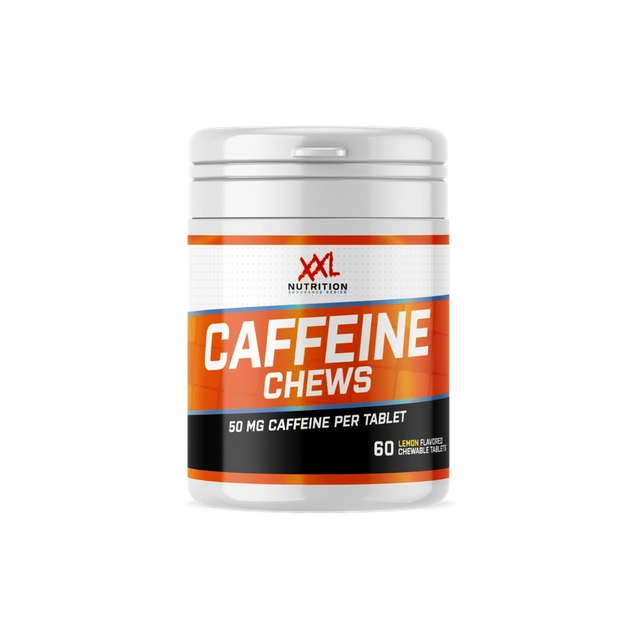
A convenient way to get a quick energy boost is chewable caffeine tablets. For example, Caffeine Chews Tablets, 50 mg provide exactly 50 mg of this substance per tablet – roughly half a cup of coffee, only without water and long preparation.
It is important to emphasize here that caffeine does not “create” energy out of nothing – it temporarily masks fatigue. In the long run, the real source of energy will always be sleep, a balanced diet and regular movement.
2. Improves focus and attention
Besides physical alertness, this alkaloid also helps mental performance. Research shows that moderate caffeine doses can improve attention, reaction speed and the ability to maintain concentration for longer when performing monotonous or complex tasks.
This effect is especially noticeable when you are tired or working a night shift. That is why many students and knowledge workers use caffeine before exams, important meetings or long work sessions. It is important not to overdo it here – too high a dose can cause anxiety and the opposite effect.
It is worth knowing that the link between this stimulant and concentration works best together with proper rest. If you constantly sleep too little, no amount of caffeine will replace quality sleep, so this substance is best viewed as a supporting tool rather than the main solution.
3. Enhances athletic performance
Caffeine is one of the most researched and most effective sports supplements in the world. International sports nutrition organizations confirm that taking caffeine before training can improve endurance, strength and overall physical capacity, which is why it is used in both endurance and strength sports.
The mechanism of action here is twofold: first, this compound reduces perceived exertion, so the same exercise feels easier, and second, it helps the body sustain high intensity for longer. Athletes often notice that with this alkaloid they can perform more repetitions or run longer without fatigue.
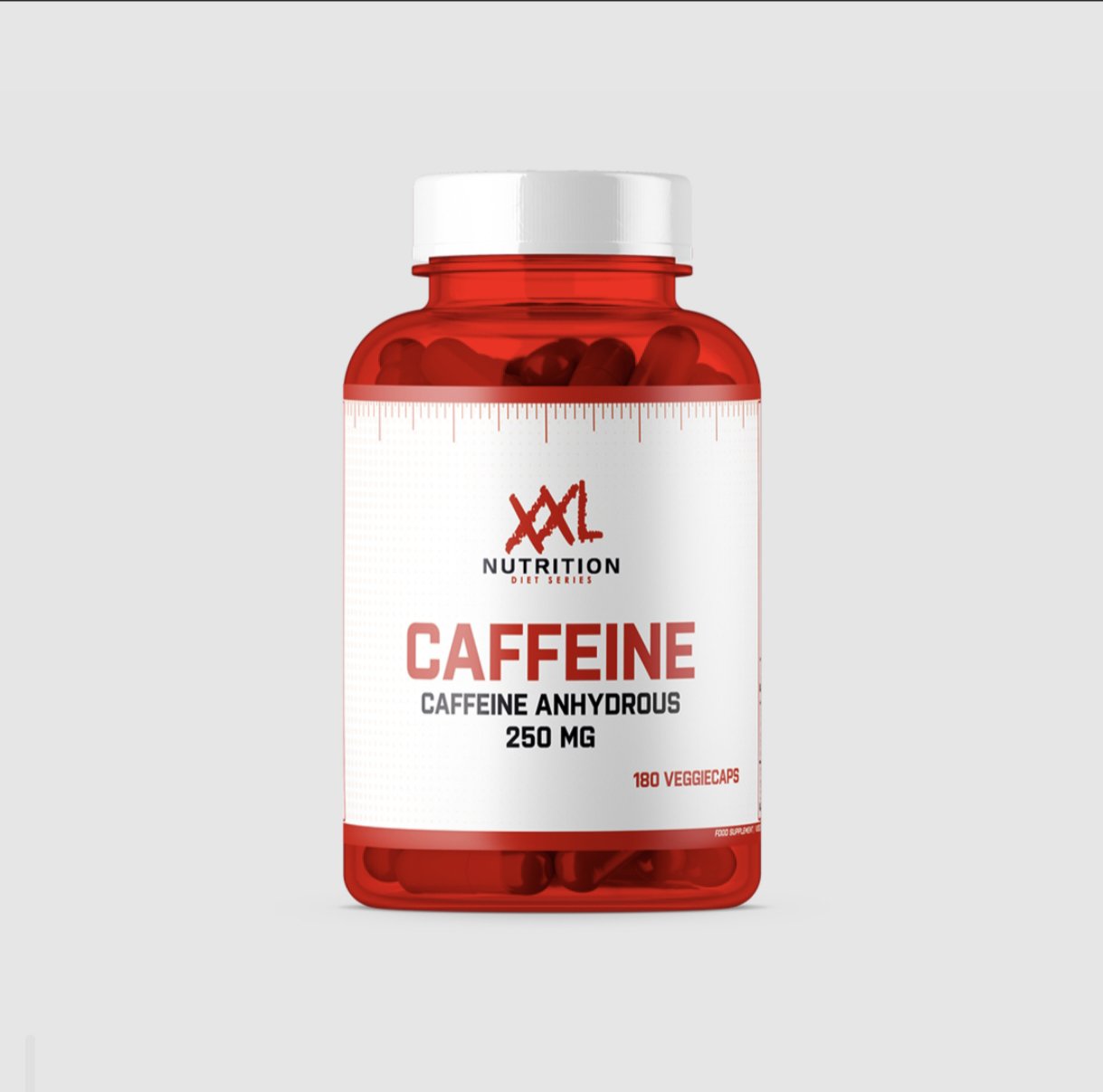
For more serious training sessions, a higher dose is worth choosing. Caffeine Booster 250 mg provides a powerful 250 mg serving in a single capsule – an ideal choice for experienced athletes before intense workouts. Moreover, this supplement is anhydrous, so it is absorbed quickly.
If you want to learn more about whether to choose caffeine or a dedicated pre-workout blend, read our article “Pre workout or coffee before training?” – there we compared both options in detail.
4. Supports fat burning and metabolism
Caffeine is often found in fat-burning supplements, and this is no coincidence. This substance can slightly increase the metabolic rate – your body starts burning a little more calories even at rest.
In addition, this alkaloid stimulates the breakdown of fat cells, releasing fatty acids into the bloodstream where they can be used as an energy source. This effect is best observed when caffeine is combined with physical activity – taking caffeine alone without movement will not produce a significant weight change.
It is important to remain realistic here: the influence of this compound on metabolism is small and temporary. Long-term results will always require a calorie deficit, movement and consistency, and caffeine can only be a supporting tool on this journey.
5. Reduces the feeling of fatigue
Fatigue is not only a physical sensation but also a signal sent by the brain. Caffeine acts precisely on this signal: by blocking adenosine, it temporarily reduces the subjective perception of tiredness, so you feel able to continue work, studies or training.
This property is especially valuable at times when you need to stay productive despite shorter sleep or a long day. Still, it is worth understanding that this substance does not eliminate fatigue – it only postpones it. When the effect of this stimulant wears off, fatigue can return with a vengeance.
If you feel constant fatigue, it is better to first look at your sleep quality and life rhythm. To learn more about how to regain energy naturally, read the article “Energy routine for sedentary work”.
6. Supports brain health
Long-term observational studies link moderate caffeine consumption to a lower risk of certain neurological diseases. Regular coffee and caffeine consumption has been associated in studies with a lower risk of developing Parkinson’s disease and Alzheimer’s disease.
This effect may be related to the antioxidant properties found in caffeine and to its ability to block adenosine receptors involved in inflammatory processes in the brain. Of course, this does not mean that this alkaloid is a medicine – but moderate consumption can be one of the habits beneficial for brain health, especially when combined with an active lifestyle and a healthy diet.
It is important to maintain balance here: too much caffeine can harm sleep, and quality sleep is one of the most important factors for brain health. Therefore, this substance is best used in the morning without exceeding safe daily limits.
7. Improves reaction time and mood
Caffeine not only wakes you up but can also improve your mood. Moderate doses are associated with better well-being, greater alertness and faster reaction time, which is why this compound often helps you feel more energetic and more positive at the start of the day.
Moreover, faster reaction time is useful not only in sports but also in everyday situations – for example, when driving longer distances or doing work that requires quick decision-making. It is worth mentioning here that the effect on mood is individual and depends on tolerance to this alkaloid.
To prevent caffeine’s energy from turning into anxiety, many people combine it with L-theanine – an amino acid that softens the effect of this stimulant and provides calmer, smoother focus. Read more about this combination in the next section.
How to use caffeine?
For caffeine to work the way you want, it is important to use it correctly. Here are the main rules worth following.
Dosage. The safe daily dose for a healthy adult is up to 400 mg, and it is recommended not to take more than 200 mg at a time. For beginners, it is best to start with lower doses – 50–100 mg – and monitor the body’s reaction to avoid a racing heart or feelings of anxiety.
When to take it. The best time for caffeine is the morning or 30–60 minutes before training. It should be avoided in the late afternoon and evening, because the half-life of this substance in the body is about 5 hours, which means caffeine taken in the evening can disrupt falling asleep and sleep quality. You should also not overuse caffeine by combining it with energy drinks or other stimulants – the total dose can become too high.
Duration. Caffeine is not a cumulative supplement – its effect appears quickly and lasts for a few hours, so it can be used as needed. Still, it is recommended to take breaks so that the body does not get used to this alkaloid and the effect remains strong.
StayStrong offers two convenient options: Caffeine Chews Tablets, 50 mg – a gentler dose for everyday use, and Caffeine Booster 250 mg – a higher dose for experienced users and athletes.
Possible side effects
Caffeine is safe when used in recommended doses, but exceeding 400 mg per day or taking it late in the evening can cause unpleasant symptoms. The most common of them are anxiety, a racing heart, trembling hands, insomnia and digestive discomfort.
These effects are individual: some people tolerate higher doses perfectly well, while others feel anxious even after one cup of coffee. If you notice that you become nervous or sleep poorly after caffeine, it is worth reducing the dose or taking caffeine only in the first half of the day.
Pregnant women are recommended to limit this substance to 200 mg per day, and people with heart conditions or high blood pressure should consult a doctor before starting caffeine supplements. For more official information about safety, see the caffeine overview from the U.S. National Library of Medicine (MedlinePlus).
Caffeine and L-theanine – what you should know?
One of the most popular combinations is caffeine with L-theanine – an amino acid naturally found in green tea. This duo is often called the ideal “calm focus” combination, because it brings together the best qualities of both substances.
Caffeine provides energy and alertness, while L-theanine softens the possible anxiety and nervousness caused by this alkaloid. Taken together, these two compounds help achieve smooth, long-lasting concentration without a sudden energy spike and the later crash. The most commonly recommended ratio is 1 part L-theanine to 2 parts caffeine.
If you want to learn more about L-theanine and its effects, read the article “L-theanine: 5 benefits for calm and focus”. Taking L-theanine together with caffeine allows you to achieve a balanced state of energy and calm, valued by both students and knowledge workers – without sudden energy spikes and the later crash.
Frequently asked questions
How much caffeine is safe per day? For a healthy adult, the safe daily dose is up to 400 mg, which is roughly 4 cups of coffee. It is recommended not to take more than 200 mg at a time, and pregnant women should limit the dose to 200 mg per day.
Is caffeine addictive? This substance can cause mild physical dependence and tolerance – with regular use, the body gets used to it, and stopping suddenly can cause headaches or fatigue. These symptoms usually pass within a few days and are not dangerous to health.
Can I use caffeine every day? Yes, moderate daily use is considered safe. The most important thing is not to exceed the recommended dose and not to take it late in the evening. If you want to keep the effect strong, it is worth taking short breaks from time to time. Caffeine Chews Tablets, 50 mg make it easy to control your daily dose.
When does this stimulant start working and how long does it last? The effect usually appears within 30–60 minutes and lasts from 4 to 6 hours, depending on the dose and individual metabolism. That is why it is better not to take it late in the afternoon – otherwise sleep quality may suffer.
Caffeine products at StayStrong.lt
StayStrong.lt offers two quality caffeine supplements – choose the one that suits you best by dose and usage:
Disclaimer: The information in this article is for educational purposes only and cannot replace professional medical advice. Before starting any dietary supplements, especially if you have chronic conditions or take prescription medication, be sure to consult a doctor or pharmacist.