Turinys
Table of Contents
What is inosine and why is it important?
Inosine is a purine nucleoside that is naturally produced in the human body and takes part in cellular energy production. Inosine is considered one of the key intermediates in the regeneration of ATP (adenosine triphosphate), which is why adequate levels of it are directly linked to energy, endurance and faster recovery after physical exertion.
In the body, this purine derivative is formed from adenosine and can later be converted back into ATP through the so-called purine salvage pathway. This mechanism allows cells to replenish their energy reserves more quickly, especially when the body is under heavy load or lacks oxygen. That is exactly why inosine has long been of interest to athletes and people who want to maintain high performance.
Inosine is naturally abundant in meat, especially beef and pork, as well as in organ meats such as liver and heart. Smaller amounts are found in fish and brewer’s yeast. However, the amount obtained from food is often insufficient, which is why active people choose concentrated supplements of this compound, which are easier to dose precisely.
Historically, inosine was popular among Eastern European athletes as far back as the 1970s and 1980s, when it was used to improve endurance and recovery. Today, this purine nucleoside is once again attracting attention in both sports and general health contexts, so it is worth understanding what it can actually deliver and how to use it correctly.
Key Takeaways
- Inosine takes part in ATP regeneration and helps cells replenish their energy reserves more quickly.
- The usual dose of this purine nucleoside is 500–1000 mg per day, and up to 2000–3000 mg for athletes.
- This compound may improve endurance, oxygen utilization in muscles, and heart and blood vessel function.
- Inosine works best when combined with a balanced diet and consistent training, rather than as a standalone measure.
1. Increases energy production and ATP levels
The main benefit of inosine is linked to energy production in cells. ATP is the body’s primary energy source, and this purine nucleoside acts as an intermediate that helps cells replenish depleted ATP stores, especially during intense physical exertion.
When muscles work at high intensity, ATP stores are depleted within seconds, so cells must constantly regenerate it. Inosine takes part in the purine metabolism cycle, through which adenosine and other compounds are converted back into ATP. A higher level of this compound can help maintain more stable energy levels during prolonged effort.
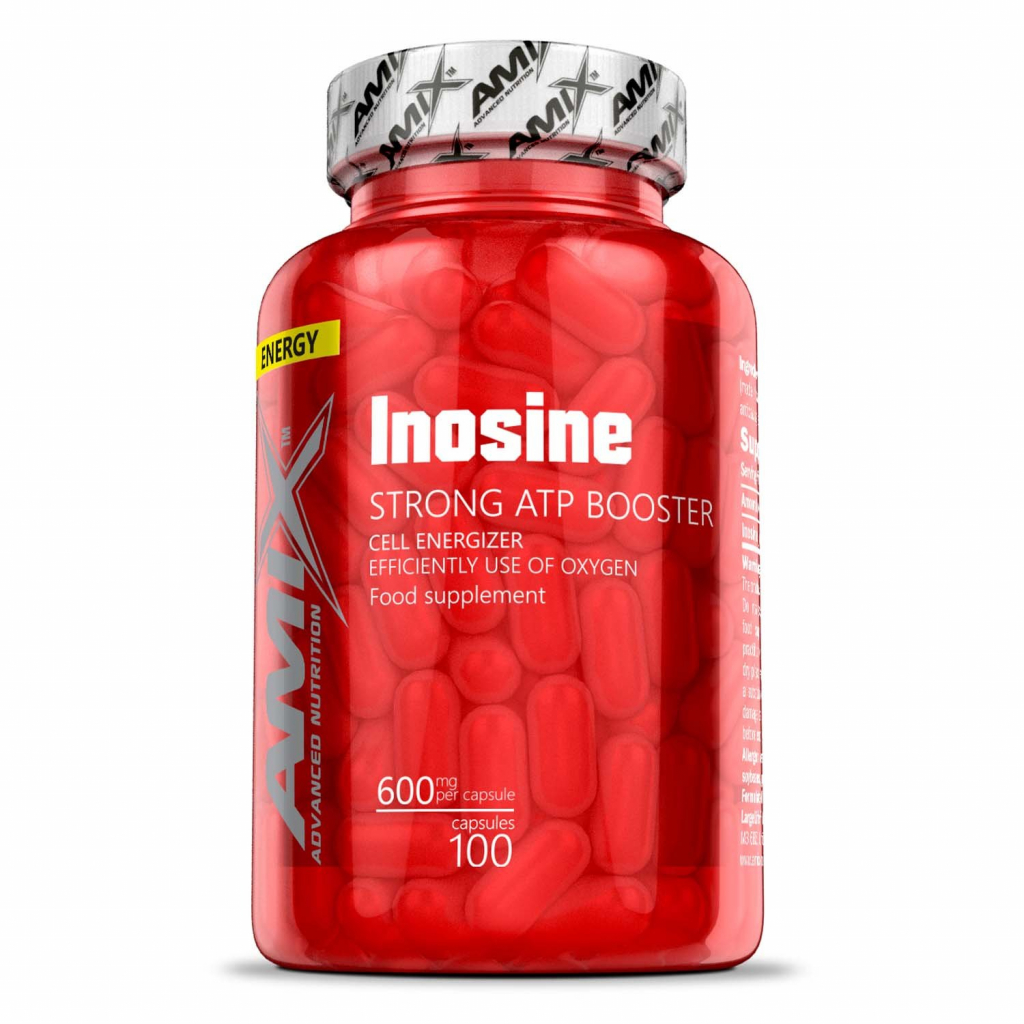
A convenient way to replenish this compound is a high-quality inosine supplement. For example, Amix Inosine 100 kaps provides a concentrated dose of inosine in capsule form, which is easy to fit into your daily routine and align with your training schedule.
It is important to understand here that inosine does not “create” energy out of nowhere – it helps the body use the resources it already has more efficiently. That is why you will achieve the best results by combining this supplement with quality sleep and an adequate calorie intake.
2. Improves athletic endurance and performance
Inosine has been of interest to athletes for several decades because it is linked to better endurance and physical performance. This compound’s ability to maintain ATP stores can help you sustain high intensity for longer in both strength and endurance sports.
Studies with athletes show that taking this purine derivative can improve performance during repeated high-intensity exercises. Although the results are not as pronounced as with creatine, for some people inosine helps them feel more energetic and sustain their workload longer without fatigue.
If your goal is greater strength and muscle mass, it is worth looking at other supplements as well. Read more about one of the most popular sports supplements in the article “Creatine: 7 Benefits for Muscles, Brain and Athletic Performance” – there we explained how creatine helps you complete more repetitions and build muscle faster.
3. Supports heart and cardiovascular health
Inosine also has heart-friendly properties. This purine nucleoside helps replenish the energy reserves of heart muscle cells, which is important when the heart is under greater strain or when its oxygen supply is disrupted.
In some countries, inosine is used as an auxiliary cardioprotective agent – it helps maintain a normal heart rhythm and reduces the risk of heart muscle damage during stress or heavy physical exertion. Of course, this does not mean that this supplement replaces treatment prescribed by a doctor, but it can be useful as an additional support measure.
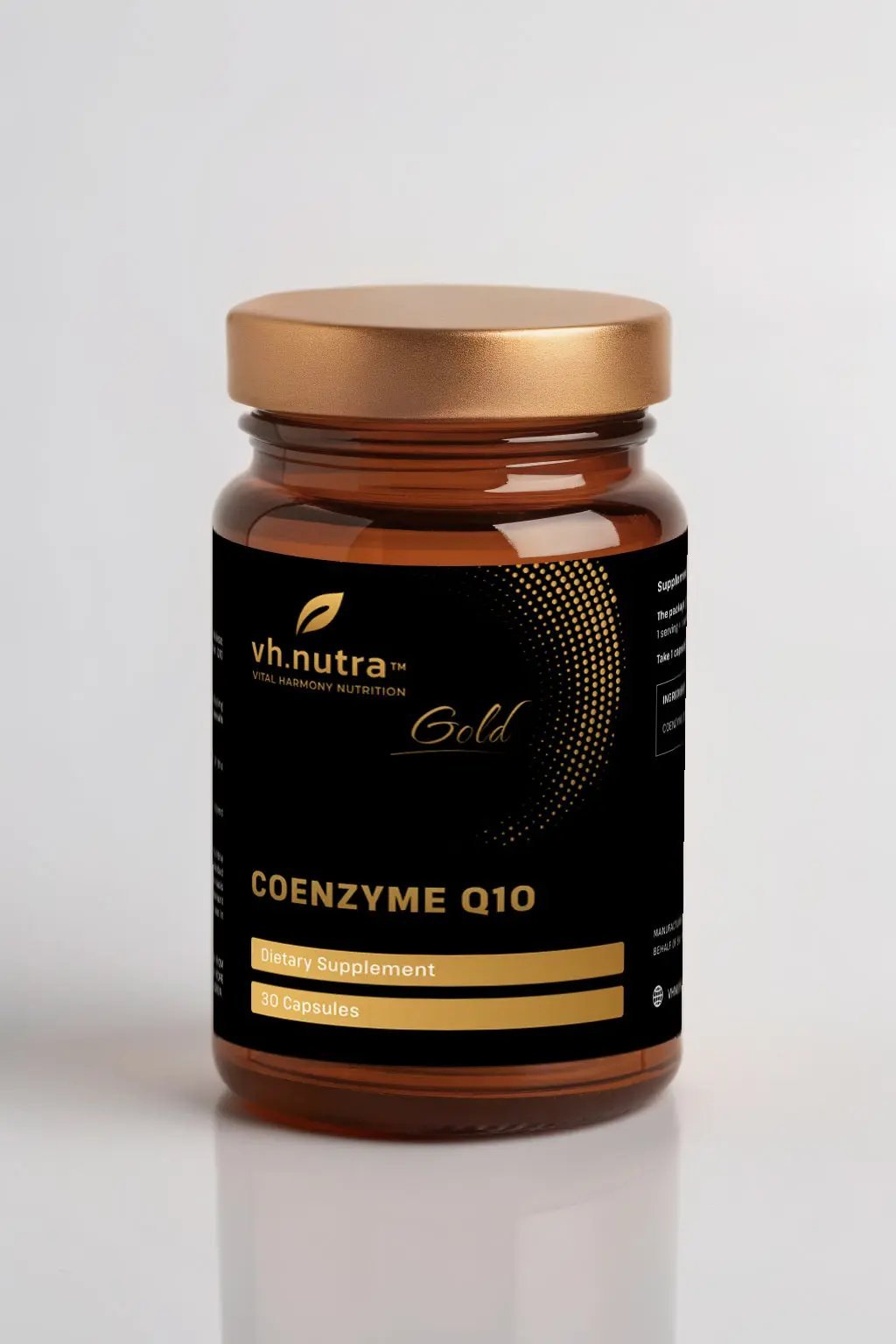
Coenzyme Q10, which also takes part in cellular energy production, is often recommended for heart and cardiovascular health. VH.Nutra Coenzyme Q10 100 mg is a powerful antioxidant that supports cellular energy production and normal heart function, so it can perfectly complement inosine.
4. Speeds up recovery after exercise
Fast recovery after training is one of the most important factors for progress. Inosine helps cells replenish their energy reserves and remove metabolic by-products more quickly, so muscles can prepare for the next load sooner.
After an intense workout, adenosine and other purine metabolism products accumulate in the body, and this purine nucleoside takes part in processing them back into useful forms. This mechanism can reduce muscle soreness and speed up overall recovery, especially when you train frequently or combine strength and endurance workouts.
Quality rest and nutrition will always be the foundation of recovery, but an inosine supplement can be a useful addition during periods of especially heavy load. Consistency is important here – a single dose will not produce a noticeable effect, while regular use can help you feel more refreshed even after tough workouts.
5. Improves oxygen utilization in muscles
One of the most interesting effects of inosine is linked to oxygen utilization. Studies show that this purine nucleoside can increase the level of 2,3-diphosphoglycerate (2,3-DPG) in red blood cells, and this substance helps the hemoglobin molecule release oxygen to tissues more easily.
In practice, this means that working muscles may receive more oxygen, which is especially important in endurance sports – running, cycling or swimming. Better oxygen delivery helps delay fatigue and maintain a higher work intensity for longer.
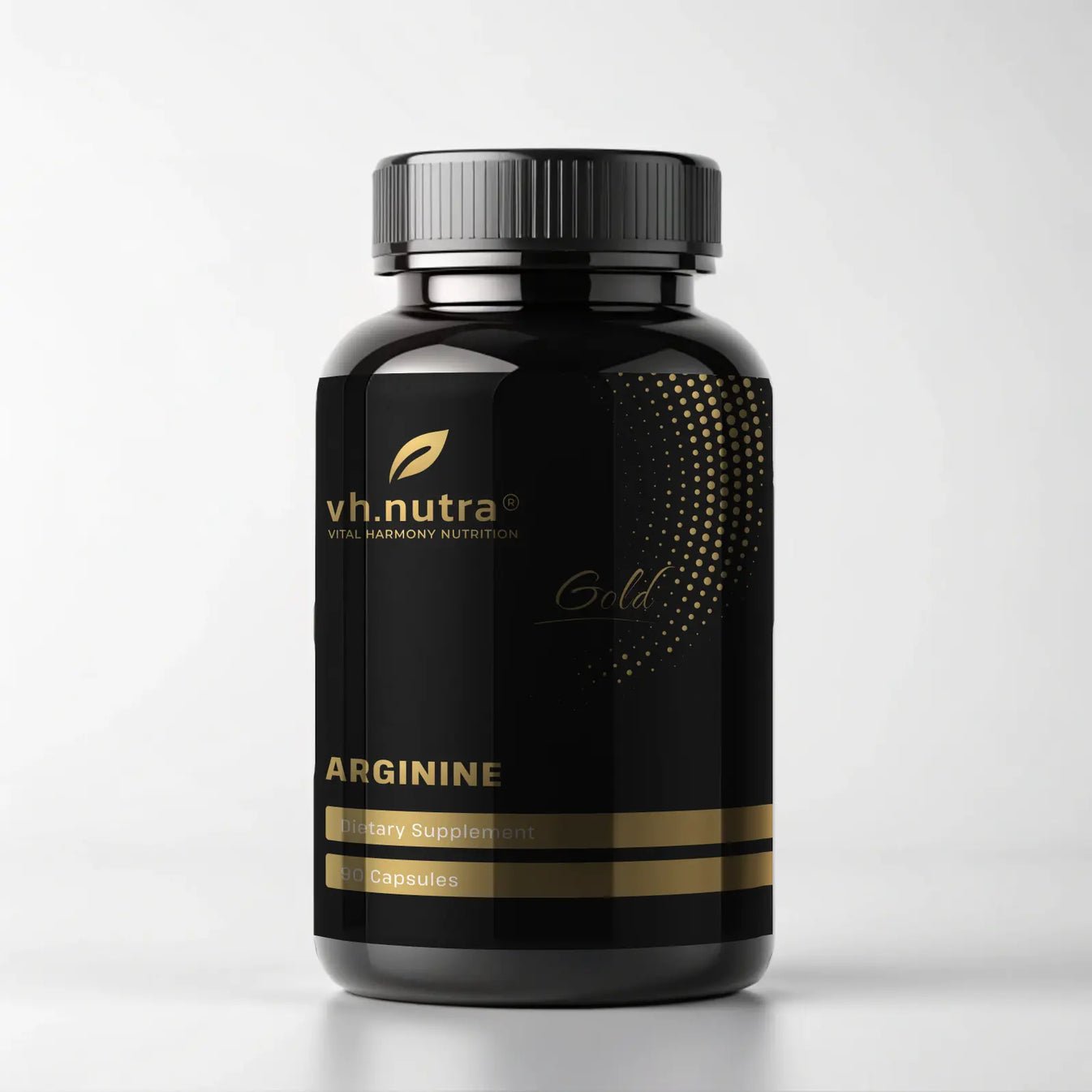
Nitric oxide, which arginine helps the body produce, is also important for circulation and oxygen delivery. VH.Nutra L-Arginine is a nitric oxide precursor that supports normal blood flow, which is why athletes often combine it with inosine to achieve the best endurance effect.
6. Supports the nervous system and brain function
Inosine is also studied for its effects on the nervous system. This purine derivative takes part in nucleotide metabolism in the brain and may contribute to the protection and renewal of nerve cells, which is why scientists are investigating it in the context of neurological conditions.
In addition, inosine is converted into uric acid in the body, which has antioxidant properties and can help protect nerve cells from oxidative stress. This effect may be one of the reasons why this compound is linked to better brain function and a slower decline in cognitive abilities.
Of course, sleep, movement and a balanced diet remain the most important factors for brain health. Inosine can only be an auxiliary measure here, not the main solution, so it is important not to get carried away with supplements alone and to take care of your overall lifestyle.
In practice, this means that inosine can be useful for people who want to maintain mental clarity and concentration – students, knowledge workers or older adults. However, research in this area is still ongoing, so the results should be viewed cautiously, without expecting rapid, dramatic effects.
7. Strengthens the immune system response
Inosine can also contribute to normal immune system function. This purine nucleoside takes part in cell division and growth processes, which are especially important for the rapidly dividing cells of the immune system.
During periods of intense training, the immune system is under greater strain, which is why athletes often look for ways to support it. Inosine, combined with proper rest and nutrition, can help maintain the body’s resistance and reduce the risk of falling ill after heavy training cycles.
It is important to mention here that inosine alone will not strengthen immunity – it works only as part of an overall health routine. If you train intensively, you should also ensure adequate sleep, protein intake and vitamin consumption so that your immune system functions optimally.
How to take inosine?
For inosine to work the way you want, it is important to take it correctly. Here are the main rules worth following.
Dosage. The usual recommended inosine dose is 500–1000 mg per day, and for active athletes it can be increased to 2000–3000 mg per day, divided into several servings. Beginners should start with a lower dose – around 500 mg – and observe how their body reacts.
When to take it. Inosine is most convenient to take before a workout, about 30–45 minutes before physical exertion, or by splitting the dose into two parts – in the morning and before training. This compound is well absorbed both with food and on an empty stomach, so it is easy to adapt it to your daily rhythm.
Duration. Inosine is not a cumulative supplement, so its effect is best felt with regular use, for example in 4–8 week cycles. After an intensive cycle, it is worth taking a short break so that the body does not get used to it and the supplement’s effect remains effective.
Maximum safe dose. Although inosine has no officially established maximum safe dose, most sources recommend not exceeding 3000 mg per day. Exceeding this limit increases the risk of digestive discomfort and elevated uric acid levels, so higher doses should only be taken after consulting a doctor or pharmacist.
StayStrong offers a convenient choice – Amix Inosine 100 kaps, which contains 100 capsules intended for athletes of all sports who place heavy strain on the cardiovascular system. This supplement is especially recommended for performance, energy and overall health support.
Possible side effects
Inosine is considered a safe supplement when taken at recommended doses, and most people tolerate it well. However, very high doses can cause digestive discomfort, nausea or stomach upset.
It is important to know that inosine is converted into uric acid in the body, so people with gout or a tendency toward uric acid accumulation should consult a doctor before taking this supplement. The same applies to people with kidney disease or those taking prescription medications.
For more official information about the chemical composition and properties of this compound, see the U.S. National Library of Medicine (PubChem) inosine entry. It provides detailed data on the compound’s structure, properties and scientific research.
Inosine and creatine – what you should know
Inosine and creatine are often mentioned together because both take part in energy metabolism, but they work slightly differently. Creatine increases phosphocreatine stores in muscles, which help rapidly regenerate ATP during the first seconds of intense effort.
Inosine, on the other hand, takes part in purine metabolism and helps regenerate ATP from adenosine and other compounds. These two supplements can work in a complementary way – creatine ensures rapid energy restoration, while inosine supports the overall purine and ATP metabolism cycle during prolonged effort.
Many athletes combine both supplements, but there is no strict need to do so. If you want to learn more about the benefits of creatine and how to take it correctly, read the article “Creatine: 7 Benefits for Muscles, Brain and Athletic Performance”.
Frequently asked questions
What is the recommended daily dose of inosine? The usual recommended dose is 500–1000 mg per day. For athletes seeking better endurance and performance, the dose can be increased to 2000–3000 mg per day, divided into several servings.
Is inosine safe? Yes, at recommended doses inosine is considered safe and well tolerated. However, people with gout or a tendency toward uric acid accumulation should consult a doctor before taking it, because inosine is converted into uric acid in the body.
When is the best time to take inosine? Inosine is most convenient to take before a workout, 30–45 minutes before physical exertion. The daily dose can also be split into two parts – in the morning and before training. Amix Inosine 100 kaps makes it easy to control your daily dose.
Does inosine help build muscle? Inosine does not directly promote muscle growth – its main benefit is linked to energy production, endurance and recovery. For building muscle mass, creatine or adequate protein intake is a more effective choice, while inosine can be useful as an additional measure for overall performance.
Inosine products at StayStrong.lt
StayStrong.lt offers a high-quality inosine supplement and energy and circulation supplements that pair perfectly with it:
Disclaimer: The information in this article is provided for educational purposes only and cannot replace professional medical advice. Before taking any dietary supplements, especially if you have chronic conditions or take prescription medications, always consult a doctor or pharmacist.