Contents
In short:
- Inositol is a vitamin-like compound that takes part in insulin signal transmission and maintaining hormonal balance in the body.
- The most common dose is 2000–4000 mg of myo-inositol per day, usually divided into two doses.
- The best natural sources are citrus fruits, melons, legumes and whole-grain products.
- It is most studied for its benefits in polycystic ovary syndrome, insulin sensitivity and mood support.
Inositol is a compound naturally found in the body that has become one of the most frequently discussed supplements in women’s health and metabolism in recent years. Although it is often called vitamin B8, it is actually a sugar alcohol that the body can produce on its own. In this article we will look at the seven most important benefits of inositol, explain how to take it correctly, which sources your diet contains and when it is worth considering supplements.
Key takeaways
- Inositol is best studied for its benefits in polycystic ovary syndrome – it can help restore ovulation and menstrual regularity.
- The 40:1 ratio of myo-inositol to D-chiro-inositol mirrors the body’s natural proportion and is most often considered optimal.
- Inositol acts as a second messenger in the insulin signal, helping maintain insulin sensitivity and normal blood sugar metabolism.
- It is naturally obtained from citrus fruits, melons, legumes and whole grains, but supplements allow a precise and consistent dose.
What is inositol?
Inositol is a natural compound, structurally similar to glucose, that is found in almost every cell of the body. Its highest concentration is in the brain, where inositol takes part in nerve signal transmission, and in cell membranes, where it acts as an important part of signalling pathways. It is precisely this role in signal transmission that determines most of its effects – from insulin action to mood regulation.
Two forms are most often used in supplements: myo-inositol and D-chiro-inositol. Myo-inositol is the most widespread form in the body and makes up the majority of supplements. D-chiro-inositol is formed from myo-inositol and has its own role, especially in ovarian tissue. Many studies use a combination of these two forms in a 40:1 ratio, because this is the proportion naturally found in the bodies of healthy women.
It is important to understand that inositol is not a medicine but a food supplement intended to support normal body functions. Its effect is not immediate – most people need several weeks or months of consistent use for noticeable results. It is a long-term support tool, not a quick fix.
1. Hormonal balance support
Inositol is closely linked to hormonal balance because it takes part in insulin signal transmission, and insulin in turn affects many other hormones. When the body’s cells respond well to insulin, the ovaries produce fewer male hormones (androgens), which helps maintain a healthy hormone balance. This is why inositol is most often mentioned in the context of women’s reproductive health.
Research shows that inositol deficiency may be linked to impaired insulin action and increased androgen production. Supplemental inositol helps restore this signalling pathway, allowing the body to regulate hormone levels better. This is especially relevant for women diagnosed with polycystic ovary syndrome or insulin-resistant conditions.
In practice, this can show up as a more regular menstrual cycle, less oily skin and a more stable mood. These changes appear gradually, so it is worth evaluating the result not after a few days, but after several cycles of consistent use. In this process inositol acts as a helper, not the only factor – diet, sleep and physical activity remain equally important.
2. Help with polycystic ovary syndrome
Polycystic ovary syndrome (PCOS) is one of the most common hormonal conditions among women of reproductive age, and inositol is one of the most studied supplements for this condition. Clinical studies show that taking inositol can help restore ovulation, regulate the menstrual cycle and reduce excess male hormones, which show up as acne or increased hair growth.
One of the most comprehensive reviews from 2026, summarising numerous randomised controlled trials, confirmed that inositol improves metabolic and reproductive markers in women with PCOS. You can read more about these results in the PubMed review on the effects of inositol in polycystic ovary syndrome.
The most common recommendation is to take myo-inositol together with D-chiro-inositol in a 40:1 ratio, because this combination best mirrors the body’s natural proportion. Some specialists state that this formula restores ovulation more effectively than myo-inositol alone. Nevertheless, the dose and form are best discussed with a doctor, especially if pregnancy is planned or hormonal medication is being taken.
3. Improving insulin sensitivity and blood sugar metabolism
One of the main mechanisms of inositol action is strengthening the insulin signal in cells. Inositol acts as a second messenger – when insulin binds to a cell, it is precisely the inositol compounds that carry the signal further into the cell interior. When inositol is lacking, this signal weakens and cells become less sensitive to insulin.
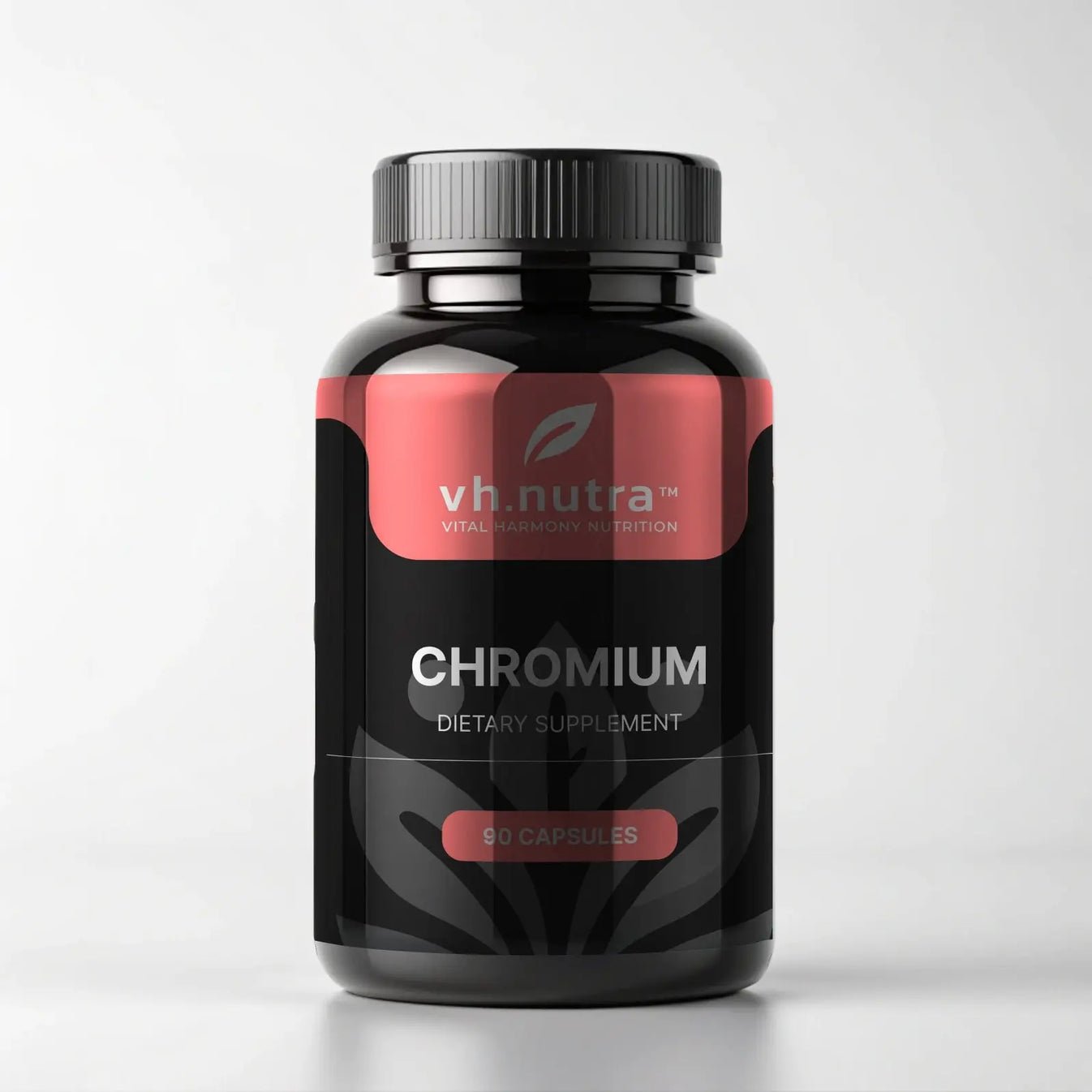
Better insulin sensitivity means that the body transports glucose from the blood into cells more efficiently, so blood sugar levels stay more stable. This matters not only for PCOS, but for everyone who wants to avoid sudden blood sugar swings and the fatigue and cravings for sweets that come with them. In this respect, inositol complements substances such as chromium, which also supports normal glucose metabolism.
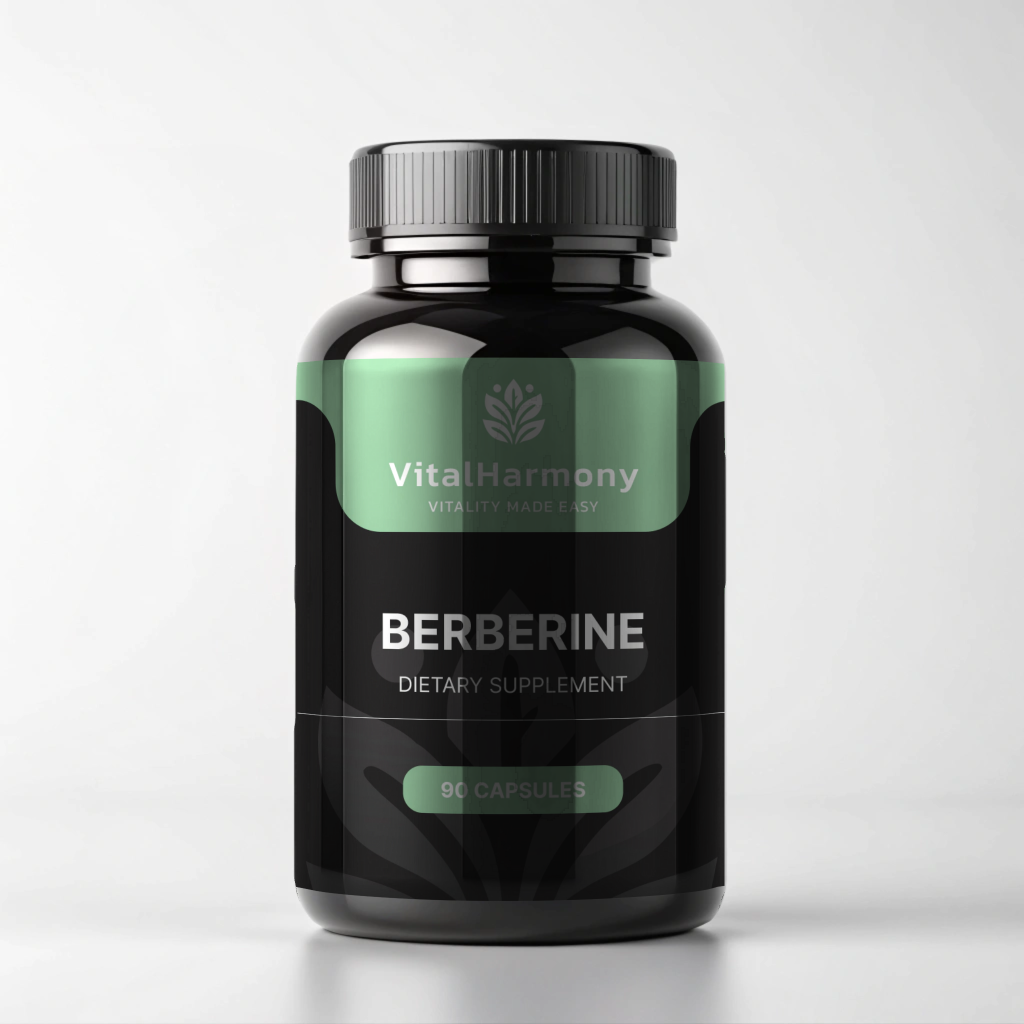
Although inositol is not intended to treat diabetes, some studies show it may be useful for people with signs of insulin resistance. It is worth mentioning berberine – a plant compound often compared to inositol for its similar effect on metabolism. These substances can work complementarily, but their combination is worth discussing with a specialist.
4. Supporting mood and emotional well-being
Inositol is most concentrated in the brain, so its role in mood regulation has been studied for a long time. In studies using high doses of inositol – as much as 12–18 grams per day – a positive effect on the symptoms of depression, anxiety and panic disorders was observed. Although these doses far exceed typical supplement doses, the results show that inositol can take part in the transmission of serotonin and other neurotransmitter signals.
Lower doses, such as those usually found in food supplements, can help maintain a more stable emotional state day to day. Inositol is often combined with other mood-supporting substances, and its gentleness allows long-term use without major side effects. Nevertheless, for serious mood disorders, supplements cannot replace a specialist consultation.
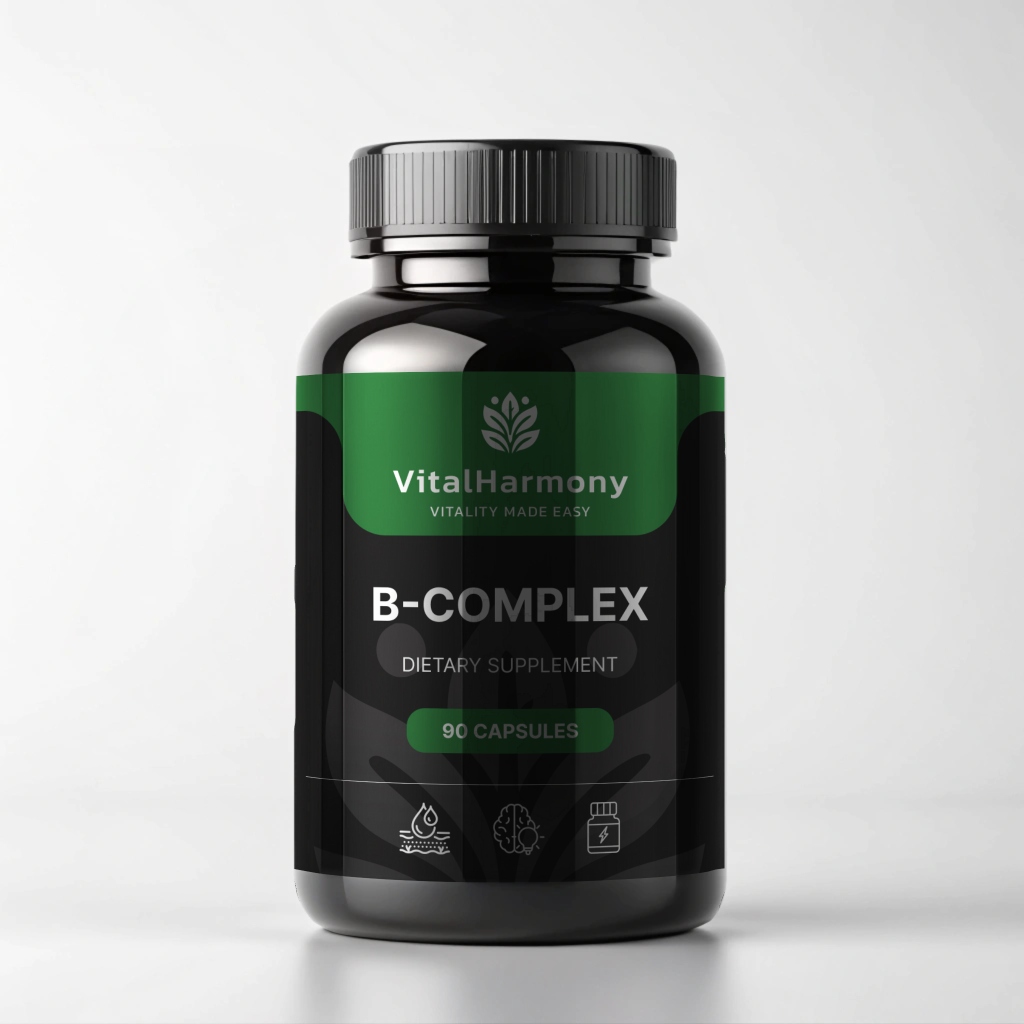
If your mood fluctuates more due to stress or fatigue, it is worth looking into B vitamins too – they also take part in nervous system function. Read more about this group in the article on B vitamins, which, together with inositol, support normal nervous system function.
5. Improving sleep quality
Although inositol is not a traditional sleep supplement, its calming effect on the nervous system can indirectly improve sleep quality. Stable blood sugar metabolism and a calmer emotional state help the body relax more easily in the evening, which is one of the most important conditions for good sleep. People whose sleep is disturbed by anxiety or racing thoughts sometimes notice that inositol helps them calm down before bed.
The effect of inositol on sleep is more indirect than, for example, that of melatonin, which directly regulates the circadian rhythm. If the main problem is falling asleep or a disrupted sleep cycle, melatonin may be a more precise choice. Inositol is better suited to those whose sleep is disturbed by hormonal imbalance or restlessness caused by blood sugar swings.
As with all supplements, it is important not to expect a quick result but to assess overall well-being after several weeks. Proper sleep hygiene – a consistent schedule, a dark and cool room, limiting screens – remains the foundation on which supplements can only add their contribution.
6. Supporting fertility and reproductive health
The PCOS-related benefits of inositol are directly linked to fertility as well. Once ovulation is restored and hormone balance is regulated, the chances of conceiving naturally increase. This is why inositol is often included in fertility support plans for women diagnosed with polycystic ovary syndrome or an irregular cycle.
Research shows that inositol can improve egg quality and overall reproductive function, because it takes part in the signalling pathways of ovarian follicle development. In some studies, taking inositol was associated with better outcomes in assisted reproduction procedures, although more data is still needed in this area.
If you are planning a pregnancy or already trying to conceive, be sure to discuss inositol use with your doctor. This is especially important because inositol can interact with hormonal medication, and the appropriate dose at the pregnancy-planning stage may differ from the usual maintenance dose.
7. Improving skin condition
Acne and oily skin are often a consequence of hormonal imbalance – increased androgen levels stimulate sebaceous gland activity. Because inositol helps reduce excess androgens by improving insulin sensitivity, it can indirectly improve skin condition as well. This link is especially visible in women whose acne is related to PCOS or hormonal fluctuations.
Although inositol is not a skincare product, its effect on hormone balance can be reflected in the skin – less oiliness, fewer inflammatory breakouts and a more even skin tone. This is a slow process that requires patience, but long-term restoration of hormone balance often yields a more stable result than topical skin treatment alone.
The skin also responds to the general state of the body, so the benefits of inositol for the skin are best seen together with a balanced diet and adequate water intake. If the cause of acne is not hormonal, inositol may be less effective – in that case it is worth looking for other causes together with a dermatologist.
How to take inositol?
The most commonly recommended daily dose of myo-inositol is 2000–4000 mg, best divided into two parts – for example, 1000–2000 mg in the morning and evening. Most PCOS studies used exactly these doses, and a higher amount does not necessarily mean a better result. If a combination with D-chiro-inositol is used, a 40:1 ratio is usually followed.
When is it best to take it? Inositol can be taken both with food and on an empty stomach, but it is often better tolerated with food. The exact time of day is not as important as consistency – choose a time that is easy to keep every day. The effect builds up gradually, so allow at least 2–3 months of consistent use to assess results.
For mood disorders, some studies used considerably higher doses – up to 12–18 grams per day, but such doses are only for clinical monitoring and are not recommended for self-use. About 4000 mg is considered the maximum safe daily dose without medical supervision, and exceeding this limit increases the risk of digestive upset.
Side effects and precautions
Inositol is generally well tolerated, and the most common side effects are mild – nausea, bloating, diarrhoea or dizziness. These symptoms usually occur at high doses and pass when the dose is reduced or the supplement is taken with food. More serious adverse reactions are rare.
Caution is needed for pregnant and breastfeeding women – although inositol is often studied precisely in the context of fertility and pregnancy, its use during these periods must be coordinated with a doctor. People taking medication for diabetes or mental health conditions should also consult, because inositol can affect the action of these medicines.
As with any supplement, stick to the manufacturer’s recommended dose and do not push the body towards extreme amounts. Inositol is a gentle, long-term support tool, not a quick fix – and this is exactly the approach that lets you use its benefits most safely.
Diet: natural sources of inositol
Inositol is naturally found in many plant-based products, so a balanced diet supplies the body with a certain amount of it. The best sources are citrus fruits, melons, legumes and whole-grain products. The amount of inositol obtained from food is not huge, but consistent consumption of these products helps maintain a steady level of it.
- Citrus fruits – oranges, grapefruits and lemons are among the best sources of inositol, and they are also rich in vitamin C.
- Melons and watermelons – sweet fruits that contain relatively high amounts of inositol, especially in the flesh of fresh, ripe fruit.
- Legumes – beans, peas and lentils provide inositol together with fibre and plant protein.
- Whole-grain products – oats, buckwheat and brown rice are a valuable source of inositol worth choosing over refined grains.
If you want to get a consistent and precise dose of inositol, supplements make it much easier than counting its amount in food. Multivitamins can be a good foundation for daily nutrition, but for specific needs, such as PCOS support, a separate inositol supplement is usually required.
It is worth noting that part of inositol can break down during heat treatment, so fresh fruit and minimally processed grains are more valuable than long-cooked dishes. This is another reason why, in practice, supplements become a more reliable way to ensure a steady amount of inositol.
FAQ: common questions
What is inositol and what is it for? Inositol is a vitamin-like compound that takes part in insulin signal transmission, nervous system function and maintaining hormonal balance in the body. It is most often linked to supporting polycystic ovary syndrome, insulin sensitivity and mood regulation.
What is the recommended daily dose of inositol? The most common recommendation is 2000–4000 mg of myo-inositol per day, divided into two doses. This is the dose used by most clinical studies, so it is worth following to expect a noticeable result.
Does inositol help with PCOS? Yes, it is one of the most studied supplements for polycystic ovary syndrome. Studies show that inositol can help restore ovulation, regulate the menstrual cycle and reduce excess androgens.
When will I feel the effect of inositol? Inositol is not a fast-acting tool, so most people notice the first changes after a few weeks, and the most stable result after 2–3 months of regular use. The most important thing is consistency.
Can inositol be taken with other supplements? Yes, inositol is often combined with other substances, such as B vitamins or minerals. If you combine it with substances that affect blood sugar metabolism, such as chromium, it is worth starting with lower doses and monitoring how you feel.
If you want to supplement your daily diet with substances that support blood sugar metabolism and energy, take a look at VH.Nutra Chromium 200 μg – it contributes to maintaining normal blood glucose levels. Alongside it, it is worth considering berberine, which is also linked to healthy blood sugar metabolism.
Disclaimer: This information is for educational purposes only. Before taking supplements, consult your doctor or pharmacist.
Related articles
- Chromium – 7 benefits for metabolism, blood sugar control and health
- Berberine – 7 benefits for metabolism, blood sugar control and health
- B vitamins – 7 benefits for energy, the nervous system and health