Psyllium husk is one of the most thoroughly researched natural fiber sources, recommended by nutrition specialists for decades. These fine, light-colored husks, obtained from the seeds of the Plantago ovata plant, can absorb up to 10 times their own weight in water. The result is a gentle yet highly effective effect on digestion, cholesterol levels and sugar metabolism.
Key Takeaways
- Psyllium husk – a natural soluble fiber that absorbs up to 10 times its weight in water and forms a protective gel in the gut.
- FDA-approved effect – regular psyllium intake can lower “bad” cholesterol and reduce the risk of heart disease.
- Gentle on the stomach – unlike some other fibers, psyllium husk is generally well tolerated and suitable for long-term use.
Contents
What Is Psyllium Husk?
Psyllium husk is the outer shell of the seeds of Plantago ovata, in which most of the valuable soluble fiber is concentrated. Unlike the seeds themselves, which are used for sprouting, the husks consist almost entirely of fiber and mucilage, giving them an exceptional ability to absorb water. It is precisely this property that explains why psyllium husk is so widely used as a dietary supplement.
Chemically, psyllium husk is dominated by arabinoxylans – soluble fibers that form a thick gel in water. In the digestive tract this gel acts like a natural “sponge”: it absorbs excess liquid, softens stools and slows down the movement of food. In this way psyllium helps regulate both constipation and diarrhea – a rare property that few fiber types can boast.
It is also worth noting that psyllium husk contains almost no calories and does not cause glucose spikes, so it can be safely included in the daily diet. More detailed information on psyllium composition and effects can be found in the authoritative MedlinePlus database.
When evaluating quality, it is important to choose a clean, additive-free product. The best supplements should be made from pure Plantago ovata fiber, without artificial sweeteners or flavorings. Such soluble fiber does its job best and is the least irritating to the digestive tract.
1. Improves Digestion
The main benefit of psyllium husk is supporting regular and comfortable digestion. Once in the gut, the husks absorb water and expand, increasing stool volume and softening its consistency. This mechanism helps naturally prevent constipation, one of the most common digestive problems in modern society.
Interestingly, psyllium works in both directions: in the case of diarrhea, the same gel absorbs excess water and thickens the stool. This is why psyllium husk is often recommended for people whose bowel rhythm fluctuates. Regular use helps achieve a stable, predictable routine without drastic measures.
For example, XXL Nutrition Psyllium Husk Fiber is a pure, additive-free psyllium source – just one serving provides a significant portion of the daily fiber intake and supports gentle yet reliable digestive function. This psyllium husk is valued for its neutral taste and easy mixing with water.
2. Helps Control Weight
Psyllium husk is a valuable ally in maintaining a healthy weight. Swollen in the stomach, the husks take up a lot of volume, so the feeling of fullness lasts longer and the urge to snack between meals naturally decreases. Research shows that taking psyllium before a meal can significantly reduce calorie intake.
In addition, the gel slows down gastric emptying and carbohydrate absorption, so blood sugar rises more gradually after a meal. This helps avoid sudden energy crashes and sugar cravings that often derail even the best weight-loss plans. The effect of psyllium husk on weight is indirect, but in the long term it is very significant.
In practice it looks like this: drinking a psyllium husk drink before the main meal naturally leads to a smaller portion. This habit requires neither strict diets nor calorie counting – psyllium simply makes it easier to stick to mindful eating every day.
3. Lowers Cholesterol Levels
This is one of the most scientifically backed benefits of psyllium husk. In the small intestine, soluble fiber binds with bile acids and cholesterol and removes them from the body. To produce more bile, the liver starts drawing cholesterol from the blood, which lowers total and “bad” (LDL) cholesterol levels.
The U.S. Food and Drug Administration (FDA) has officially confirmed that 7 grams of soluble fiber from psyllium per day can reduce the risk of heart disease. This is one of the few supplements with such a clear health claim. Regular psyllium husk intake is a simple and natural way to care for heart health every day.
The effect on cholesterol is usually noticeable after several weeks of regular psyllium husk use. To maintain the result, it is important to take this fiber continuously, because once you stop, cholesterol levels may gradually return to the starting point.
4. Stabilizes Blood Sugar Levels
Psyllium husk slows down carbohydrate digestion and glucose entry into the bloodstream, so blood sugar rises evenly rather than in spikes after a meal. This is especially useful for people with insulin resistance, type 2 diabetes or those who simply feel energy crashes after carbohydrate-rich food.
Clinical studies confirm that psyllium, taken with food, can lower the glycemic index and improve long-term blood sugar control. Stable glucose means less fatigue, better concentration and easier weight management – this is relevant not only for diabetics but also for active, athletic people.
For athletes, psyllium husk is also useful in another way – more stable glucose before training ensures steadier energy. Instead of a sudden sugar spike and rapid crash, the body receives a consistent energy source, which helps maintain good well-being throughout physical activity.
5. Feeds Gut Bacteria
Psyllium husk, although slowly, is fermented by gut bacteria, so it acts as a prebiotic. During fermentation, bacteria produce short-chain fatty acids, including butyrate, which feeds the cells of the gut lining and reduces inflammation. A healthy microbiome is the foundation of a strong immune system and good mood.
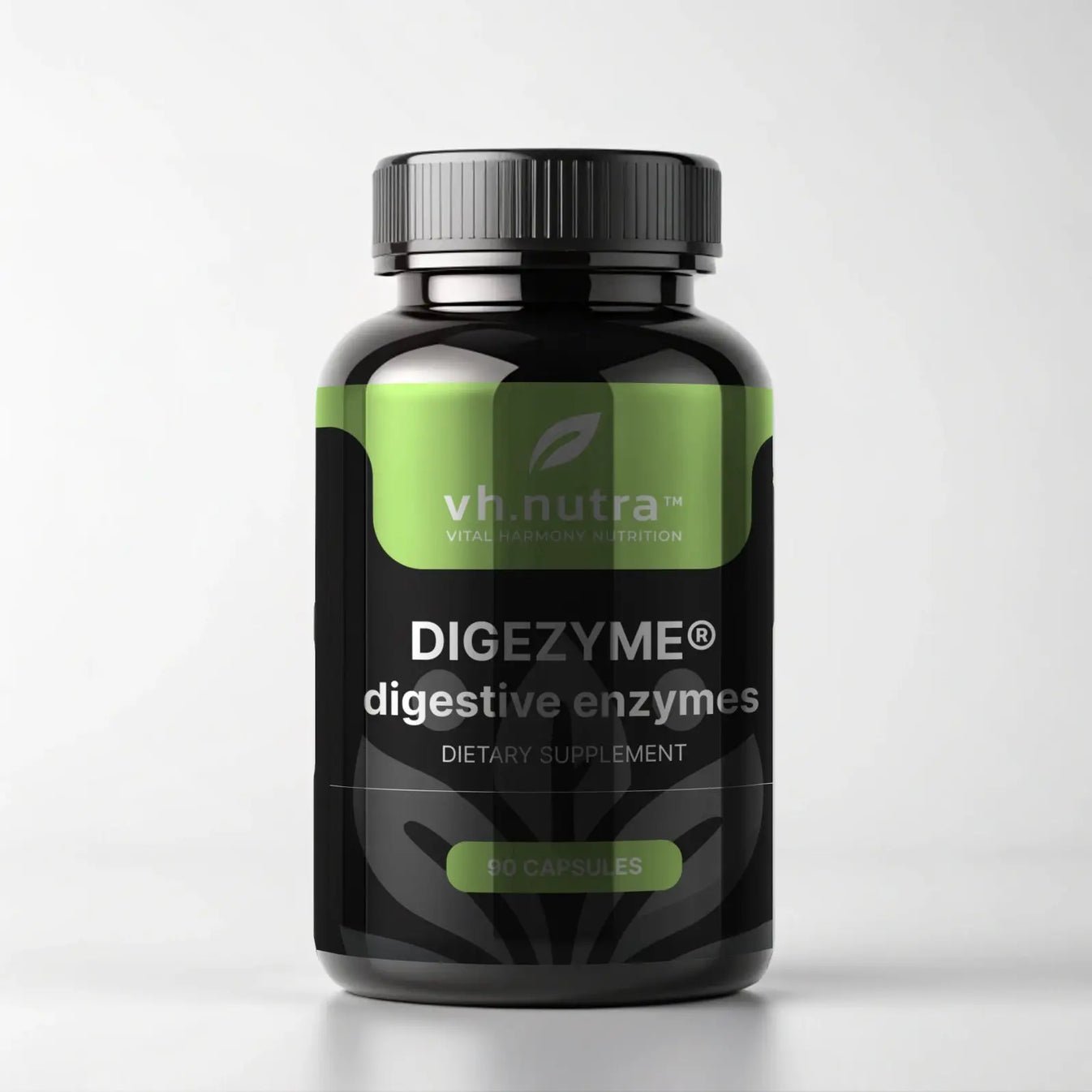
Unlike some other fibers, psyllium ferments gradually, so it is less likely to cause gas and bloating. This is why psyllium husk pairs well with VH.Nutra DigeZyme® digestive enzymes, which help break down nutrients more efficiently and support the entire digestive system.
6. Soothes Irritable Bowel Symptoms
Irritable bowel syndrome (IBS) is a common yet difficult-to-manage disorder characterized by abdominal pain, bloating and irregular bowel movements. Psyllium husk is considered a first-line remedy because it helps regulate stool consistency regardless of whether you suffer from constipation or diarrhea.
Because psyllium is gentle and minimally fermented, it rarely causes the discomfort that other fibers can. That is why psyllium husk is often included in IBS management plans as a safe, long-term measure that helps bring calm and predictability back to the gut.
Although psyllium husk does not suit every IBS sufferer equally, for most it becomes part of a daily routine that helps reduce the frequency of symptoms. The key is to start with a low dose and observe the body’s response to find the amount that works best for you.
7. Supports Heart and Cardiovascular Health
In addition to lowering cholesterol, psyllium husk contributes to heart health in other ways. By maintaining stable blood sugar and a healthy body weight, it reduces two major risk factors for heart disease. Moreover, a healthy gut and lower systemic inflammation have a positive effect on blood vessel condition.
Regular fiber intake is associated with lower blood pressure and better overall cardiovascular function. Once psyllium husk becomes part of your daily routine, caring for the heart becomes a simple habit that does not require major lifestyle changes.
Moreover, taking psyllium husk often encourages other healthy habits – better fluid intake and greater attention to nutrition. This indirect effect, together with the direct benefit for cholesterol and blood sugar control, makes psyllium a valuable long-term heart-prevention tool.
How to Take Psyllium Husk?
Recommended dose: It is usually recommended to start with 5 grams (about one teaspoon) of psyllium husk per day and gradually increase to 10–15 grams, divided into several servings. Starting with a low dose allows the digestive system to adapt without discomfort.
When to take: Psyllium husk is best taken before a meal with a large glass of water (250–300 ml). If your goal is satiety, take it 20–30 minutes before eating. It is important to drink enough liquid, because the husks swell precisely in water.
Duration of use: Psyllium husk can be taken continuously, just like other dietary fibers – it is not a course-based supplement but part of daily nutrition. If you take medication, leave at least a 2-hour gap, because psyllium can slow the absorption of some medicines.
Maximum safe dose: Although no strict upper limit has been set, more than 30 grams per day without enough water can cause bloating or discomfort. StayStrong offers a convenient option – XXL Nutrition Psyllium Husk Fiber, which is easy to dose and mix with water, juice or a smoothie.
Possible Side Effects
Psyllium husk is generally well tolerated, especially when the dose is increased gradually. The most common side effects are mild bloating and gas, which appear in the first days of use and usually pass as the body adapts. These symptoms can be avoided by drinking enough water.
More serious problems are extremely rare and are usually related to insufficient fluid intake – for example, dry psyllium can cause choking or intestinal blockage. People with Crohn’s disease, ulcerative colitis or intestinal narrowing should consult a doctor before starting psyllium husk.
Pregnant or breastfeeding women, as well as people taking diabetes or heart medication, should consult a specialist before taking this fiber. The ability of psyllium husk to slow absorption may affect how some medicines work.
Psyllium Husk and Gut Health — What You Should Know?
Gut health is the foundation of the whole body’s well-being, and psyllium husk plays a dual role here. First, it mechanically regulates bowel movements and cleanses the gut. Second, as a prebiotic, it feeds beneficial bacteria, which in turn produce substances that protect the gut lining.
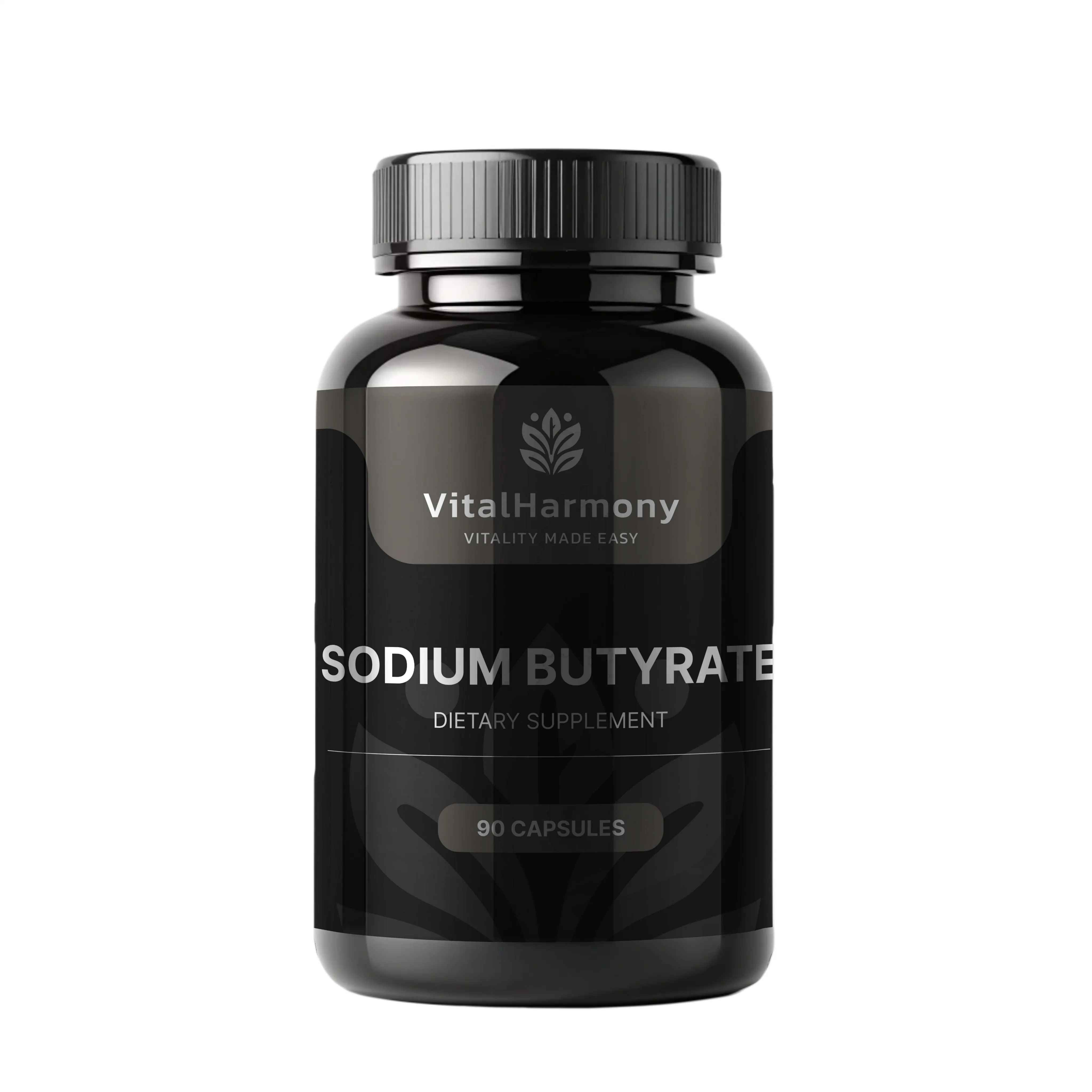
To support the gut as much as possible, fiber is worth combining with other digestion-supporting measures. For example, VitalHarmony Sodium Butyrate supplies butyrate directly, while digestive enzymes help absorb nutrients better. This combination creates a solid foundation for healthy digestion.
Regular psyllium husk intake also helps maintain a healthy bowel rhythm, which is directly linked to better overall well-being. When the gut works smoothly, the body absorbs nutrients more efficiently, and immunity and mood improve.
Frequently Asked Questions
How does psyllium husk differ from other fibers?
Psyllium husk is almost entirely soluble fiber that forms a gel and works in both directions – helping with both constipation and diarrhea. Many other fibers (such as bran) are insoluble and mainly increase stool volume. Read more about fiber types in our fiber overview.
Does psyllium husk help with weight loss?
Yes, indirectly. Swollen in the stomach, psyllium husk provides a long-lasting feeling of fullness and helps reduce calorie intake. However, it is not a “miracle” fat burner – the best results are achieved by combining it with a balanced diet and physical activity.
When is the best time to take psyllium husk – morning or evening?
There is no single correct answer – it all depends on your goal. In the morning or before a meal – for satiety and blood sugar control, in the evening – for gentle gut work overnight. The most important thing is to drink enough water and stay consistent. A convenient choice is XXL Nutrition Psyllium Husk Fiber, which can be taken at any time of day.
Can psyllium husk replace fiber from food?
It is best to get fiber from natural food – vegetables, fruits, whole grains and legumes. Psyllium husk is an additional source that helps you reach the daily target when food alone is not enough. It complements rather than replaces a balanced diet.
Disclaimer: This information is for educational purposes only and cannot replace professional medical advice. Before taking any dietary supplements, be sure to consult a doctor or pharmacist.
Related Articles
- Fiber: 7 Benefits for Digestion, Weight Control and Health
- Digestive Enzymes: 7 Benefits for Digestion, Energy and Health
- Sodium Butyrate: 7 Benefits for Gut Health, Digestion and Immunity