Glucosamine — a natural amino sugar that serves as the main building material of joint cartilage in the body. This compound participates in the production of glucosaminoglycan — a substance that gives cartilage elasticity and resistance to pressure. With age, the body’s natural production of glucosamine declines, making joints more susceptible to wear, cracking, and pain. Quality glucosamine supplements can help maintain joint health, mobility, and an active lifestyle even into mature age.
Key Takeaways
- Glucosamine — the main building material of cartilage, whose production in the body declines after age 30
- Scientifically studied dose — 1500 mg of glucosamine sulfate per day can reduce joint pain within 4–8 weeks
- Synergy strengthens the effect — glucosamine is most often combined with chondroitin, MSM, collagen, and hyaluronic acid
- Patience is required — joint changes are assessed after 6–12 weeks of consistent use
Contents
What Is Glucosamine?
Glucosamine is an amino sugar that the human body naturally produces from glucose and glutamine. This substance is essential for the synthesis of proteoglycans — large complexes of proteins and sugars that form the framework of cartilage. Cartilage is an elastic tissue that covers the ends of joints and protects bones from friction during movement. Without a sufficient amount of glucosamine, cartilage thins, loses moisture, and its ability to absorb shocks diminishes.
The amount of glucosamine produced by the body decreases with age — it is believed that after age 30, the cartilage’s capacity to regenerate weakens every year. That is why glucosamine supplements are often chosen as a preventive measure to support joints. This compound is found in food only in limited amounts — in shellfish shells and bone broth — so diet rarely covers the increased needs of joints. This is exactly why supplements are the most practical way to ensure a stable glucosamine level in the body. To learn more about compounds beneficial to joints, read our article about collagen benefits for skin and joints.
1. Cartilage Restoration and Protection
The main benefit of glucosamine is its participation in the cartilage restoration process. This amino sugar is the direct raw material for chondrocytes — the cartilage cells that produce new cartilage tissue. When the body lacks glucosamine, cartilage renewal slows down, and breakdown can outpace restoration. Additional glucosamine intake provides the body with the building materials needed to maintain cartilage integrity.
Research shows that regular use of glucosamine sulfate can help maintain cartilage thickness and slow the narrowing of the joint space, which is one of the main signs of osteoarthritis. Cartilage protection is especially important for people who put constant strain on their joints — runners, weightlifters, and those who spend a lot of time standing. It is important to understand: cartilage has no blood vessels, so its restoration is a slow process that requires a consistent supply of glucosamine.
2. Joint Mobility and Flexibility
The second important benefit of glucosamine is maintaining joint mobility and flexibility. Inside the joint there is synovial fluid, which lubricates the joint and allows smooth movement. Glucosamine also participates in the production of this fluid’s components, so it can help maintain proper joint “lubrication” quality. People taking glucosamine often notice that their joints are less stiff in the morning after waking up, and movements feel freer.
The mobility benefit is especially relevant at an older age, when morning stiffness becomes a daily companion. Glucosamine does not replace physical activity, but it can help you feel more comfortable moving in everyday activities — climbing stairs, sitting down and getting up, or playing with grandchildren. In addition, better joint flexibility reduces the risk of injury, because the body can react more freely to unexpected movements. An adequate intake of calcium and vitamin D is also important for maintaining joint mobility — find out more in the article about calcium benefits for bones and muscles.
3. Joint Pain Reduction
One of the most scientifically studied benefits of glucosamine is the reduction of joint pain. Reviews of clinical trials show that people taking glucosamine sulfate experience less joint pain and discomfort compared with the placebo group. The effect is especially noticeable in mild to moderate knee osteoarthritis. Pain reduction usually becomes visible after 4–8 weeks of consistent use.
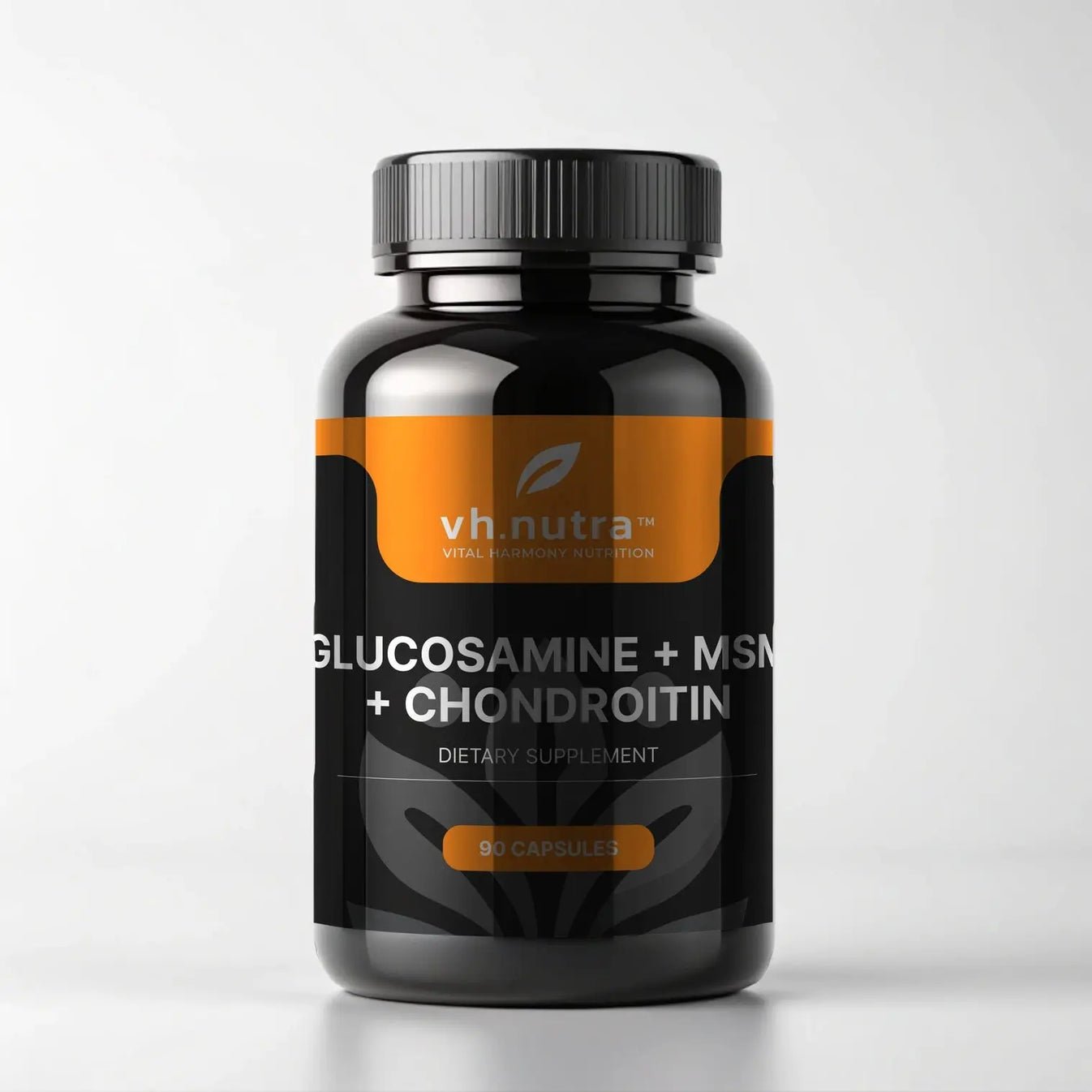
Glucosamine works differently from pain-relieving medications — it does not suppress pain signals but rather eliminates one of the causes of pain: cartilage degradation and the associated inflammation. For this reason, the effect develops gradually but can be long-lasting. For example, VH.Nutra Glucosamine + MSM + Chondroitin combines three joint-beneficial compounds in a single capsule, so that the pain-reducing and cartilage-supporting effect is comprehensive.
4. Managing Osteoarthritis Symptoms
Osteoarthritis is the most common joint disease, manifesting as cartilage degradation, pain, and restricted movement. Glucosamine is one of the most researched natural compounds for managing osteoarthritis symptoms. The National Institutes of Health (NIH) note that studies of glucosamine sulfate show potential benefit for knee osteoarthritis pain and function, although results vary depending on the study. More detailed scientific information can be found in the NIH glucosamine review.
It is important to emphasize that glucosamine is not a cure for osteoarthritis and cannot restore already destroyed cartilage. However, it can help slow the progression of the disease and improve daily function — making it easier to climb stairs, walk longer distances, and perform everyday tasks. The best results are achieved by starting early, while joint damage is still limited. For people experiencing osteoarthritis symptoms, glucosamine often becomes the first natural step before stronger treatment.
5. Slowing Joint Wear and Tear
The fifth benefit of glucosamine is long-term protection of joints from wear and tear. Every step, run, or weightlifting session causes micro-damage to the joints, which the body constantly repairs. When restoration processes keep up with the damage, the joint remains healthy. Glucosamine helps maintain this balance by providing cartilage cells with the building materials they need. Long-term use can help prevent serious joint wear in later years.
This aspect is especially important for people who are overweight, because every extra kilogram puts additional strain on the knees and hips. Weight loss combined with glucosamine use is one of the most effective joint protection combinations. It is also worth remembering that joint health depends on the overall condition of the body — a balanced diet, adequate water intake, and regular movement strengthen glucosamine’s effect. Prevention is always simpler than treatment, so it is worth taking care of your joints while they still do not hurt.
6. Supporting Athletes’ Recovery
Actively training people put considerably more strain on their joints than the average person, which makes glucosamine especially relevant for them. Running, basketball, football, or strength training create constant joint stress, and insufficient recovery can end in burnout, inflammation, or chronic pain. Glucosamine supplements help ensure that cartilage has enough materials for restoration after intense workouts.
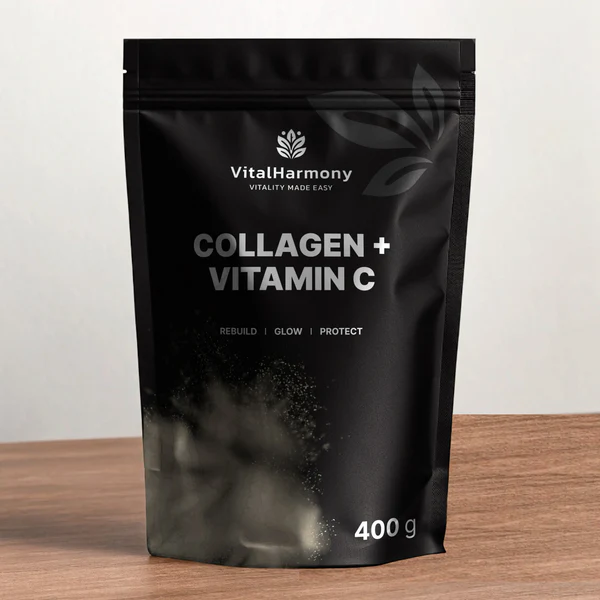
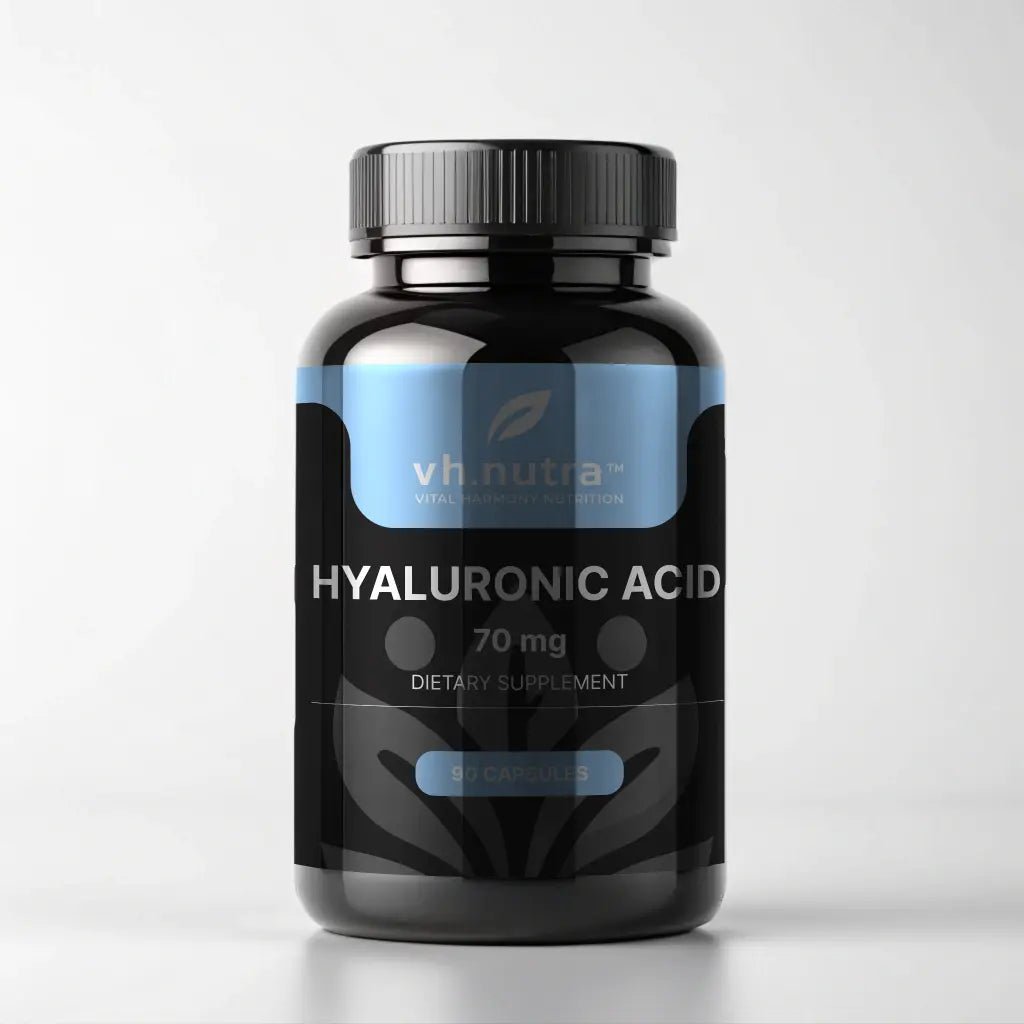
Athletes can also benefit from combining glucosamine with collagen, which supports tendons and ligaments, and hyaluronic acid, which helps maintain the quality of synovial fluid. This combination is especially popular among runners and strength athletes who want to keep their joints healthy throughout their sporting career. More practical advice can be found in the article about the best supplements for joints for athletes. If your joints hurt after workouts, it is also worth reviewing your overall recovery routine — sleep, nutrition, and rest days.
7. Synergy with Chondroitin and MSM
The seventh benefit of glucosamine unfolds in combination with other compounds intended for joints. Chondroitin is another cartilage component that helps retain water in cartilage tissue and gives it shock-absorbing properties. MSM (methylsulfonylmethane) — a source of organic sulfur that supports the structure of connective tissue. Together, these three compounds act at different levels and strengthen each other’s effects.
This is exactly why complex supplements are often a more convenient choice than single ingredients — there is no need to combine several bottles and calculate separate doses. For example, VH.Nutra Glucosamine + MSM + Chondroitin combines all three joint-beneficial compounds in a single capsule. Such a complex suits both prevention and reducing already-felt discomfort, and the convenience of use helps maintain the consistency that is the key to results.
How to Take Glucosamine?
Recommended dose: 1500 mg of glucosamine sulfate per day, divided into 2–3 doses of 500–750 mg. When taking complex supplements, follow the manufacturer’s instructions on the packaging.
When to take: the best time to take glucosamine is with a meal or immediately after a meal — this reduces the risk of possible stomach discomfort and improves absorption. Doses can be spread evenly throughout the day: morning, midday, and evening.
Duration of use: glucosamine is not a fast-acting remedy — assess results after 6–12 weeks of consistent use. Many people take glucosamine in long-term courses of 2–3 months with breaks, but the optimal schedule depends on individual needs.
Maximum safe dose: doses of up to 3000 mg per day used in studies were well tolerated, but doses higher than 1500 mg have no proven additional benefit. Before taking higher doses or combining them with medications, be sure to consult your doctor. StayStrong offers VH.Nutra Glucosamine + MSM + Chondroitin — a convenient complex with a clear composition and a recommended daily dose.
Possible Side Effects
Glucosamine is well tolerated by most people, but like any supplement, it can cause side effects. The most common are mild digestive disturbances — bloating, diarrhea, nausea, or heartburn, especially when taken on an empty stomach. In rare cases, headache, skin rash, or drowsiness may occur. These symptoms usually resolve after reducing the dose or starting to take it with food.
People with diabetes should consult their doctor before starting to take glucosamine, as some studies suggest a possible effect on insulin sensitivity. Since most glucosamine supplements are made from shellfish shells, people allergic to seafood should choose vegetarian forms of glucosamine or avoid supplements altogether. Pregnant and breastfeeding women, as well as people taking blood-thinning medications, must consult a doctor before use.
Glucosamine and Chondroitin — What’s Important to Know?
Glucosamine and chondroitin are the most commonly used joint supplements taken together, so it is worth understanding their differences. Glucosamine is the building material of cartilage, while chondroitin is a large molecule that retains water in cartilage and gives it shock-absorbing properties. Scientific studies most often evaluate the combination of these two compounds, because they act complementarily rather than duplicating each other.
Study data on the effectiveness of chondroitin is mixed — some studies show benefit for pain reduction, while others find no significant difference from placebo. Nevertheless, the combination with glucosamine remains popular and is often recommended in medical practice. In the clinical GAIT study, which involved nearly 1600 patients, the combination of glucosamine and chondroitin showed significant pain reduction in patients with moderate knee osteoarthritis. When choosing a supplement, pay attention to a clear composition and evidence-based doses.
Frequently Asked Questions
Is glucosamine suitable for young people?
Yes — glucosamine can be beneficial for people of any age who experience joint discomfort or train intensively. Young people put strain on their joints through an active lifestyle, so preventive glucosamine use can help avoid problems in the future.
Does glucosamine help when cartilage is already damaged?
Glucosamine cannot restore completely destroyed cartilage, but it can help slow further degradation and reduce pain and stiffness. The best results are achieved by starting as early as possible, while joint damage is still limited.
What is the difference between natural and synthetic glucosamine?
Most supplements obtain glucosamine from shellfish shells, but there are also vegetarian options produced by fermentation from corn. The molecular structure is identical, so effectiveness does not differ — the most important thing is to choose a form that suits your dietary habits and allergies.
Can glucosamine be combined with collagen and hyaluronic acid?
Yes, this combination is considered one of the most effective for joint support. Glucosamine takes care of cartilage restoration, collagen supports tendons and ligaments, and hyaluronic acid supports the quality of synovial fluid. Read more about the benefits of hyaluronic acid in the article hyaluronic acid for skin and joints.
Disclaimer: This information is intended for educational purposes only and cannot replace professional medical consultation. Before starting to take any dietary supplements, be sure to consult a doctor or pharmacist.