Ginseng — one of the world’s most well-known herbal adaptogens, used for centuries to support energy, focus and immunity. The root of this plant has been valued in traditional Eastern medicine for more than two thousand years, and today ginseng’s effects are also studied by modern science. If you are looking for a natural way to improve your well-being and resilience to everyday stress, ginseng supplements can be an excellent choice.
Key Takeaways
- Ginseng — an adaptogen whose active compounds, ginsenosides, support energy and reduce fatigue.
- Focus — research shows that ginseng extract can improve mental performance and memory.
- Immunity — regular ginseng use may shorten the duration of common colds.
- Dosage — typically 200–400 mg of standardized extract per day is recommended.
Contents
What Is Ginseng?
Ginseng is a perennial plant whose scientific name is Panax ginseng. The word “panax” comes from Greek and means “cure-all”, which perfectly reflects the broad effect this plant has on the body. The main value of ginseng lies in its root, where the active compounds — ginsenosides — accumulate.
It is precisely the ginsenosides that are considered the most important ginseng compounds, responsible for most of its beneficial effects. Asian ginseng is divided into white and red — the latter is obtained by steaming the root, which produces different, often stronger ginsenoside profiles. Therefore, when choosing a supplement, pay attention not only to the amount of ginseng but also to the standardization of ginsenosides. A more detailed, scientifically based overview of ginseng’s effects can be found on the NCCIH — a division of the U.S. National Institutes of Health page.
Several types of ginseng are commonly found on the market: Asian (sometimes called Korean), the American variety (Panax quinquefolius) and Siberian ginseng. It is important to know that Siberian ginseng is actually a different plant — eleuthero, which has similar but not identical properties. When choosing ginseng, it is worth checking which species of root is used in the supplement, as each variety has a slightly different ginsenoside composition.
7 Ginseng Benefits for Energy, Focus and Immunity
Ginseng’s effect on the body is broad — from energy and mental performance to immunity and glucose metabolism. Here are the seven most important ginseng benefits, supported by both traditional use and scientific research.
1. Boosts energy and reduces fatigue
Ginseng is best known as a natural source of energy. Unlike caffeine, which provides a quick but short energy burst, ginseng’s effect builds gradually and lasts longer. This adaptogen helps the body adapt better to physical and mental load, so fatigue is felt less often and less intensely.
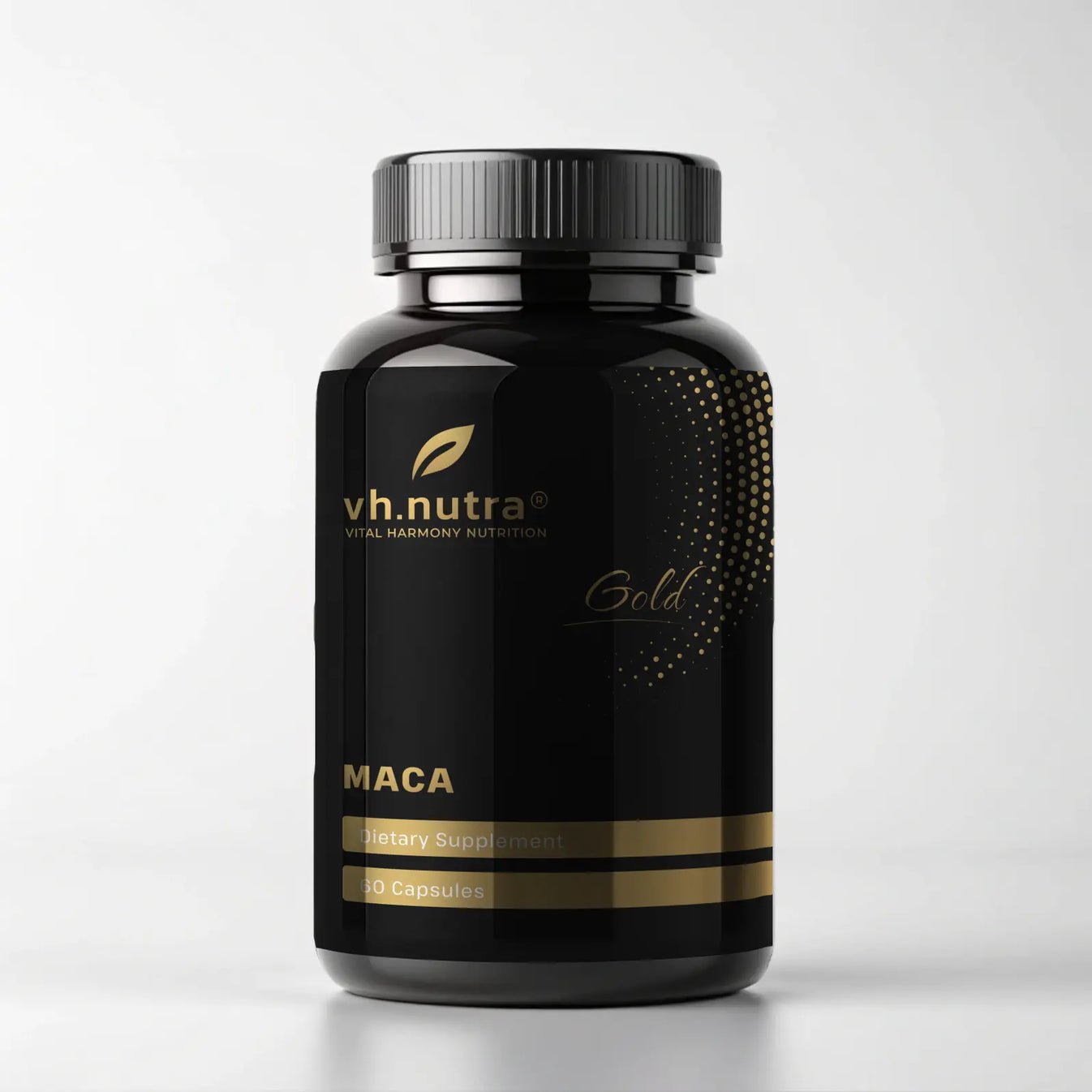
Research shows that regular ginseng use can reduce symptoms of chronic fatigue, especially in people under heavy work or training load. If you are looking for a gentler alternative to coffee, ginseng can be a suitable choice — similar to other adaptogens offered by StayStrong, such as VH.Nutra Maca 600 mg.
Another advantage of ginseng over caffeine is that it does not block adenosine receptors, so it does not cause tolerance and does not require ever-increasing doses to achieve the same effect. This means you can take ginseng for longer without constantly increasing the amount, while your energy level stays stable throughout the day.
2. Improves focus and mental performance
Ginseng’s benefit for mental performance is one of the most scientifically researched areas. Ginsenosides can improve attention, memory and reaction speed, which is why ginseng is often recommended for students and people doing intensive mental work.
In one study, participants who took ginseng extract demonstrated better results on cognitive tests than the placebo group. Ginseng’s ability to improve mental clarity without the agitation caused by caffeine makes it an attractive choice for those who want to stay focused all day.
Some research shows that ginseng can be especially beneficial for older adults seeking to maintain mental sharpness. Ginseng is also often included in so-called nootropic blends aimed at supporting mental clarity and focus during intense work or study periods.
3. Strengthens immunity
Ginseng is traditionally used to strengthen the immune system, and modern research confirms this effect. Ginsenosides can stimulate the activity of immune cells and help the body fight infections more effectively. Some studies show that regular ginseng use can shorten the duration of colds and reduce their severity.
Ginseng is especially useful during the cold season, when the immune system is under the greatest load. Combining ginseng with vitamin C and zinc can create a strong defense barrier that helps you stay healthy even during flu season.
This Eastern root is also traditionally used for cold prevention. Some research shows that taking this adaptogen regularly can reduce the risk of respiratory infections. If you catch colds often, this plant’s extract can become a valuable tool for immune support during the cold season.
4. Helps the body cope with stress
As an adaptogen, ginseng helps the body adapt to various forms of stress — both physical and emotional. Ginseng extract can regulate the levels of stress hormones, such as cortisol, and help maintain inner balance during difficult periods.
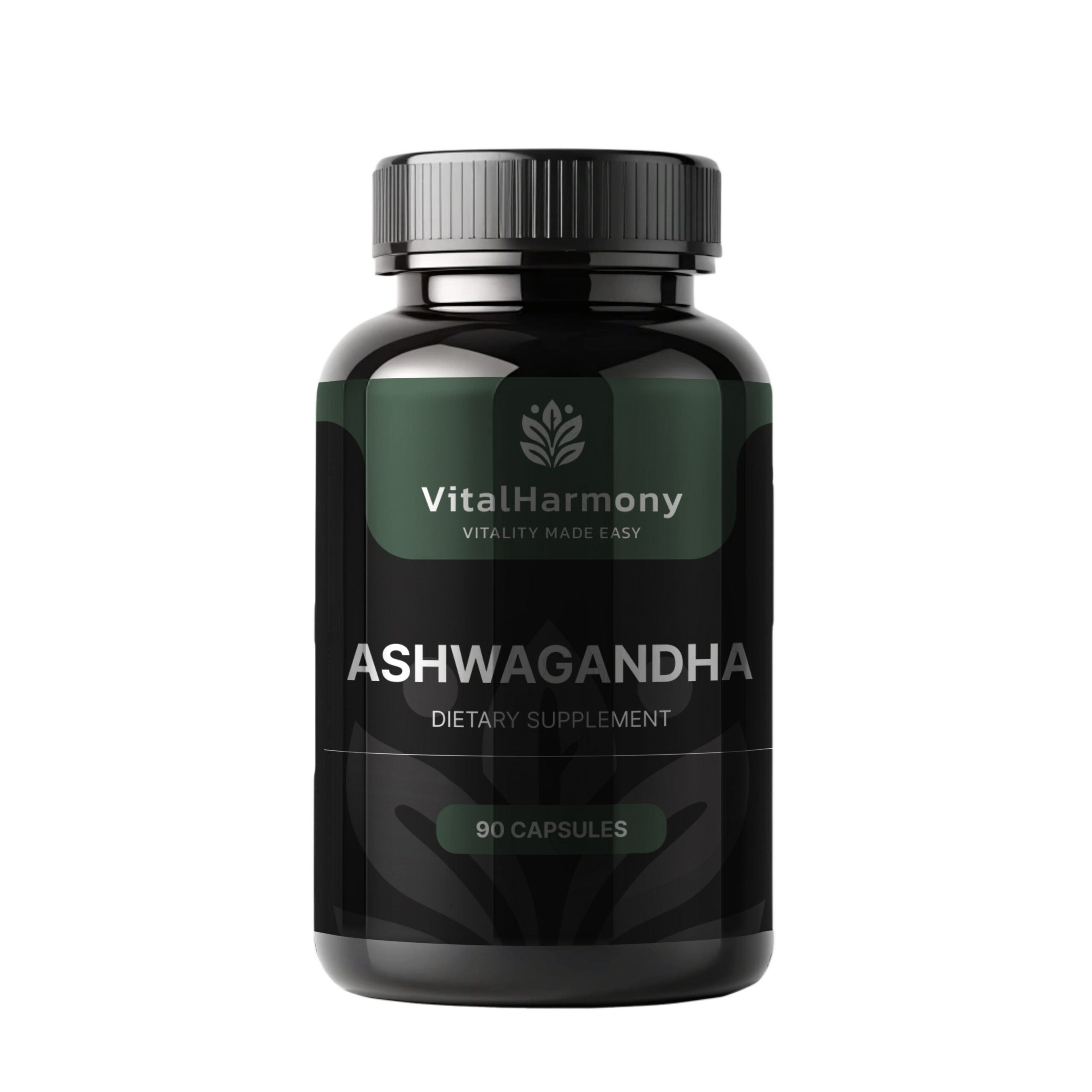
In this respect, ginseng is similar to other well-known adaptogens, such as VitalHarmony Ashwagandha — both plants help the body react more calmly to everyday tension. If stress has become your constant companion, ginseng or other adaptogen supplements can help you regain calm.
Ginseng’s adaptogenic properties are highly valued by busy people who constantly balance work, family and sport. Regular ginseng use can help the body recover faster after tense days and maintain emotional stability even in difficult circumstances. This is one of the reasons why ginseng has been called the “root of life” in traditional medicine for centuries.
5. Supports normal blood sugar levels
Ginseng can positively affect glucose metabolism and help maintain normal blood sugar levels. Ginsenosides can improve cellular insulin sensitivity and slow down the absorption of carbohydrates, which is why ginseng is often included in supplement blends that support metabolism.
Ginseng’s effect on glucose metabolism can be beneficial for those who want to avoid energy swings after meals. Stable blood sugar helps maintain a steady energy level and reduces the urge to snack on sweets between meals.
For people with carbohydrate sensitivity or those aiming to control body weight, ginseng can be a useful helper. However, it is important to emphasize that ginseng does not replace a balanced diet and physical activity — it works as an additional measure that helps maintain healthy glucose metabolism.
6. Has antioxidant and anti-inflammatory effects
The ginsenosides found in ginseng have strong antioxidant effects — they help neutralize free radicals and protect cells from oxidative damage. In addition, ginseng can reduce chronic inflammation in the body, which is linked to many chronic diseases.
Regular intake of antioxidants helps slow down aging processes and support overall body health. Ginseng’s antioxidant properties perfectly complement the effects of other well-known antioxidants, such as vitamin C or coenzyme Q10.
Free radicals are constantly produced in the body — due to stress, environmental pollution, poor diet or intense exercise. Ginseng’s antioxidants help neutralize them and thus protect cells from premature aging. Because of this effect, ginseng is sometimes also included in beauty and skincare supplement formulas.
7. Improves physical endurance and vitality
Ginseng has long been valued for its ability to increase physical endurance and vitality. For athletes, ginseng can help withstand a greater training load and recover faster after physical activity. Some research shows that ginseng can improve oxygen utilization and reduce muscle damage after intense exertion.
For men, ginseng is traditionally also associated with supporting sexual function and vitality. Although research in this area is still ongoing, many athletes value ginseng as a natural way to boost energy and endurance. VH.Nutra Maca 600 mg — an Andean adaptogen often combined with ginseng — has a similar vitality-supporting effect.
Athletes often combine ginseng with other supplements, such as creatine or BCAA, to achieve maximum results. Ginseng helps not only during the workout but also after it — it can speed up recovery and reduce muscle soreness. Thanks to these properties, ginseng becomes a versatile supplement for both strength and endurance athletes.
How to Take Ginseng?
To feel the best effect of ginseng, it is important to follow the correct dosage and intake schedule. Here are the main recommendations on how to take ginseng safely and effectively.
- Recommended dosage: 200–400 mg of standardized ginseng extract (4–7% ginsenosides) or 1–2 g of dried root per day.
- When to take: best in the morning or before noon, as ginseng can be energizing and disrupt sleep if taken in the evening.
- Duration of use: recommended to take for 2–3 months, followed by a 2–4 week break.
- Maximum safe dose: up to 2 g of dried root per day; higher doses may cause insomnia or headache.
When choosing a ginseng supplement, pay attention to ginsenoside standardization and product purity. Although StayStrong does not currently offer a direct ginseng product, the catalog contains other quality adaptogens — for example, VH.Nutra Maca 600 mg and VitalHarmony Ashwagandha, which have a similar energy- and stress-resilience-supporting effect.
When starting to take ginseng, follow the “less is more” principle — start with the lowest recommended dose and monitor how you feel. Ginseng works best when taken consistently, so it is important to establish a regular intake rhythm and stick to it daily.
Ginseng can be found in various forms: capsules, powders, tinctures and even teas. Capsules are the most convenient way to control the dosage precisely, while powders allow you to mix this root into a smoothie or drink. Tinctures are absorbed quickly, but their taste can be specific. When choosing a form, follow your habits and everyday convenience.
Possible Side Effects
Ginseng is safe for most people, but some may experience side effects, especially at high doses. The most common symptoms are insomnia, headache, increased blood pressure and stomach discomfort. These effects are usually mild and disappear when the dose is reduced.
Ginseng can interact with certain medications, including blood thinners and diabetes medications. If you take medication or have a chronic illness, be sure to consult your doctor before starting ginseng. Ginseng is not recommended for pregnant and breastfeeding women.
Ginseng is best avoided by people with autoimmune diseases, as well as those taking anticoagulants or immunosuppressants. Since this plant can raise blood pressure, people with hypertension should consult a doctor before use. Ginseng is not recommended for children and teenagers without specialist supervision.
Ginseng and Coffee: What You Should Know?
Ginseng and coffee are often compared as energy sources, but their mechanisms of action are fundamentally different. Caffeine blocks fatigue signals and provides a quick energy burst, while ginseng acts adaptogenically — it helps the body gradually adapt to load and maintain a steady energy level.
Many people choose ginseng precisely because it does not cause the agitation, trembling or energy crash after a few hours that caffeine is known for. However, ginseng and caffeine should be combined with caution — both can raise blood pressure, so sensitive individuals are better off choosing one of them. If you want to reduce your coffee intake, ginseng can become a natural alternative that helps you maintain energy without caffeine’s side effects.
If you decide to take ginseng instead of coffee, start gradually and observe how your body reacts. Some people only need one ginseng capsule in the morning to feel alert all day, while others may need a little more time to feel the effect. The most important thing is to listen to your body’s signals and find the routine that suits you best.
Frequently Asked Questions
What is the recommended daily dose of ginseng?
The recommended daily dose of ginseng for adults is 200–400 mg of standardized extract (4–7% ginsenosides) or 1–2 g of dried root. When starting out, it is better to choose a lower dose and gradually increase it while monitoring your body’s reaction.
When is the best time to take ginseng — morning or evening?
Ginseng is best taken in the morning or before noon, as it has an energizing effect. Taken in the evening, ginseng can disrupt sleep, so avoid this supplement late in the afternoon and evening. If you are looking for an adaptogen for the evening, it is better to choose sleep-supporting supplements.
Is ginseng suitable for athletes?
Yes, ginseng is often used in sports to increase physical endurance and improve recovery after workouts. Athletes can combine ginseng with other adaptogens, such as VH.Nutra Maca 600 mg, to support energy and vitality during an intense training cycle.
How long does it take to feel the effects of ginseng?
Ginseng’s effects usually do not appear immediately but after several weeks of regular use. Most people notice the first changes — more energy and better focus — after 2–4 weeks. For the best results, it is recommended to take ginseng consistently for at least 2–3 months.
Disclaimer: This information is for educational purposes only and cannot replace professional medical advice. Before starting any dietary supplements, be sure to consult your doctor or pharmacist.
Related Articles
- Best adaptogens for everyday stress
- Rhodiola Rosea: 7 Benefits for Stress, Energy and Health
- Ashwagandha: 7 Benefits for Stress, Energy and Health