
Folic acid is one of the most important B vitamins, also known as vitamin B9. This vital nutrient is involved in numerous bodily processes — from blood cell production to DNA synthesis. Yet many people do not realize how important folic acid is for everyday well-being, which is why this article will explore in detail the 7 most important benefits of this vitamin.
Key Takeaways
- Folic acid — essential for red blood cell production and the prevention of megaloblastic anemia, particularly important during pregnancy.
- 400 mcg per day — the official recommended daily allowance for adults, while pregnant women are recommended as much as 600 mcg.
- Folic acid supplements ensure more stable absorption than natural folate from food, making them a practical choice for many people.
Table of Contents
What Is Folic Acid?
Folic acid is the synthetic form of vitamin B9, widely used in dietary supplements and fortified foods. The naturally occurring form of this vitamin in food is called folate. The folic acid molecule is more stable and is absorbed more efficiently by the body than natural folate — approximately 85% of folic acid is absorbed, compared with 50% of folate from food.
This B vitamin is essential for amino acid metabolism, nucleic acid synthesis, and normal cell division. The body cannot produce folic acid on its own, so it must be obtained through food or supplements. Folic acid is abundant in green leafy vegetables, legumes, liver, and citrus fruits.
Unfortunately, modern diets do not always ensure an adequate intake of vitamin B9. Prolonged food storage, heat processing, and certain medications can reduce folic acid levels in the body. Here it is important to know that a high-quality folic acid supplement can help fill this gap and maintain optimal levels of this vitamin.
7 Health Benefits of Folic Acid
1. Supports Normal Blood Formation
Folic acid is essential for normal blood formation — it is involved in the production of red blood cells (erythrocytes) in the bone marrow. When the body lacks this B vitamin, red blood cells become too large, underdeveloped, and unable to transport oxygen effectively. This condition is called megaloblastic anemia.
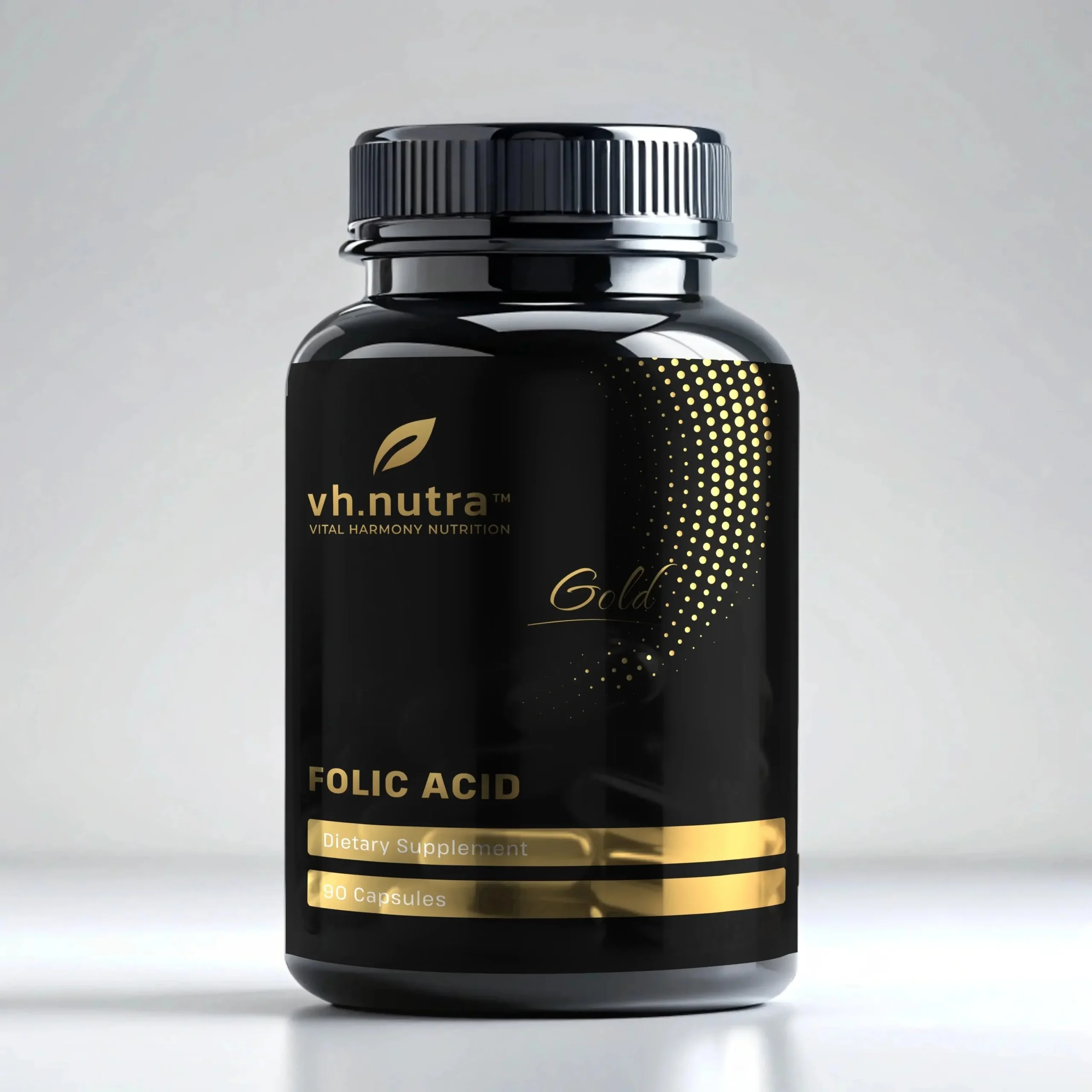
Research shows that regular folic acid intake helps maintain normal hemoglobin levels and red blood cell counts. According to the NIH (National Institutes of Health), folic acid deficiency is one of the most common vitamin deficiencies worldwide, causing anemia in millions of people. This is precisely why VH.Nutra Folic Acid — a folic acid supplement providing 400 mcg per capsule — can be a valuable addition to your daily routine.
2. Essential During Pregnancy
Folic acid is arguably the most important vitamin when planning a pregnancy and during it. Adequate intake of this vitamin helps prevent neural tube defects (NTDs) — serious fetal developmental disorders such as spina bifida. These defects form during the first 28 days of pregnancy, often before a woman even knows she is pregnant.
This is why doctors recommend starting folic acid supplements before conception. The recommended dose for pregnant women is 600 mcg per day, and 500 mcg for breastfeeding women. Studies show that folic acid reduces the risk of neural tube defects by up to 70%. This vital nutrient also contributes to placental development and fetal growth processes.
3. Improves Brain Function and Mood
Folic acid plays an important role in brain function — it is involved in the synthesis of neurotransmitters such as serotonin, dopamine, and noradrenaline. These chemical compounds regulate mood, sleep, appetite, and cognitive functions. Vitamin B9 deficiency has been linked to an increased risk of depression and cognitive decline.
Scientific studies show that people with low folic acid levels in the blood experience mood swings more often, and supplement use can improve the response to antidepressants. Furthermore, this B vitamin, together with vitamin B12, helps maintain homocysteine levels, elevated levels of which are associated with brain atrophy and dementia risk.
4. Strengthens the Immune System
Folic acid is essential for effective immune system function. This vitamin B9 is involved in the production and activation of white blood cells — lymphocytes and neutrophils. Without sufficient folic acid, the body cannot produce enough immune cells needed to fight infections.
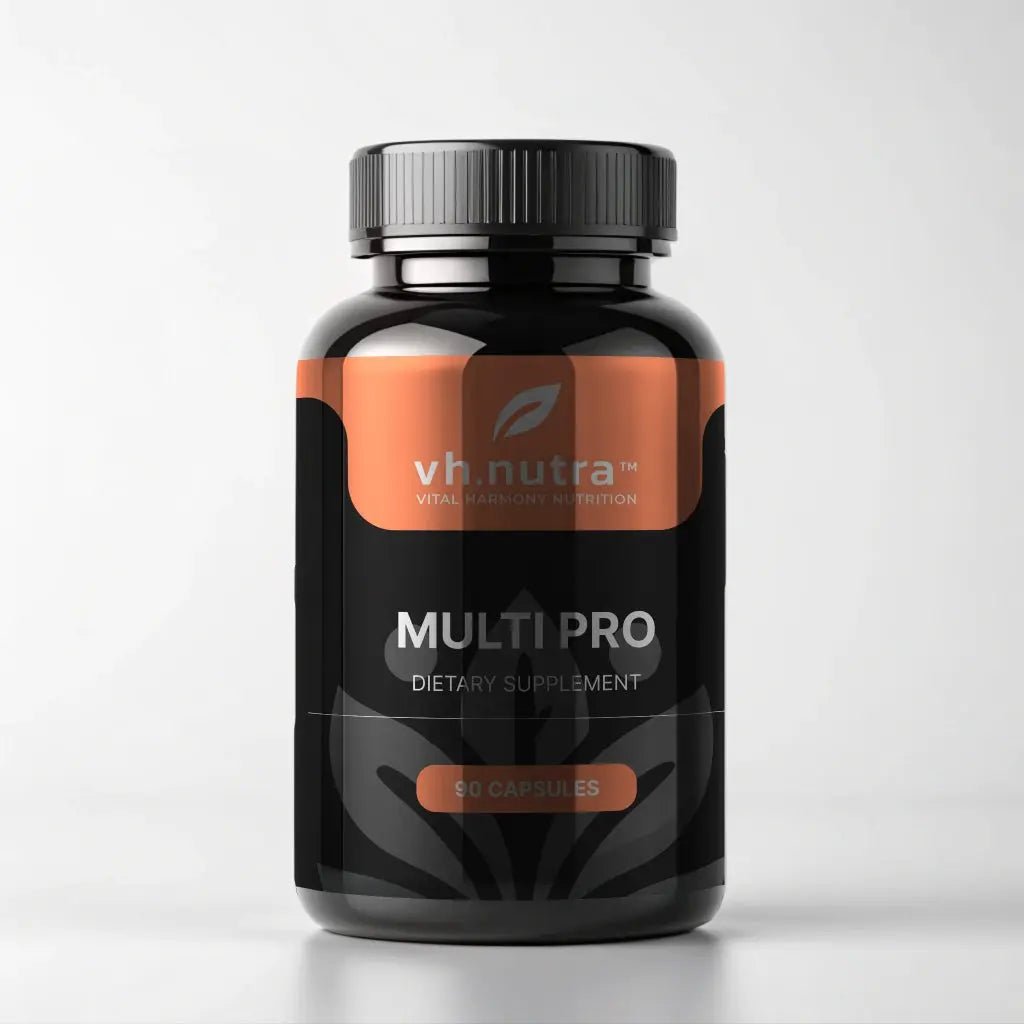
Research shows that folic acid deficiency weakens cellular immunity — the T lymphocyte response becomes less effective. Regular intake of this vitamin helps maintain strong immune defense, especially during seasonal illnesses. High-quality complex supplements such as VH.Nutra Multi Pro provide a balanced combination of folic acid and other vitamins important for immunity.
5. Supports Heart Health
Folic acid, together with vitamins B6 and B12, helps regulate homocysteine levels — an amino acid whose elevated levels in the blood are a risk factor for cardiovascular disease. Homocysteine can damage blood vessel walls and promote the development of atherosclerosis, so keeping it under control is important for heart health.
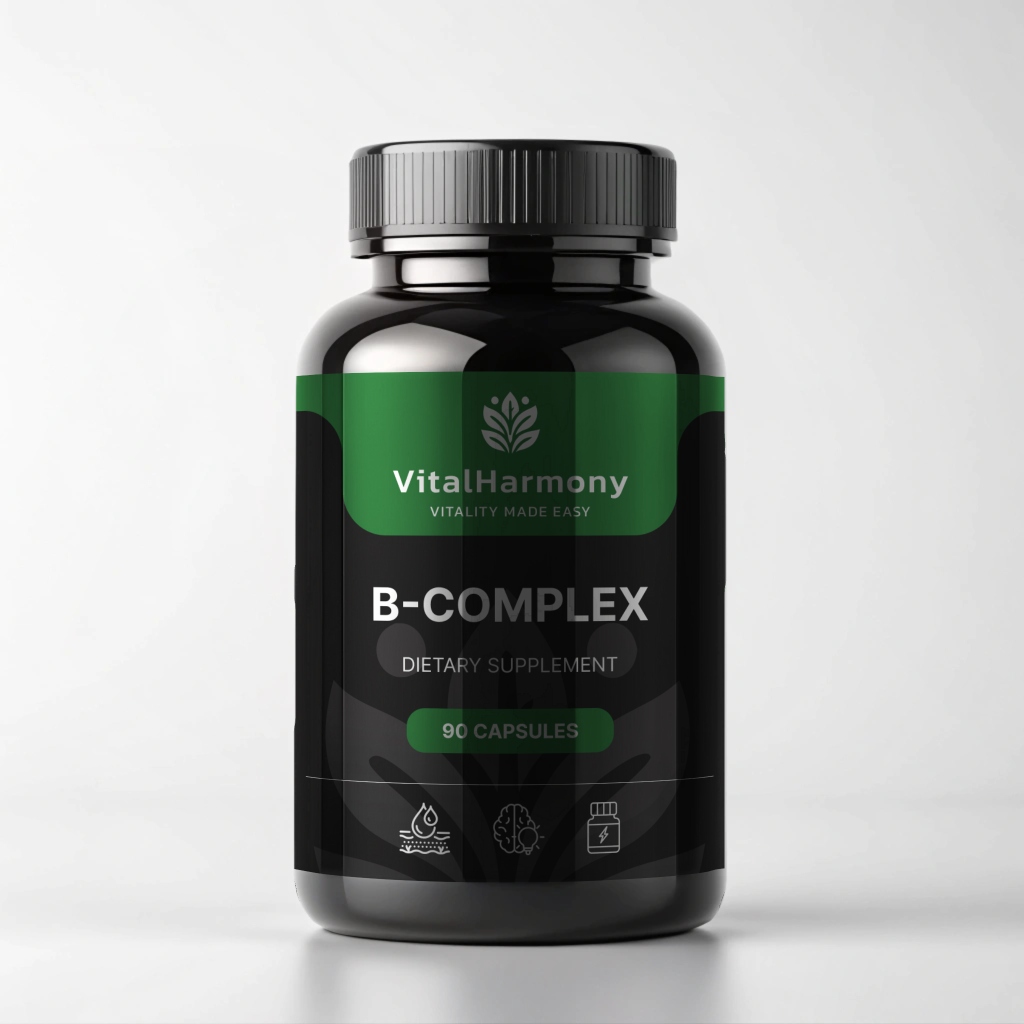
Scientific studies show that regular folic acid intake can reduce homocysteine concentrations in the blood by an average of 25%. Although this effect is especially pronounced in people with elevated homocysteine levels, preventive vitamin B9 intake is a sensible strategy for maintaining long-term heart health. This is one of the reasons why the VitalHarmony B-Complex complex, which includes all B vitamins, is a valuable tool for heart disease prevention.
6. Contributes to Cell Division
Folic acid is essential for DNA and RNA synthesis — processes necessary for cell division and growth. Every time the body produces new cells (in the skin, hair, intestinal lining, and blood), it needs folic acid. This explains why the need for this vitamin increases particularly during pregnancy, childhood, and adolescence — periods of growth and development.
Precisely because of its role in DNA synthesis, folate and folic acid are being studied in the context of cancer prevention. Adequate intake of this nutrient helps maintain genetic stability and protect DNA from damage. However, it is important to emphasize that folic acid is not a medicine — it supports normal cell function rather than treating diseases.
7. Helps Fight Fatigue
One of the most common early symptoms of folic acid deficiency is persistent fatigue, weakness, and lack of energy. Vitamin B9 deficiency disrupts red blood cell production, which means tissues and organs receive less oxygen — the result is chronic fatigue, even with adequate sleep.
The European Food Safety Authority (EFSA) has officially confirmed that folic acid contributes to the reduction of fatigue and exhaustion. This is particularly relevant for people who experience persistent fatigue without a clear cause, vegetarians and vegans, older adults, and those taking certain medications (e.g., metformin, contraceptives). This is why many people choose folic acid supplements as part of their daily energy maintenance strategy.
How to Take Folic Acid?
Recommended dose: for adults — 400 micrograms (mcg) per day. Pregnant women are recommended 600 mcg, and breastfeeding women 500 mcg. Athletes and physically active people may need a slightly higher dose due to increased metabolism.
When to take it: folic acid is best taken in the morning or during the day, washed down with a glass of water. It can be taken with or without food — it is a water-soluble vitamin, so food does not significantly affect its absorption. However, taking it with food reduces the likelihood of stomach irritation in sensitive individuals.
Duration of use: folic acid can be taken long-term, as it is a vitamin needed daily. A course can last from 1-3 months to continuous use. After 3 months, it is recommended to assess how you feel and adjust the dose if necessary.
Maximum safe dose: up to 1000 mcg (1 mg) per day is considered the safe upper limit for adults. Higher doses can mask the symptoms of vitamin B12 deficiency, so it is not recommended to exceed this limit without consulting a doctor. Always choose reliable supplements, such as VH.Nutra Folic Acid 400 mcg, which ensure a precise and safe dose.
Possible Side Effects
Folic acid is considered one of the safest vitamins, and side effects are very rare, occurring mostly only with extremely high doses. Since vitamin B9 is water-soluble, excess is effectively eliminated by the kidneys through urine.
However, some people may experience mild side effects: nausea, bloating, loss of appetite, or insomnia. In very rare cases, allergic skin reactions may occur. The most important precaution is not to take doses higher than 1000 mcg without medical supervision, as this can mask vitamin B12 deficiency, which, if left untreated, can cause irreversible nerve damage.
Folic Acid and B Vitamins — What You Need to Know?
Folic acid does not work alone — it is closely related to other B vitamins, especially vitamin B12 and vitamin B6. These three B vitamins together regulate homocysteine metabolism: folic acid converts homocysteine into methionine, vitamin B12 acts as a cofactor, and vitamin B6 participates in the alternative homocysteine breakdown pathway.
Taking folic acid on its own, without sufficient vitamin B12, carries the risk of masking megaloblastic anemia caused by B12 deficiency. This is especially relevant for older adults, vegans, and vegetarians, who more often experience B12 deficiency. For this reason, many specialists recommend choosing a B vitamin complex that ensures a balanced supply of all eight B vitamins.
Frequently Asked Questions
Can folic acid cause weight gain?
No, folic acid contains no calories and does not directly cause weight gain. Quite the opposite — vitamin B9 deficiency can lead to loss of appetite, so supplementing it can normalize appetite rather than promote weight gain.
When is the best time to check folic acid levels?
It is recommended to check folic acid levels in the blood at least once a year as a preventive measure, as well as before a planned pregnancy, in cases of persistent fatigue, memory problems, or unexplained anemia. The test is performed on venous blood and shows both folic acid and vitamin B12 concentrations.
Can folic acid be combined with other supplements?
Yes, folic acid combines well with many other vitamins and minerals. It is especially recommended to combine it with vitamin B12, vitamin C, and iron, as they work synergistically on blood formation. A comprehensive balanced combination is offered by VH.Nutra Multi Pro — a premium multivitamin complex that includes folic acid, iron, zinc, and other essential micronutrients.
Disclaimer: This information is intended for educational purposes only and cannot replace professional medical advice. Before starting any dietary supplements, it is essential to consult a doctor or pharmacist.