
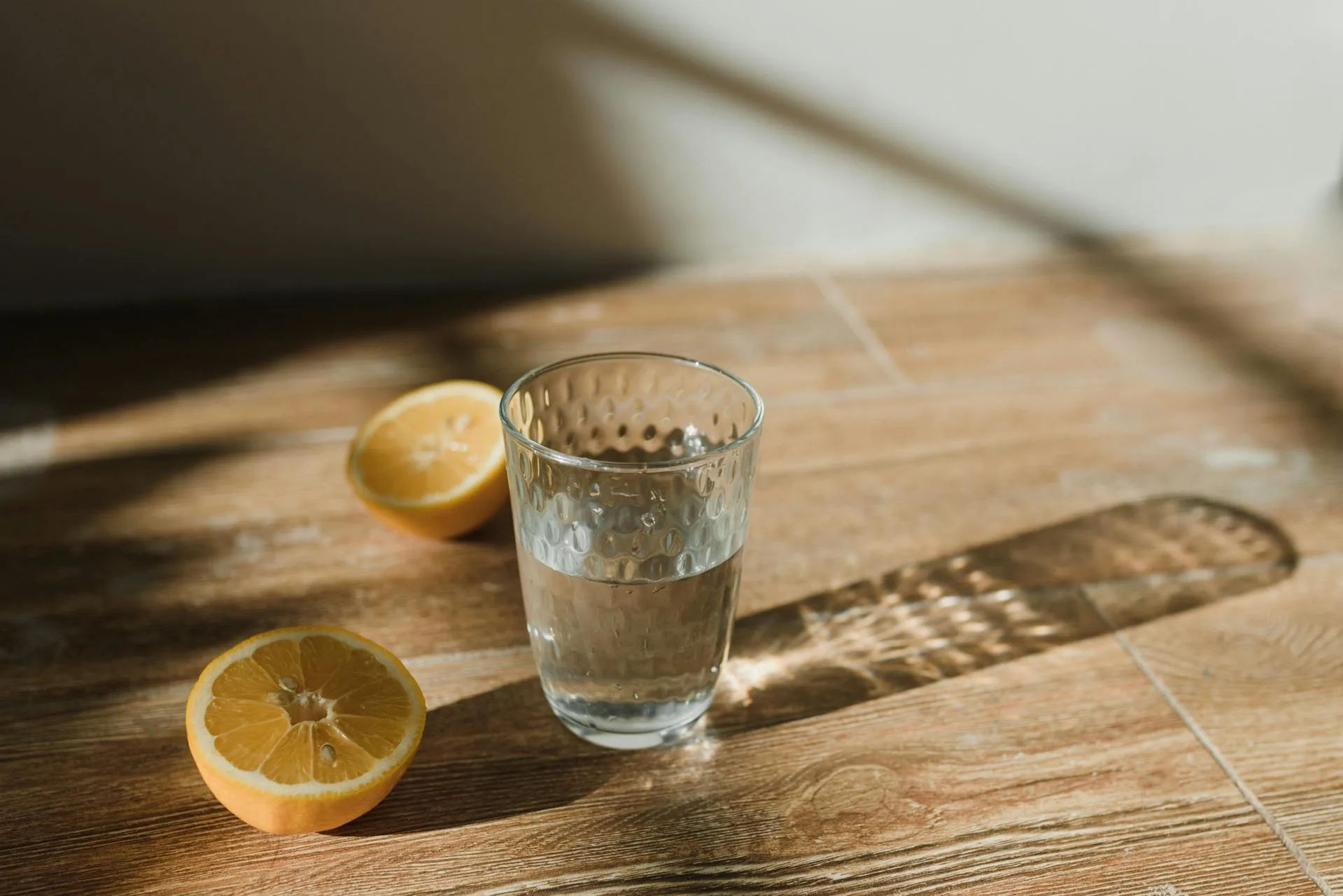
Frequent urination is a topic that many people deal with, yet it is often only whispered about. Some notice they are running to the bathroom more often during the day, others find themselves getting up at night, and still others feel a constant urge, even when the amount of urine is small.
It is important to understand one thing: frequent urination is not a disease; it is a signal that something is happening in the body. Very often, it is linked to daily habits—water intake, diet, stress, rest, or mineral balance.
In this article, we will discuss in simple terms:
- what is considered frequent urination;
- why it may occur;
- what to do practically—step by step;
- how to support the body’s balance through everyday choices;
- how you can naturally help the body recover.
What is considered frequent urination?
Normally, an adult urinates about 4–7 times per day. If:
- you need to go to the bathroom every 1–2 hours;
- you often wake up at night;
- you feel a constant urge, even when a large amount of urine has not accumulated;
– this is considered frequent urination.
It is important to pay attention not only to the frequency, but also to how the body itself feels—whether there is fatigue, irritability, or a lack of energy.
Frequent Urination: Main Causes
1. Water Intake – How Much, When, and How?
Water is essential for the body, but excessive or uneven intake can lead to a frequent urge to urinate.
How Much Water Is Recommended Per Day?
A general guideline:
- 30–35 ml of water per 1 kg of body weight.
For example:
- if you weigh 70 kg → about 2.1–2.4 L per day;
- if you weigh 90 kg → about 2.7–3.1 L per day.
This includes plain water, not coffee or sugary drinks.
How to Drink Water to Avoid Problems?
- Drink in small sips, rather than large amounts at once.
- Consume most of your water by 6–7 PM.
- In the evening, try to only moisten your mouth rather than drinking full glasses.
If water “passes through the body” too quickly, it often means the body is lacking electrolytes and minerals that help fluids distribute throughout tissues.
2. Mineral and Electrolyte Balance
Magnesium, potassium, and sodium are involved in:
- nerve impulse transmission;
- muscle function, including the bladder;
- fluid balance.
When these substances are lacking, the body may fail to properly “retain” fluids, leading to a more frequent urge to urinate.
This is especially relevant for:
- those who are physically active;
- those who sweat heavily;
- those experiencing stress;
- those who drink a lot of coffee.
In such cases, it is often worth paying attention not only to diet but also to additional mineral support, which helps the body restore balance.
3. Caffeine and Other Irritants
Coffee, strong tea, energy drinks, and alcohol act as diuretics – they promote fluid elimination.
If you notice that the urge to urinate increases after coffee, it is worth: You will find more useful information in the article about how to choose vitamins without guesswork.
- limiting coffee to 1–2 cups per day;
- avoiding it after 2–3 PM;
- replacing some coffee with water or herbal teas.
4. Stress and the Nervous System
Stress is very often overlooked as a cause, yet it can trigger frequent urination without a clear physical reason. You will find more useful information in the article about when to take multivitamins – morning or evening.
Constant tension activates the nervous system, making the bladder more sensitive.
Here, the following are especially important:
- rest;
- regular sleep;
- substances that support the nervous system, such as magnesium.
Frequent Urination at Night – What Does It Mean?
If you have to get up 2 or more times per night, this is already considered nighttime urination.
The most common causes:
- consuming fluids too late;
- excessive salt intake in the evening;
- mineral deficiency;
- poor-quality sleep.
When Is It Recommended to Go to Bed?
- Ideally – 10:00–11:00 PM.
- The body’s recovery is most active before midnight.
A regular sleep schedule helps stabilize hormone and fluid regulation.
What You Can Do in Practice – Daily Tips
1. Adjusting Your Water Intake
- Drink water evenly throughout the day.
- Avoid large amounts at once.
- In the evening, opt for only small sips.
2. Supporting Mineral Levels
It is beneficial for the body to receive enough:
- magnesium – for nerve and muscle function;
- potassium – for fluid balance;
- electrolytes – for an active lifestyle.
This is especially relevant for those who exercise, do physical work, or experience stress. Properly chosen supplements can become a simple daily solution.
3. Rest and Recovery
It is recommended to:
- sleep 7–9 hours;
- maintain a consistent sleep schedule;
- avoid screens for at least 1 hour before bedtime.
Quality rest directly affects the nervous system and bladder sensitivity.
When Should You See a Specialist?
If frequent urination:
- persists for a long time;
- is accompanied by pain or burning;
- comes with other concerning symptoms;
it is essential to consult a doctor.
Summary
Frequent urination is very often linked to daily habits – water intake, stress, rest, and mineral balance. By paying attention to these areas, we can not only reduce unpleasant symptoms but also improve overall well-being.
Taking care of your body every day – these are simple choices that yield the greatest benefits over time.