
Conjugated linoleic acid — a natural fatty acid found in the meat and dairy products of grass-fed cattle, has become one of the most popular substances for weight control and improving body composition. If you are looking for a way to reduce body fat without sacrificing muscle mass, support your metabolism, or strengthen your immune system, CLA supplements can be a valuable addition to your daily routine. High-quality conjugated linoleic acid supplements are available to everyone today, and their effects are backed by dozens of scientific studies.
Key Takeaways
- Conjugated linoleic acid — can reduce body fat mass by an average of 1–2 kg over 6–12 months; results vary individually
- CLA compound — supports metabolism and helps preserve muscle mass during weight loss
- Fat metabolism — studies show that CLA can reduce body fat percentage by up to 2% without dietary changes
- Practical tip — CLA works best when combined with physical activity and a balanced diet
Table of Contents
What Is Conjugated Linoleic Acid?
Conjugated linoleic acid is a member of the omega-6 fatty acid family, formed in ruminant animals during natural fermentation. Humans obtain CLA by eating beef, lamb, butter, and dairy products from grass-fed animals. Unlike regular linoleic acid, the CLA compound has a unique structure of conjugated double bonds, which gives it special biological properties.
In supplement form, conjugated linoleic acid is most commonly derived from safflower oil, which has a very high CLA concentration. Two isomer forms are the most thoroughly studied scientifically: cis-9, trans-11 and trans-10, cis-12. These two forms of conjugated linoleic acid are responsible for most of the benefits — fat reduction, metabolic support, and immune system strengthening.
1. Reducing Body Fat Mass
Reducing body fat mass is the most thoroughly studied benefit of conjugated linoleic acid. Clinical trials, whose results are compiled in the PubMed database, show that 3.2 g of CLA per day can reduce body fat mass by an average of 1–2 kg over 6–12 months. The CLA compound works through several mechanisms: it promotes fatty acid oxidation in cells, inhibits fat accumulation in adipocytes, and increases resting energy expenditure.
What is especially interesting is that conjugated linoleic acid is most effective at reducing belly fat — one study showed a waist circumference reduction of up to 3.3% after 6 months of use. For example, VH.Nutra CLA 3000 – Conjugated Linoleic Acid provides 3000 mg of CLA in two capsules, which matches the effective dose used in studies. It is important to understand that CLA is not a quick fix — changes accumulate gradually, so consistency is the key to success.
2. Supporting Metabolism
Conjugated linoleic acid helps maintain an active metabolism in several ways. The CLA compound activates the enzymes responsible for transporting fatty acids into mitochondria, where they are burned to produce energy. In addition, CLA stimulates thermogenesis — the body’s ability to generate heat by burning calories — which increases total energy expenditure even at rest.
Studies show that regular use of conjugated linoleic acid can increase basal metabolic rate by up to 5%. This means the body burns more calories per day without additional physical activity. CLA’s effect on metabolism is especially noticeable when combined with regular exercise — this combination produces a synergistic effect on fat burning and overall body composition.
3. Strengthening the Immune System
Conjugated linoleic acid is known for its immunomodulatory properties — it helps maintain a balanced immune system response. The CLA compound regulates the production of inflammatory cytokines and supports the function of T cells, the key players in immune defense. This is especially important for people experiencing frequent stress or intense training, both of which weaken the immune system.
Animal studies have shown that conjugated linoleic acid can help protect against various infections and support the body’s overall resistance. Although human studies in this area are still fewer, existing data suggest that regular CLA use can be a valuable preventive measure, especially during the autumn–winter season when the risk of infection rises. Immune system support is one of the reasons conjugated linoleic acid supplements are popular among active athletes.
4. Reducing Inflammation
Chronic low-grade inflammation is a key driver of many modern health problems — from obesity to heart disease. Conjugated linoleic acid helps regulate inflammatory processes in the body by inhibiting the NF-κB signaling pathway, which is responsible for the production of inflammatory molecules. This makes the CLA compound a valuable ally in the fight against chronic inflammation.
One study found that participants who took 3 g of conjugated linoleic acid per day for 12 weeks had significantly lower levels of C-reactive protein (CRP) — a key marker of systemic inflammation. Reducing inflammation is especially important for overweight people, because adipose tissue itself produces inflammatory signals. Regular CLA use together with a healthy diet can help maintain a healthy inflammatory balance in the body.
5. Preserving Muscle Mass
One of the most unique properties of conjugated linoleic acid is its ability to help preserve muscle mass during weight loss. During typical diets, the body burns muscle tissue along with fat, which slows down metabolism. The CLA compound helps protect muscle proteins and promotes their synthesis, making weight loss more effective and healthier.
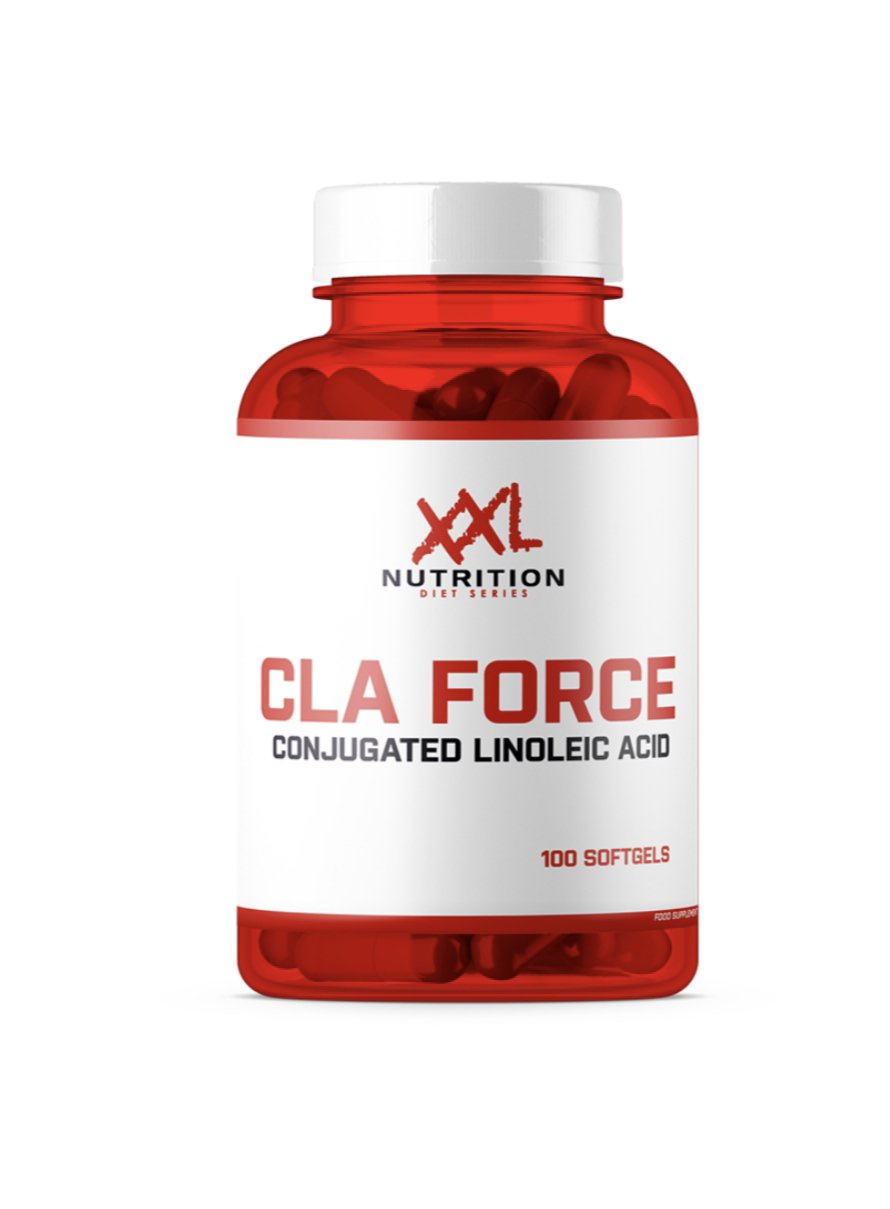
Studies with athletes have shown that conjugated linoleic acid can contribute to an increase in lean body mass, especially when combined with strength training. For example, XXL Nutrition CLA Force 800 mg provides a concentrated CLA dose in a single softgel capsule — a convenient way to support body composition during intense training periods. Preserving muscle mass is especially important for older adults, because muscle mass is naturally lost with age (sarcopenia).
6. Blood Sugar Control
Conjugated linoleic acid shows promising results in supporting healthy blood sugar levels. The CLA compound improves insulin sensitivity — the hormone that helps cells take up glucose from the blood. Better insulin sensitivity means more stable blood sugar levels, fewer energy fluctuations, and less craving for sweets.
Several studies have shown that 3–6 g of conjugated linoleic acid per day can improve glucose tolerance and reduce fasting insulin levels. This effect is especially relevant for people who are overweight or show signs of metabolic syndrome. However, it is important to emphasize that CLA is not a treatment for diabetes — it works as a supportive measure for maintaining a healthy metabolism alongside a balanced diet.
7. Heart and Cardiovascular Health
Conjugated linoleic acid can contribute to heart and cardiovascular health in several ways. The CLA compound helps maintain a healthy cholesterol balance — studies show it can lower LDL (“bad”) cholesterol and triglyceride levels in the blood. In addition, the reduction of inflammation we discussed earlier is also an important factor in heart disease prevention.
Although research on CLA and heart health has produced mixed results, most studies show a positive effect on risk factors, especially in overweight people. Conjugated linoleic acid occurs naturally in food, and supplements help achieve scientifically supported doses that are impossible to obtain from diet alone. As with any supplement, quality and consistency are what matter most.
How to Take Conjugated Linoleic Acid?
Recommended dose: The standard daily dose of conjugated linoleic acid is 3–6 g. Most clinical trials used 3.2–3.4 g of CLA per day, divided into 2–3 servings. Beginners are advised to start with 1–2 g and gradually increase the dose over the first 1–2 weeks to allow the body to adapt.
When to take it: CLA is best taken with meals, because fat-soluble substances are absorbed better when fat is consumed with food. The dose can be split: one serving of capsules in the morning with breakfast, another in the evening with dinner. Taking the supplement regularly at the same time helps you not forget it and maintains a steady CLA level in the body.
Duration of use: Conjugated linoleic acid is recommended to be taken for at least 8–12 weeks to see visible results. For long-term use, a cycle scheme works well: take it for 3–6 months, then take a 1-month break. This scheme helps maintain effectiveness and prevents the body from getting used to it.
Maximum safe dose: Doses of up to 6 g of conjugated linoleic acid per day have been used safely in studies. Without medical supervision, it is not recommended to exceed 6 g per day. Higher doses can cause digestive discomfort without adding any benefit.
Possible Side Effects
Conjugated linoleic acid is considered a safe supplement when taken at recommended doses (3–6 g per day). However, some people may experience mild side effects, especially at the beginning of use. The most common symptoms are digestive disturbances — bloating, diarrhea, or nausea — which usually subside within a few days as the body adapts. These symptoms can be reduced by starting with a lower dose and taking CLA with meals.
In rare cases, CLA can affect liver enzyme levels or the lipid profile, so people with liver disease or elevated cholesterol should consult a doctor before starting use. Conjugated linoleic acid supplements are not recommended for pregnant or breastfeeding women, as there is not enough safety data for these groups.
Conjugated Linoleic Acid and Weight Loss — What You Need to Know?
Conjugated linoleic acid is often presented as a weight-loss supplement, so it is important to understand what this substance can and cannot actually do. CLA is not an appetite suppressant or a compound that dramatically accelerates fat burning — its effect is mild and gradual. Studies show an average of 1–2 kg greater reduction in fat mass over 6–12 months compared with a placebo group. This means CLA works best as part of a long-term strategy rather than a quick fix.
The best results are achieved by combining CLA with L-carnitine — this combination works synergistically, because L-carnitine transports fatty acids into mitochondria for burning, while CLA supports fat metabolism and protects muscle mass. It is also important not to forget fiber and protein in your diet — they help control appetite and maintain a feeling of fullness. Conjugated linoleic acid is a supportive tool, while the foundation always remains a balanced diet and physical activity.
Frequently Asked Questions
Does CLA work equally well for women and men?
Yes, conjugated linoleic acid works for both women and men, although studies show that women may experience a greater reduction in body fat mass. For men, CLA often helps preserve muscle mass during a diet. The doses are the same for both sexes — 3–6 g per day.
When is the best time to take CLA — morning or evening?
Conjugated linoleic acid can be taken at any time of day; the most important thing is to take it with meals to improve absorption. Many experts recommend splitting the daily dose into two parts: in the morning with breakfast and in the evening with dinner. Consistency matters more than the specific time of day.
Can I get enough CLA from food?
Getting scientifically supported doses of 3–6 g of CLA from food is practically impossible. For example, 100 g of grass-fed beef contains only about 0.3–0.4 g of CLA. To get 3 g of CLA per day, you would need to eat almost a kilogram of such beef every day. That is exactly why standardized conjugated linoleic acid supplements are the only practical way to reach effective doses.
Can CLA be combined with other supplements?
Yes, CLA combines well with L-carnitine, omega-3 fatty acids, proteins, and multivitamins. A popular combination — CLA together with CLA Force and protein shakes after training — helps maintain muscle mass and fat metabolism at the same time. Be sure to consult a doctor before combining CLA with medications or if you have chronic conditions.
Disclaimer: This information is intended for educational purposes only and cannot replace professional medical advice. Before starting any dietary supplement, be sure to consult a doctor or pharmacist.