Contents
In short:
- Chondroitin is a natural component of joint cartilage that helps maintain its structure, elasticity and resistance to load.
- The most common dose is 800–1200 mg of chondroitin per day, usually together with glucosamine and MSM.
- The best natural sources are bone broth, chicken and fish cartilage; chondroitin is not found in plants.
- The effect builds up gradually, so noticeable results usually require 2–3 months of regular use.
Chondroitin is one of the most important building blocks of joint cartilage and is often mentioned alongside glucosamine in the world of joint health. This natural compound helps cartilage retain water and elasticity, so joints absorb everyday loads better. In this article we will look at the seven most important benefits of chondroitin, explain how to take it correctly, which sources your diet contains and when it is worth considering supplements.
Key takeaways
- Chondroitin helps cartilage retain water and elasticity, so joints absorb shock better.
- The most studied dose is 800–1200 mg per day, and the greatest benefit is seen when combined with glucosamine.
- Chondroitin is not found in plant foods – its sources are bone broth and animal cartilage.
- The effect appears gradually, so it is important to be patient and use it consistently for several months.
What is chondroitin?
Chondroitin is a molecule from the glycosaminoglycan group that is naturally found in human and animal cartilage, bones and skin. In cartilage, chondroitin sulfate plays a role similar to reinforcement in concrete – it attracts and retains water, so cartilage stays firm, elastic and resistant to pressure. Without this structure, cartilage would wear down faster and joints would lose their natural protective layer.
The chondroitin sulfate used in supplements is most often extracted from bovine or porcine cartilage, and sometimes from fish or shark cartilage. It is important to know that this is not a medicine but a food supplement intended to support normal joint function. Its effect builds up gradually, so the best results can be expected when taking it consistently and combining it with a healthy lifestyle.
Chondroitin supplements can vary in purity and molecular weight, which affects absorption. Quality products state the exact dose of chondroitin sulfate per capsule rather than the total weight of the blend. When choosing a supplement, it is worth checking that the label clearly shows the active ingredient concentration and not just the overall capsule filler.
1. Joint cartilage structure support
Joint cartilage is the smooth tissue that covers the ends of bones and lets them glide without friction. Chondroitin is a direct building material of this tissue: it helps cartilage cells retain the ability to hold water and maintain proper structure. The better the cartilage holds water, the more resistant it is to constant pressure from walking, running or lifting weights.
With age and heavy physical load, cartilage naturally thins. An adequate amount of chondroitin can help slow this process because it supplies the body with the material needed for cartilage to renew itself. This is especially relevant for people who feel the first signs of joint discomfort or train intensely.
2. Reducing joint pain
One of the most studied properties of chondroitin is its ability to reduce joint pain, especially in osteoarthritis. In several clinical trials, participants taking chondroitin reported less pain on movement and better overall joint comfort than the placebo group. The effect does not appear overnight, but it can become significant over long-term use.
It is important to understand that chondroitin is not a painkiller – it does not suppress pain signals immediately. Instead, it supports the condition of the cartilage and can reduce irritation in the joint, so discomfort decreases gradually. This is exactly why it is often combined with faster-acting measures rather than used as a quick fix.
3. Improving mobility and flexibility
When cartilage is firm and well hydrated, joints move more easily and the range of motion stays larger. Chondroitin contributes to this mechanism because it helps maintain synovial fluid and the smoothness of the cartilage surface. People who take chondroitin supplements often notice that morning joint stiffness becomes shorter and everyday movements become freer.
This is especially important for older people and those who spend most of the day sitting. Better mobility helps you stay active, and activity in turn strengthens the muscles that protect the joints. This creates a positive cycle in which chondroitin acts as a helper rather than the only solution.
In practice, this can mean getting up from a chair, going down stairs or bending over more easily without greeting every movement with discomfort. These everyday changes may seem small, but they are often what determine whether a person stays active or gradually starts avoiding movement. The longer you keep your mobility, the easier it is to preserve it.
4. Reducing inflammation in joints
Joint discomfort is often linked to chronic, low-level inflammation that gradually damages the cartilage. Research shows that chondroitin sulfate can suppress some inflammation-promoting substances in the joint fluid. By reducing this constant irritation, chondroitin helps create a calmer environment for the joint in which cartilage can recover better.
This effect is not as strong as that of anti-inflammatory drugs, but the advantage of chondroitin is its gentleness. It can be used long-term without a significant risk of side effects, which makes it suitable for people looking for a daily, gentle joint-support measure. Still, if the pain is acute or severe, it is worth consulting a doctor first.
5. Slowing cartilage breakdown
In osteoarthritis, the enzymes that break down cartilage become more active than the processes that rebuild it, so the tissue gradually thins. Chondroitin can help rebalance this – on the one hand it supplies cartilage with building material, and on the other it can reduce the activity of some cartilage-degrading enzymes. As a result, the breakdown process slows and cartilage keeps its thickness and function for longer.
This does not mean that chondroitin can restore already completely worn-out cartilage. However, starting to take it earlier, while the damage is still small, gives a better chance of keeping the joint stable. From this perspective, chondroitin is more about prevention and support than repairing damage.
6. Easing osteoarthritis symptoms
Osteoarthritis is the most common joint disease, in which cartilage wears down and joints become painful and stiff. Chondroitin is one of the most studied supplements for this condition. Some large reviews show that taking chondroitin can slightly reduce pain and improve function, although results vary between studies – some show no major effect.
Nevertheless, because of its good safety profile, many doctors and nutrition specialists consider chondroitin a reasonable choice for people with osteoarthritis, especially when combined with glucosamine. According to the US National Center for Complementary and Integrative Health, this combination is one of the most popular joint supplements in the world. You can find a detailed overview of glucosamine and chondroitin in the NCCIH glucosamine and chondroitin review.
7. Synergy with glucosamine and MSM
Chondroitin is rarely taken alone – it is usually combined with glucosamine, which also takes part in building cartilage, and with MSM, which provides sulfur. Together these three substances complement each other: chondroitin retains water, glucosamine supports cartilage renewal, and MSM supports tissue flexibility.
This combination is exactly the most common composition of joint supplements. If you choose a combined product, pay attention to the doses – the most effective formulas usually contain about 800–1200 mg of chondroitin and 1500 mg of glucosamine per day. A well-chosen combination often gives a better result than any single substance alone.
How to take chondroitin?
The recommended daily dose of chondroitin sulfate is usually 800–1200 mg, which can be split into two or three parts per day. The vast majority of studies used exactly these doses, so a smaller amount may not be enough for a noticeable effect. Chondroitin is best taken with a meal, because with food it is better tolerated and absorbed.
When is the best time to take it? There is no specific time of day – the most important thing is consistency, so choose a time that is easy to keep every day. The effect builds up gradually, so give it at least 2–3 months of consistent use to assess results. It is not advisable to exceed the recommended dose, because a larger amount does not necessarily mean a better effect and may increase the risk of side effects.
The supplement works best together with other habits – regular movement, a healthy body weight and a balanced diet. Low-impact activities such as swimming, cycling or yoga are especially good for joint health. In this context chondroitin plays a supporting role, so the final result also depends on your overall lifestyle.
Side effects and precautions
Chondroitin is generally well tolerated, and the most common side effects are mild – stomach discomfort, nausea, diarrhea or constipation. These symptoms often pass when taking the supplement with food or slightly reducing the dose. More serious adverse reactions are rare.
Caution is needed for people taking blood-thinning medicines, because chondroitin, like glucosamine, can have a mild blood-thinning effect. If you are allergic to seafood, check the origin of the supplement – although most chondroitin is extracted from bovine cartilage, some products may be made from fish or shark. Before starting, it is worth consulting a doctor, especially during pregnancy, breastfeeding or when you have a chronic condition.
Diet: natural sources of chondroitin
Chondroitin is found only in animal products, because plants do not produce this molecule. The best natural sources are cartilage and connective tissue, so traditional dishes made from bones, joints and cartilage are the most valuable. In a modern diet we eat few such products, so the amount of chondroitin obtained from food is often small.
- Bone broth – when bones and cartilage are simmered for a long time, chondroitin and other joint-friendly substances pass into the liquid.
- Chicken cartilage – wings, feet and cartilaginous parts, which become soft and edible when cooked.
- Fish and shark cartilage – a traditional source of chondroitin, also used in supplement production.
- Beef and pork joints and tendons – slowly cooked stews and meat jelly are classic dishes rich in cartilaginous substances.
If there are few such products in your diet, supplements are a much easier way to get a consistent and precise dose of chondroitin. Collagen also supports connective tissue, but it does not replace chondroitin – these substances work differently and can be taken together.
Vegetarians and vegans have no plant-based sources of chondroitin to choose from, because this molecule is not present in plants. In that case, supplements become practically the only way to get chondroitin, so it is worth choosing products whose origin is clearly stated and that are made according to good manufacturing practice.
FAQ: common questions
Does chondroitin help with joint pain? Yes, some studies show that chondroitin can slightly reduce joint pain and improve function, especially in osteoarthritis. The effect appears gradually and not equally for everyone, so it is best to evaluate it after 2–3 months of regular use.
What is the daily dose of chondroitin? The most commonly recommended dose is 800–1200 mg per day, divided into several parts. This is the dose used by most clinical trials, so it is worth sticking to it if you want to expect a noticeable result.
Can chondroitin be taken together with glucosamine? Yes, this is one of the most popular and most studied combinations of joint supplements. Chondroitin and glucosamine complement each other, and together with MSM they form the classic joint-support formula.
When will I feel the effect of chondroitin? Chondroitin is not a fast-acting remedy, so most people notice the first changes after a few weeks and the most stable result after 2–3 months. The most important thing is consistency and patience.
Is chondroitin suitable for athletes? Yes, it can be useful for people whose joints bear a heavy load – runners, weightlifters and team-sport athletes. Chondroitin helps maintain cartilage condition during intense training, but it does not replace proper warm-up and technique.
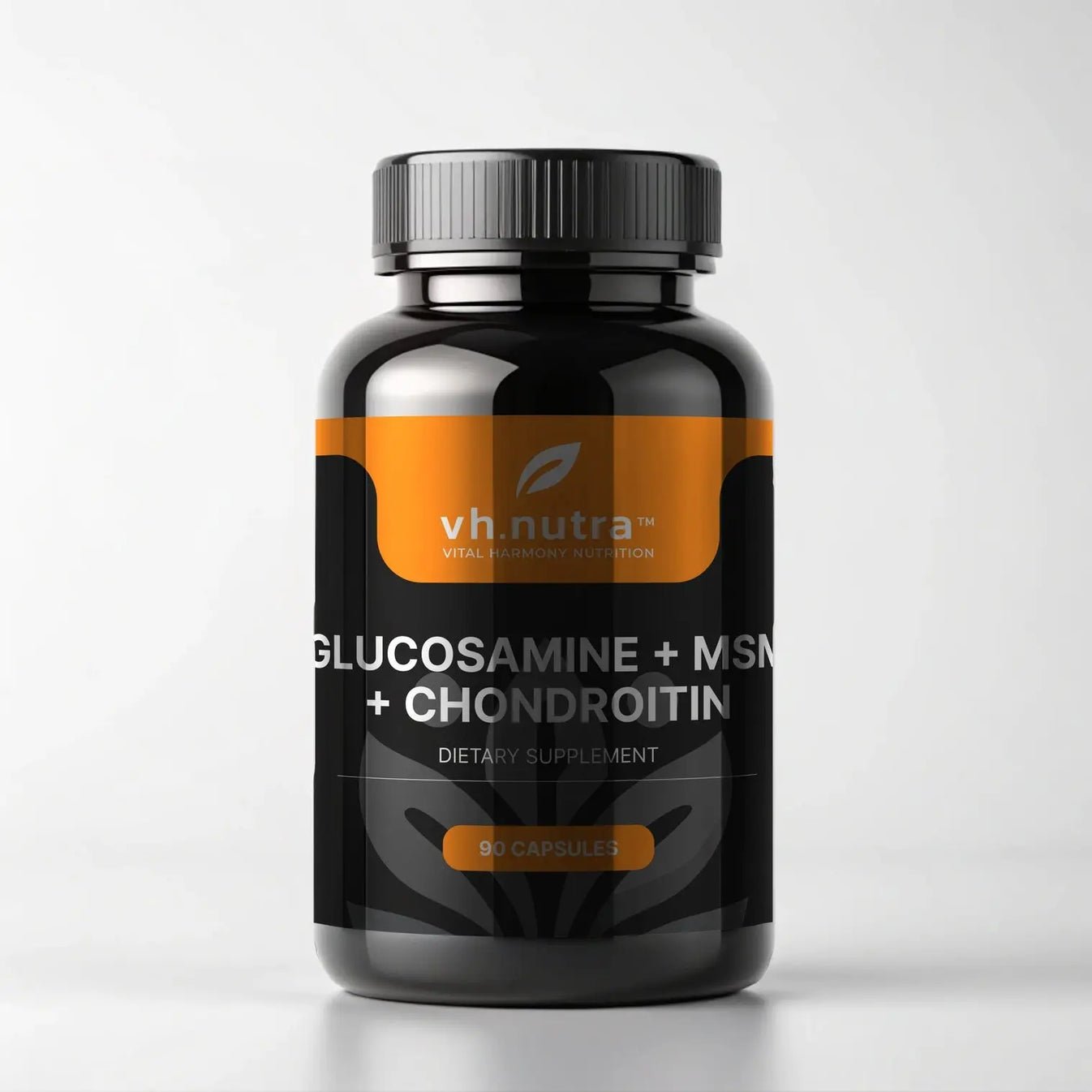
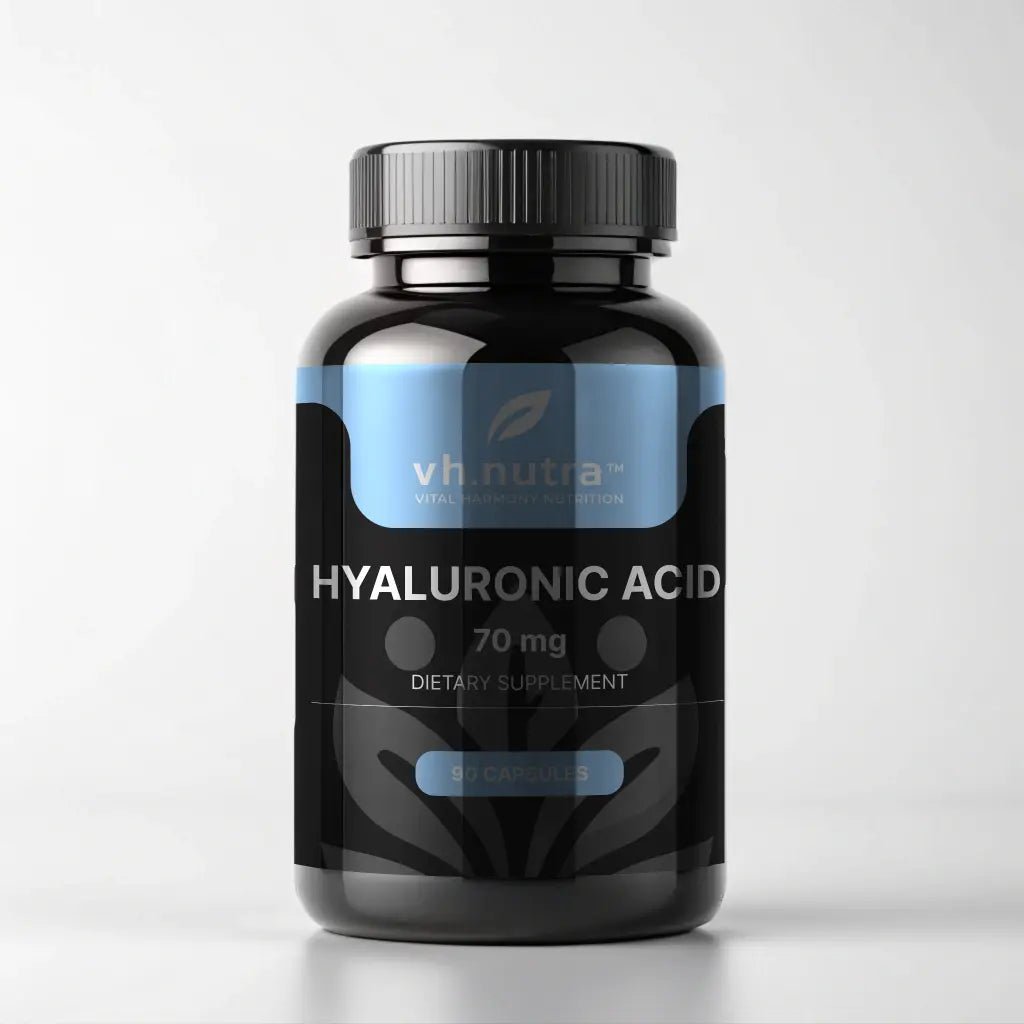
If you want chondroitin for your joints together with other substances, pay attention to Glucosamine + MSM + Chondroitin – a complex in which three joint-support substances are combined in one formula. Additionally, joint fluid is supported by hyaluronic acid, which can also be combined with chondroitin.
Disclaimer: This information is for educational purposes only. Before taking supplements, consult your doctor or pharmacist.
Related articles
- Glucosamine – 7 benefits for joints, mobility and health
- MSM (Methylsulfonylmethane) – 7 benefits for joints, skin and recovery
- Collagen – 7 benefits for skin, joints and beauty