Contents
In short:
- Choline – an essential nutrient that the body produces only in small amounts, so most of it must be obtained from food.
- Adults are recommended about 550 mg of choline per day (men) and 425 mg (women).
- The best natural sources – egg yolks, liver, fish, soybeans, broccoli and chicken.
- Lecithin, which is abundant in eggs and soy, is one of the main sources of choline in food supplements.
Choline is one of those nutrients that is talked about less often than vitamins or magnesium, even though it is involved in brain function, liver function and cell membrane structure. The body produces only a small amount of choline on its own, so most of it must be obtained from food or supplements. In this article we will look at the seven most important benefits of choline, explain which sources are the most valuable, how much you need and when it is worth considering supplements.
Key takeaways
- Choline is needed to produce acetylcholine – the neurotransmitter responsible for memory and learning.
- Adults are recommended about 425–550 mg per day; the need increases during pregnancy.
- The best sources – egg yolks, liver, fish, soy and cruciferous vegetables.
- Choline helps the liver transport fats and lowers homocysteine levels in the blood.
What is choline?
Choline is an essential nutrient that is often grouped with the B vitamins, although it is not formally considered a vitamin. The human body produces choline in the liver, but only in small amounts – not enough to meet all its needs. For this reason, choline must be obtained regularly from food or supplements.
Choline performs several vital functions at the same time. It is a precursor of acetylcholine – the neurotransmitter that transmits signals between nerve cells – and a component of phosphatidylcholine, the main building block of cell membranes. In addition, choline is involved in transporting fats out of the liver and in homocysteine metabolism.
Interestingly, choline often remains a “blind spot” for nutrition specialists. Although research shows that a large proportion of people do not get the recommended amount, choline is discussed far less often than vitamin D or zinc. That is exactly why it is worth knowing what benefits choline-containing substances provide to the body and where to find them.
Choline works closely with the B vitamins – especially folate and B12. Together these substances participate in the methylation process, on which DNA repair, cell growth and homocysteine metabolism depend. If the diet lacks choline, this process can slow down even when folate and B12 are sufficient. This close connection once again confirms that nutrients in the body do not work alone, but as a unified system.
1. Brain function and memory
The first and perhaps best-known function of choline is its participation in the production of acetylcholine. Acetylcholine is a neurotransmitter directly linked to memory, learning, attention and overall cognitive function. The more choline the brain has, the more efficiently acetylcholine is produced, which is why an adequate choline level is associated with better memory and concentration.
With age, acetylcholine production naturally declines, which makes the role of choline even more important for older people. Although choline is not a medicine for memory disorders, a balanced amount of it helps maintain normal brain function. For people who work intensively and study, choline can be useful when they need to stay focused longer and process information faster.
2. Nervous system function
Choline is needed not only by the brain but by the whole nervous system. Acetylcholine, whose production requires choline, transmits signals not only in the brain but also between nerves and muscles. This neurotransmitter regulates muscle contraction, heart rate and many other automatically occurring processes.
In addition, choline is involved in the formation of myelin – the protective sheath around nerve fibres. A healthy myelin layer ensures fast and accurate signal transmission, so an adequate choline level contributes to smooth nervous system function. This is another reason why choline matters not only for mental but also for physical work.
3. Liver health
Choline plays an irreplaceable role in the liver – it helps transport fats from the liver to other parts of the body. Choline is essential for the production of the lipoprotein VLDL, which carries fats out of the liver. When choline is lacking, fats begin to accumulate in the liver, and over time this can progress into fatty liver.
Research shows that choline deficiency is directly linked to a higher risk of liver damage, even when the diet is otherwise balanced. Lecithin, most of which consists of phosphatidylcholine, is one of the most effective ways to replenish choline reserves specifically for liver health. That is why choline is just as important for liver function as many herbal extracts are.
4. Pregnancy and fetal brain development
During pregnancy, the need for choline increases because this substance is essential for the formation of the fetal brain and nervous system. Choline is involved in neural tube development and helps form the brain structures responsible for memory and learning. Pregnant women are therefore recommended to get more choline than usual.
Some studies suggest that higher choline intake during pregnancy may be associated with better cognitive outcomes in the child later in life. For this reason, choline is sometimes called one of the most important “pregnancy” nutrients – alongside folate and DHA. During breastfeeding, the need for choline also remains elevated.
5. Lowering homocysteine levels
Choline is involved in the metabolism of homocysteine – an amino acid whose elevated blood level is linked to the risk of heart and blood vessel disease. Choline is converted in the body into betaine, which helps convert homocysteine back into methionine. In this way, choline can be seen as a natural factor regulating homocysteine levels.
This function is especially important for those whose diet is low in folate and vitamin B12 – other substances involved in homocysteine metabolism. Choline does not work alone here, but together with the B vitamins, which is why heart health depends on the whole, not on a single substance.
6. Muscle function and physical activity
Choline contributes to normal muscle function through acetylcholine – this is the neurotransmitter that transmits the signal from nerves to muscles and causes them to contract. Without an adequate choline level, the nerve-muscle connection can be disrupted, which manifests as reduced strength or faster fatigue during intense training.
In addition, choline is involved in cell membrane renewal, and during intense exercise cells experience greater stress and wear out faster. Although choline is not an ergogenic substance that would immediately improve performance, an adequate amount helps maintain stable muscle function during long workouts.
7. Cell membrane structure
Choline is a component of phosphatidylcholine – one of the main phospholipids of cell membranes. Every cell in the body is surrounded by a membrane, and its integrity and flexibility depend precisely on phospholipids, some of which contain choline. Without choline, cell membranes would become fragile and could no longer perform their functions properly.
This function matters for the whole body – from skin and hair to internal organs and nerve cells. Healthy cell membranes are better at keeping nutrients inside and removing waste, which is why choline indirectly contributes to overall cell health and renewal.
How to take choline?
For most adults, the recommended daily amount is about 550 mg for men and 425 mg for women. Pregnant women are recommended about 450 mg, and breastfeeding women about 550 mg per day. The upper safe limit for adults is 3500 mg per day, but there is no need to chase such amounts from supplements without reason.
Choline supplements are best taken with a meal to improve absorption and reduce the risk of stomach irritation. Choline often comes in the form of lecithin – this form is well absorbed and convenient for daily use. If your diet is low in eggs, fish and soy, choline-containing supplements can help fill the gap.
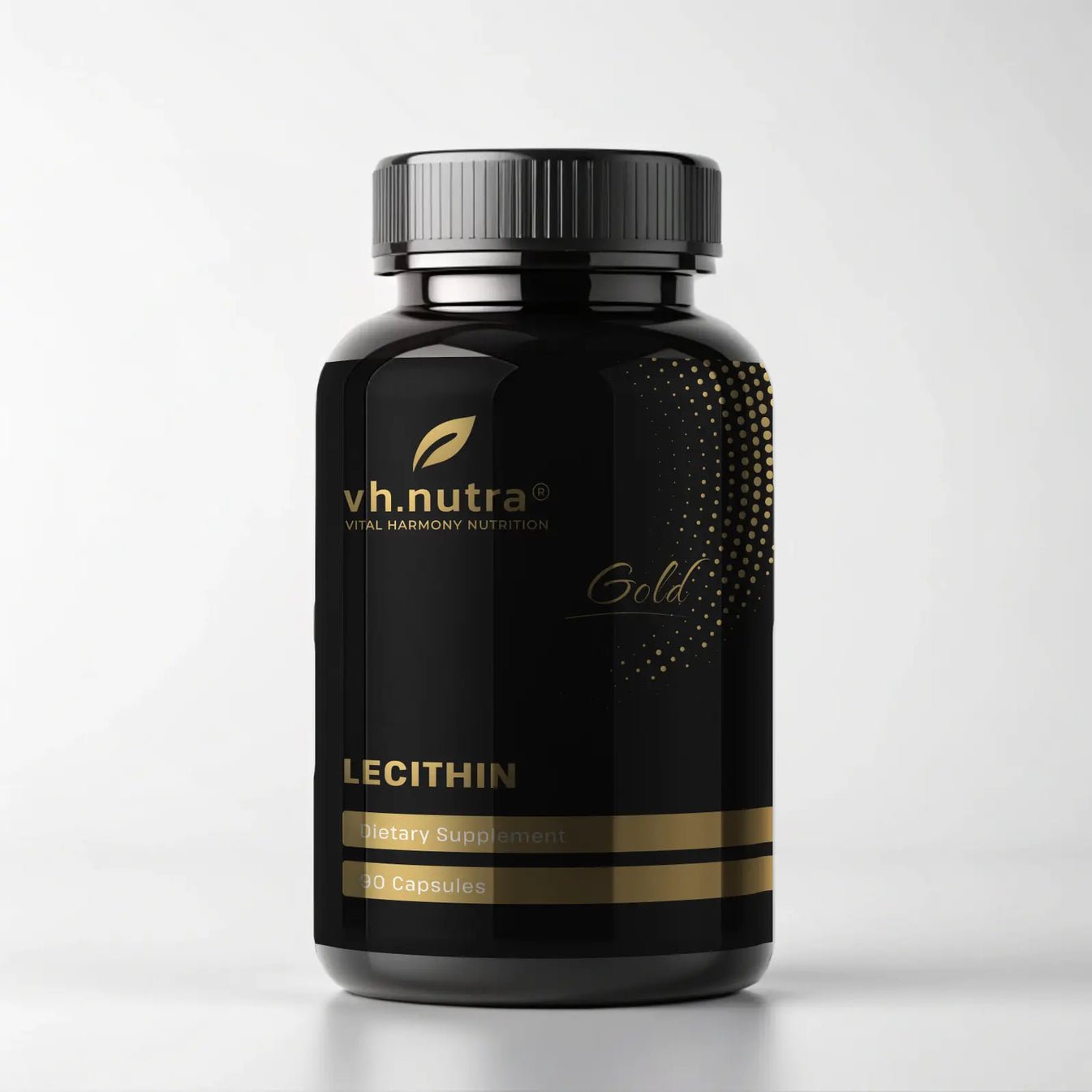
One of the most convenient ways to get choline from food is VH.Nutra sunflower lecithin – a natural source of phosphatidylcholine that is easy to add to your daily routine. Lecithin not only replenishes choline reserves but also supports liver function and brain activity.
Side effects and precautions
An excess of choline from food is practically impossible. However, large doses of choline supplements can cause side effects – a fishy body odour, nausea, diarrhoea or increased sweating. These symptoms usually occur only when taking very large doses that exceed the recommended ones.
People with trimethylaminuria – a rare condition in which the body cannot break down certain choline breakdown products – should be especially careful. In all cases, before starting to take choline supplements, it is wisest to consult your doctor or pharmacist, especially if you already take medication or have liver disorders.
Diet: natural sources of choline
Choline is easiest to get from a varied diet, and some products are true “reservoirs” of it. Among the best natural sources of choline:
- Egg yolks – one of the richest sources of choline (about 150 mg in a single yolk).
- Beef liver and other organ meats.
- Fish – salmon, cod, sardines.
- Soybeans and soy products.
- Chicken and turkey.
- Broccoli, cauliflower and Brussels sprouts.
- Dairy products and nuts.
To be clearer: a single egg yolk provides about a quarter of the daily choline requirement, and a couple of eggs for breakfast – already half. A spoonful of sunflower lecithin, a portion of soy products or a small portion of liver also contribute significantly to the daily amount. If these products appear regularly in your diet, the risk of choline deficiency remains low even without supplements.
Practically, the easiest way to include choline is through breakfast: scrambled or boiled eggs in the morning, a handful of edamame beans as a snack or broccoli for dinner. Those on a vegan diet who do not eat eggs should pay attention to soy products and sunflower lecithin – they help ensure a steady choline intake even without animal products.
According to the U.S. National Institutes of Health, many people – especially pregnant women and vegans – do not get the recommended amount of choline. You can find a detailed scientific review of choline, its functions and recommended amounts in the NIH choline fact sheet.
FAQ: common questions
Can I be deficient in choline? Choline deficiency is more common than thought, especially among vegans, pregnant women and athletes. Symptoms can include fatigue, poor memory, liver dysfunction or muscle weakness. If in doubt, it is worth consulting a doctor and reviewing your diet.
Does choline help with memory? Choline is needed to produce acetylcholine, which is directly linked to memory and learning. For a healthy person, an adequate choline level helps maintain normal cognitive function, but choline is not a miracle product that would instantly improve memory.
What is the best form of choline? Choline bitartrate is most commonly used, but the forms best absorbed by the body are phosphatidylcholine (in lecithin), alpha-GPC and citicoline. Lecithin is a natural and gentle choice, while alpha-GPC is often chosen by athletes because of the higher amount of choline in a single dose.
Is choline important for athletes? Yes, because it is involved in the production of acetylcholine, which transmits signals from nerves to muscles. An adequate choline level helps maintain stable muscle function during long workouts, but for a healthy person additional choline is usually not necessary.
When is the best time to take choline? Choline is best taken with a meal in the morning or during the day, as it can slightly promote alertness. Taking choline in the evening is not recommended if you notice it disrupts sleep. The lecithin form is the gentlest on the stomach.
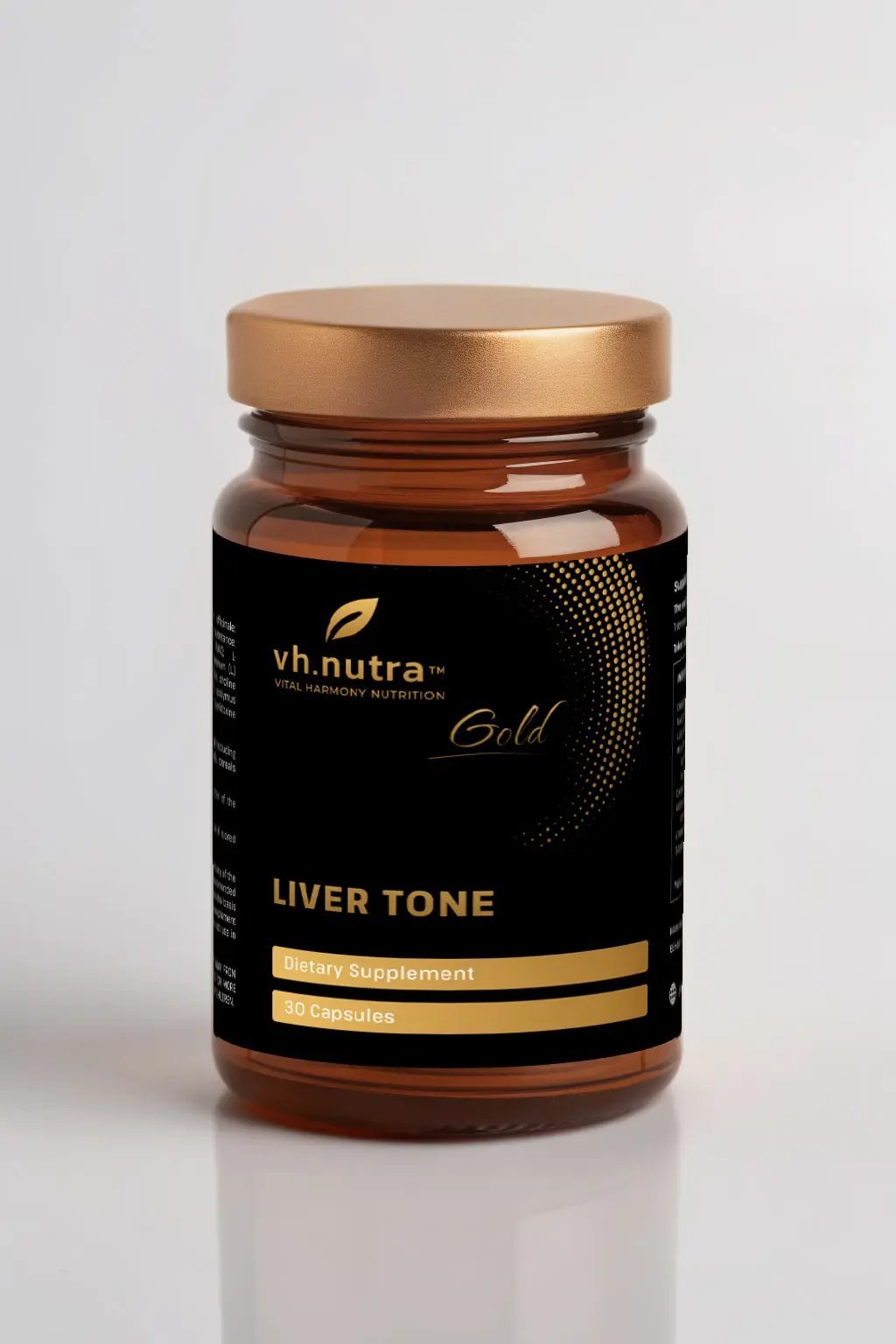
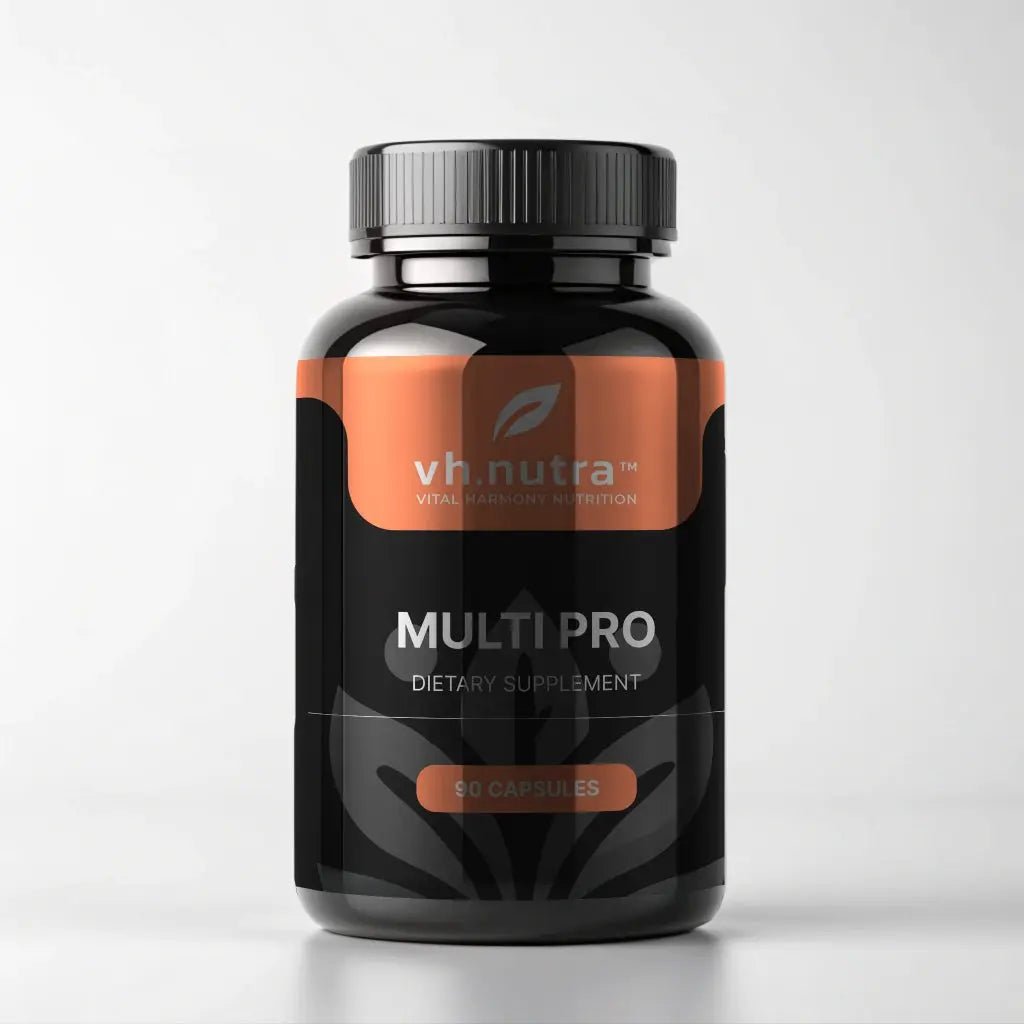
If you want to replenish your choline reserves along with other important substances, take a look at VH.Nutra Liver Tone for liver support and VH.Nutra Multi Pro – a complex in which choline is combined with vitamins and minerals.
Disclaimer: This information is for educational purposes only. Before starting to take supplements, consult your doctor or pharmacist.
Related articles
- Lecithin – 7 benefits for the brain, liver and heart
- Lion’s Mane – 7 benefits for the brain, concentration and nervous system
- Vitamin B12 – 7 benefits for energy, brain and nervous system