Contents
In short:
- Boron is a trace mineral that the body uses for calcium, magnesium and vitamin D metabolism, as well as hormonal balance.
- The best-studied benefits of boron relate to bone density, joint health and sex hormone balance.
- There is no official daily requirement for boron, but supplements usually recommend 3–6 mg per day, while 20 mg is considered the safe upper limit for adults.
- The richest natural sources of boron are raisins, avocados, almonds, prunes and other dried fruits and nuts.
Boron is one of those trace minerals that is rarely discussed, yet its role in the body is broader than it might seem at first glance. This mineral takes part in bone mineralization, helps the body use vitamin D, calcium and magnesium more efficiently, and also contributes to sex hormone balance and brain function. Although only very small amounts of boron are needed, a dietary deficiency can quietly affect bone strength and overall wellbeing. In this article we will look at the seven most important benefits of boron, explain how to take it correctly, which doses are considered safe and where to get this mineral naturally. Reading on, you will learn what boron is really needed for and how to include it in your daily routine.
Key takeaways
- Boron helps the body retain calcium and magnesium and activate vitamin D, which directly contributes to bone strength.
- Research shows that boron supplementation can help maintain testosterone levels in men and estrogen balance in women.
- Boron is considered a safe trace mineral – side effects only occur when recommended doses are greatly exceeded.
What is boron?
Boron is a chemical element and trace mineral found in the human body only in very small amounts – just a few milligrams in total, mostly in the bones, tooth enamel, spleen and thyroid gland. Although boron is not considered an essential element in the same strict sense as, for example, zinc or iron, scientific research increasingly shows that it performs important functions related to mineral metabolism and hormone regulation.
Interestingly, boron does not act in the body as some isolated player – it works together with other minerals. The presence of boron helps the body retain calcium, magnesium and phosphorus, so a deficiency of this trace mineral can indirectly weaken even those minerals that are not lacking in the diet. It is for this reason that boron is most often examined in the context of bone, joint and hormonal health.
Scientists became seriously interested in the importance of boron relatively recently, when research showed that a diet with a very low boron content impairs the absorption of calcium and magnesium as well as hormonal balance. Today many specialists see the recommendation for boron as part of a healthy diet rather than as a separate miracle remedy, but its contribution to bone and joint health is confirmed by more than one study.
1. Supporting bone density and strength
Bones are living tissue that constantly renews itself, and this process needs not only calcium but also the right balance of other minerals and vitamins. Boron plays a supporting but important role in this chain: it helps the body retain calcium and magnesium, which would otherwise be lost to a greater extent through urine.
In studies with postmenopausal women, taking 3 mg of boron per day was found to increase calcium and magnesium retention, which is directly linked to bone mineral density. Together with calcium and vitamin D, boron can help maintain stronger bones, especially in older age, when bone density naturally declines.
2. Improving vitamin D and calcium metabolism
Vitamin D is essential for calcium absorption, but it is not enough on its own – for vitamin D to fully do its job, the body also needs other trace minerals. Boron contributes to vitamin D activation and helps extend its active time in the body, so a boron deficiency can reduce the effectiveness of vitamin D even when you are getting enough of it.
This is especially relevant in Lithuania, where due to lack of sunlight a large part of the population experiences vitamin D deficiency in winter. Combining vitamin D with boron and vitamin K2 makes calcium metabolism smoother – calcium is directed where it is needed, that is into the bones, rather than accumulating in the blood vessels.
3. Supporting joint health and flexibility
Joint health depends on the condition of cartilage and the balance of inflammatory processes in the body. Boron is linked to lower joint inflammation, and epidemiological studies show an interesting pattern: in regions where soil and diet contain less boron, joint diseases are more common.
Some studies have shown that taking 6 mg of boron per day can help reduce joint discomfort and improve mobility. Although boron cannot be compared with glucosamine or chondroitin, it can be a useful additional element for joint care, especially when combined with other minerals important for joints.
4. Supporting testosterone levels and hormonal balance
Boron is one of the few trace minerals whose effect on sex hormones has been observed in controlled studies. In one well-known study, men who took 6 mg of boron per day for 7 weeks showed increased free testosterone levels, while some studies also found a decrease in estradiol.
This effect is explained by the fact that boron takes part in steroid hormone metabolism and can help the body make better use of available testosterone. Of course, boron is not a miracle testosterone booster – its effect is seen primarily in those whose diet is low in boron. Nevertheless, this is one of the reasons why boron is sometimes included in testosterone-supporting complexes.
5. Supporting estrogen balance in women
The effect of boron on hormones is important not only for men. In studies with postmenopausal women, boron supplementation was found to increase estradiol and testosterone levels and improve calcium and magnesium retention – all of which matters not only for bones but also for overall wellbeing, mood and energy.
During menopause, estrogen levels naturally decline, and with them the risk of bone loss increases. In this context, boron can be a useful supporting element that helps maintain hormonal and mineral balance. This is why boron is sometimes mentioned among substances valued for menopause support, although it does not replace treatment prescribed by a doctor.
6. Supporting brain function and concentration
The effect of boron on the brain was noticed rather unexpectedly – in studies where volunteers received a diet with a very low boron content, impaired attention, short-term memory and hand movement coordination were observed. When the boron content of the diet was restored, these indicators improved again.
Boron is thought to take part in brain energy metabolism and may influence cognitive functions, although this area still requires more research. Nevertheless, it is another argument for making sure that the diet does not lack boron – especially in older age, when brain function naturally requires more attention.
7. Reducing inflammation and antioxidant protection
Chronic inflammation is the basis of many chronic diseases, and boron has a mild anti-inflammatory effect. Research shows that boron can reduce the levels of certain inflammatory markers in the body, which is linked to better joint comfort and overall health.
In addition, boron contributes to antioxidant defense – it helps the body use antioxidants such as vitamin E or selenium more efficiently. This effect is not as pronounced as that of specialized antioxidants, but together with a balanced diet boron can become a useful element of daily protection. It is worth emphasizing that boron’s contribution here is indirect – it acts as a helper that allows other substances to do their job more efficiently.
How to take boron?
The daily dose of boron is usually small, because the body needs this mineral only in small amounts. From food an adult gets on average 1–3 mg of boron per day, while supplements usually recommend 3–6 mg per day. Many of the studies that observed a positive effect on bones and hormones used doses of exactly 3–6 mg.
Boron supplements are best taken with or after food, at any time of day, because they have no stimulating or calming effect. The most important thing is regularity – the benefits of boron accumulate gradually, so it is worth taking it continuously rather than occasionally. Boron supplements are conveniently washed down with plain water, and if your diet is rich in dried fruits and nuts, you already get part of the boron naturally.
How long to take it? Most specialists recommend taking boron supplements for several months so that the effect on bones and hormonal balance can appear. The maximum safe dose for adults is considered to be 20 mg of boron per day, but this limit should not be exceeded – it applies to the total boron from food and supplements combined. Always follow the dose stated on the package and do not increase it on your own.
Side effects and precautions
Boron supplements are considered safe – at the usual recommended doses (3–6 mg per day) side effects practically do not occur. Only very rare mild digestive discomfort is possible, which usually disappears after reducing the dose or taking the supplement with food.
Caution is advised for pregnant and breastfeeding women, because there is little safety data for these groups, so it is worth consulting a doctor before use. It is also important not to exceed the 20 mg per day upper limit, because very high doses of boron can cause nausea and other signs of poisoning. More reliable information about the role of boron in health can be found in the official US National Institutes of Health (NIH) boron fact sheet.
Diet: natural sources of boron
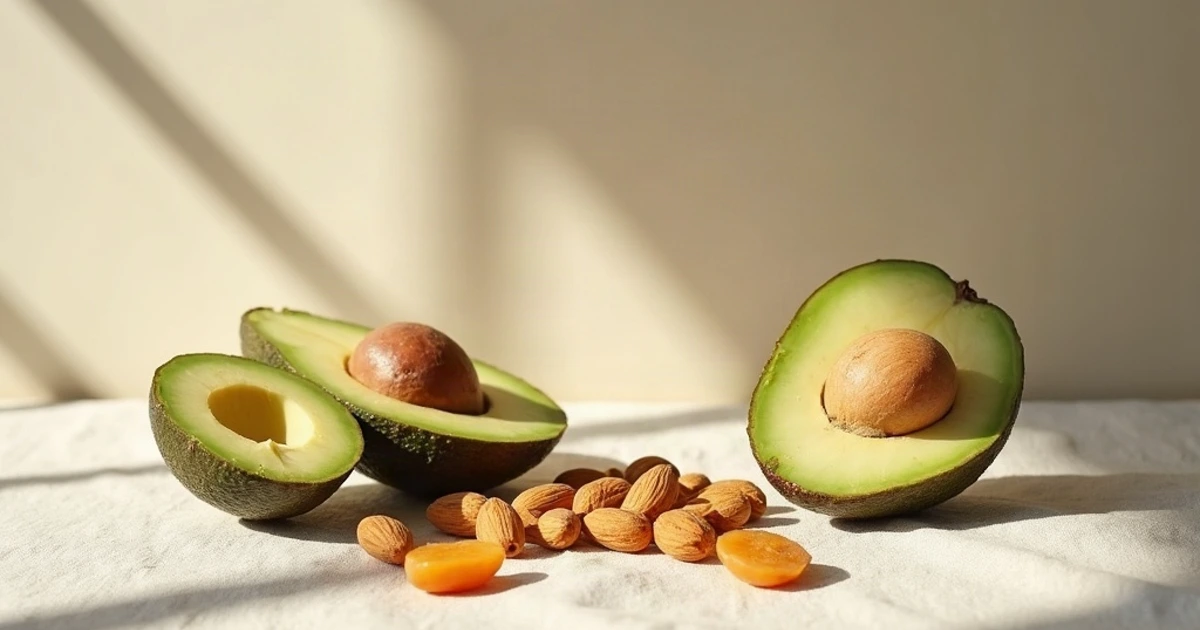
Boron is best obtained from a varied plant-based diet, because it is abundant specifically in dried fruits, nuts and some vegetables. If your diet is varied and rich in these products, you may not need additional boron at all.
- Raisins – one of the richest sources of boron, so a handful of raisins a day can significantly contribute to the daily amount.
- Avocados – besides boron they also contain healthy fats, so they fit perfectly into a daily diet.
- Almonds and nuts – almonds, hazelnuts and peanuts contain a fair amount of boron.
- Prunes and other dried fruits – dried plums, dates and apricots are a concentrated source of boron.
- Apples, pears and red grapes – fresh fruits contain less boron, but they add to the total amount.
- Legumes – chickpeas, lentils and beans also contribute to the boron content of the diet.
FAQ: common questions
How much boron do you need per day? No official daily requirement for boron has been established, but it is thought that an adult should get 1–3 mg of boron per day from food. Supplements usually recommend 3–6 mg of boron per day.
Which form of boron is absorbed best? Supplements most often use boron citrate or boron glycinate, which are well absorbed. Natural forms of boron from food, for example from raisins or avocados, are also absorbed very well.
Does boron help joints? Research shows that boron can help reduce joint inflammation and discomfort, and in regions where the diet contains more boron, joint diseases are less common. However, the effect of boron on joints still requires more research.
Does boron increase testosterone? In some studies, boron supplementation helped increase free testosterone levels, but the effect is seen primarily in those whose diet is low in boron. Boron is not a strong testosterone booster.
Is it safe to take boron daily? Yes, boron is considered a safe trace mineral, and at usual doses side effects practically do not occur. It is important not to exceed the 20 mg per day upper limit.
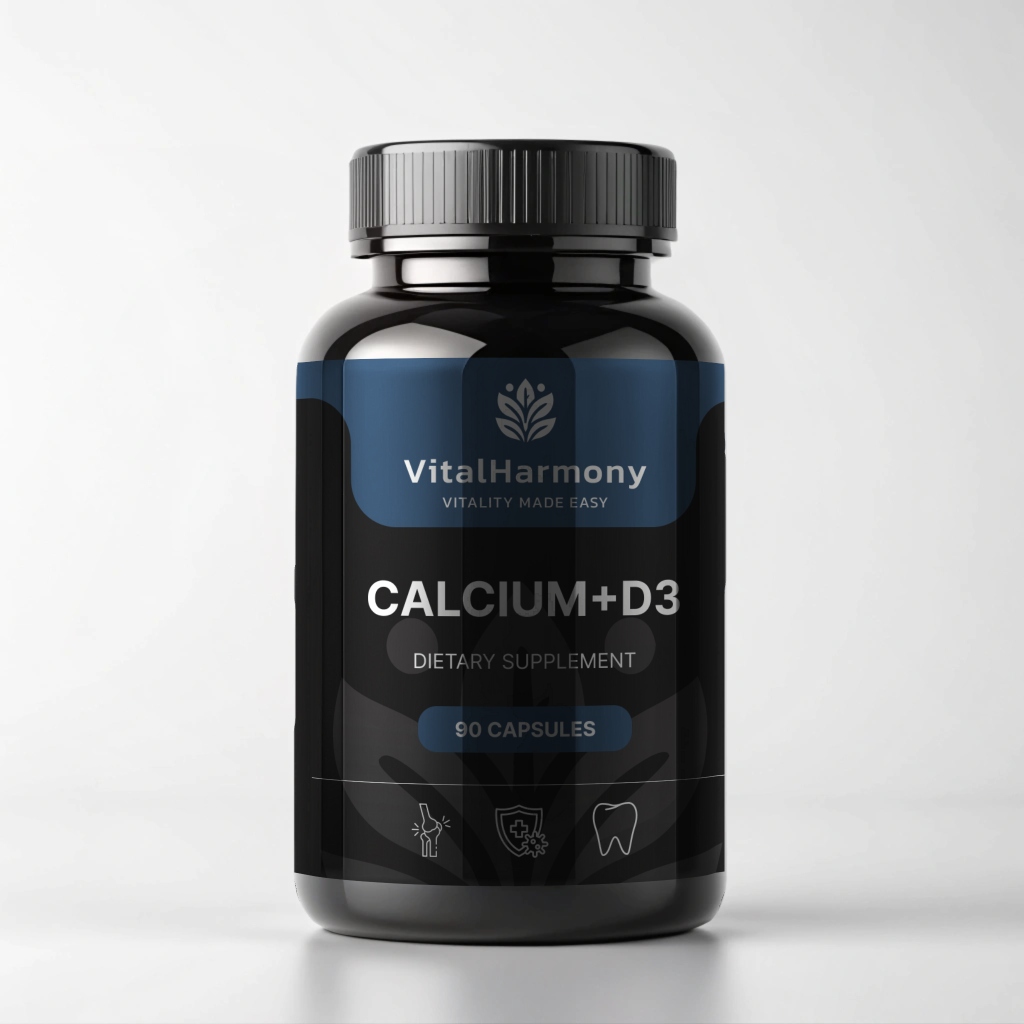
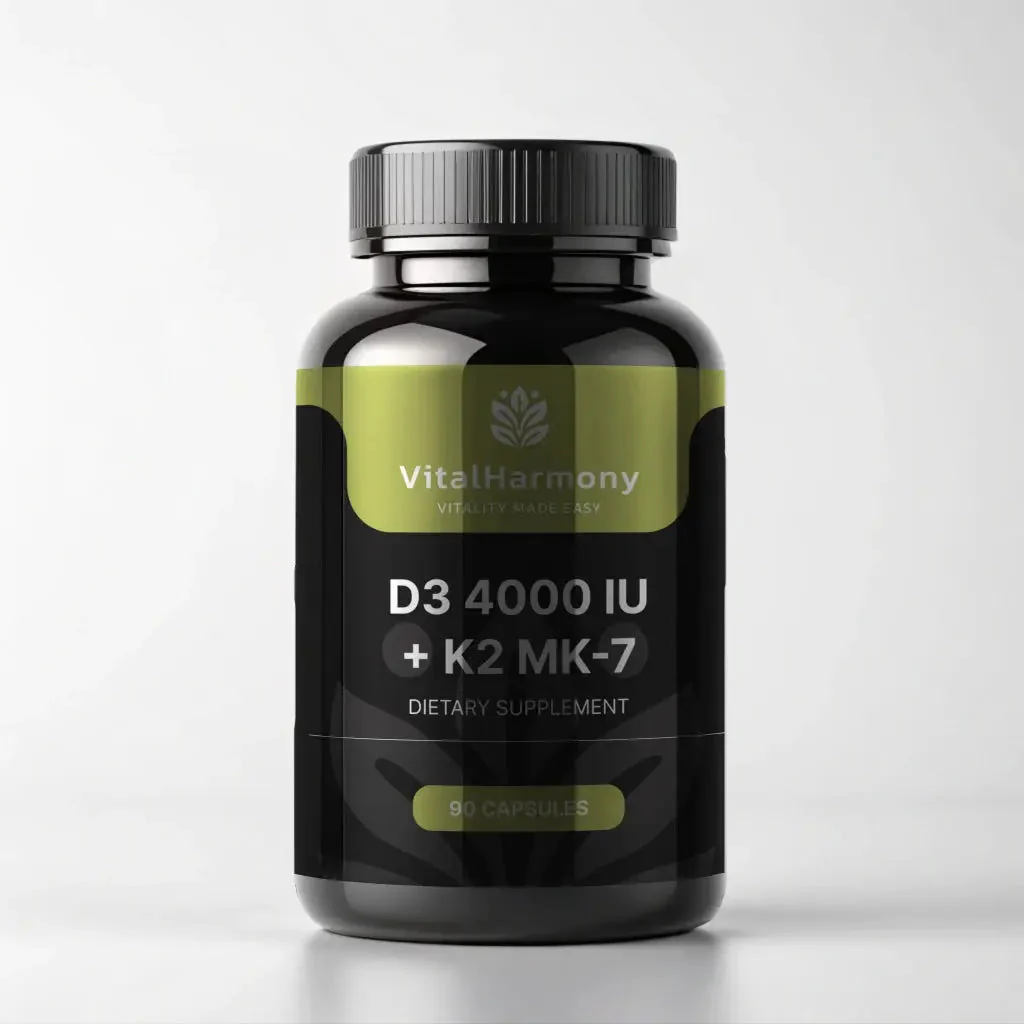
The effect of boron on bones and mineral metabolism is well complemented by other elements important for bones. For example, VitalHarmony Kalcis + D3 combines calcium with vitamin D – the two main substances for bone strength that boron helps the body use more efficiently. And if you want full bone and blood vessel support, it is worth considering VitalHarmony Vitamin D3 + K2, which combines vitamin D with vitamin K2, directing calcium into the bones.
Disclaimer: This information is for educational purposes only. Before starting to take supplements, consult your doctor or pharmacist.
Related articles
- Calcium – 7 benefits for bones, muscles and overall health
- Vitamin D – 7 benefits for immunity, bones and mood
- Vitamin K2 – 7 benefits for bones, heart and blood vessels