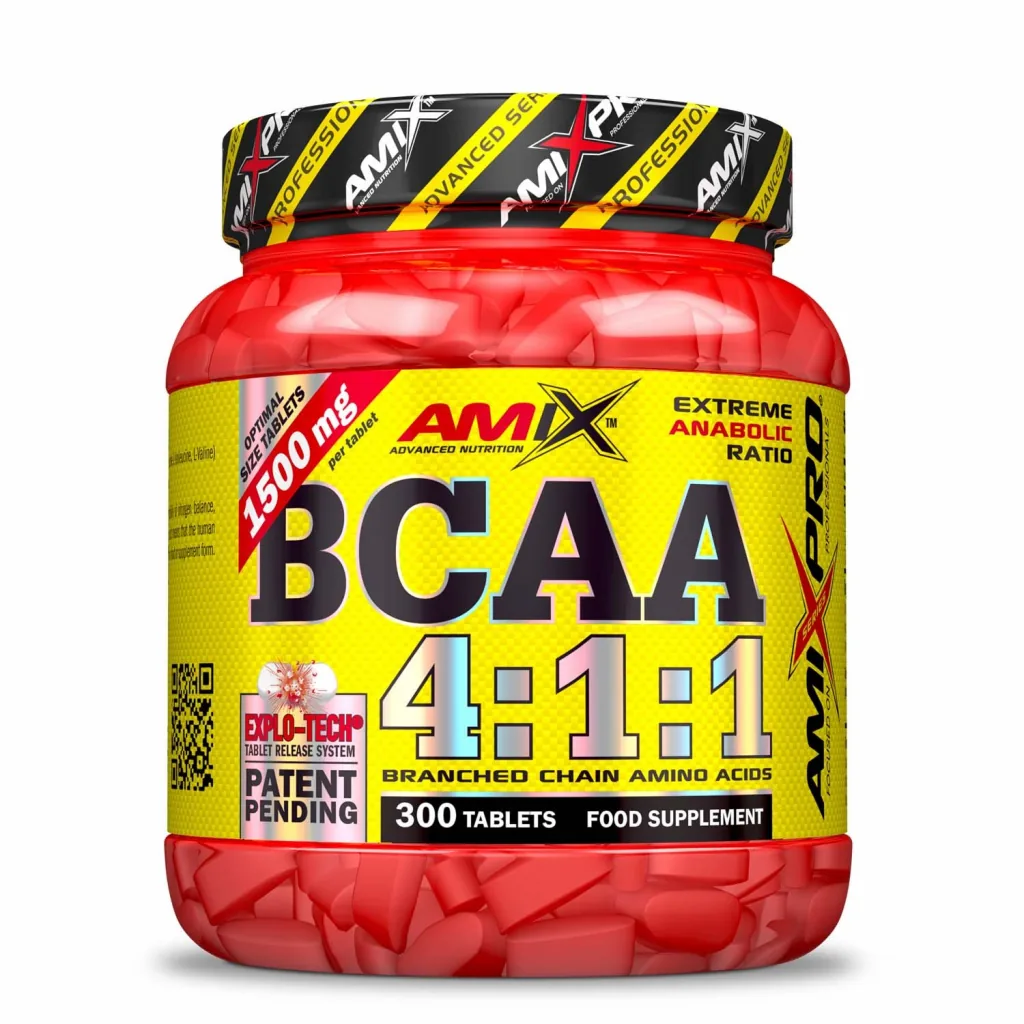
BCAA are three branched-chain amino acids: leucine, isoleucine and valine, which make up roughly a third of all muscle protein. These three essential amino acids are valued in sports nutrition for their ability to promote muscle recovery, reduce fatigue and help preserve lean mass. Although supplements alone cannot replace a balanced diet or consistent training, quality BCAA can become a valuable ally in reaching your athletic goals. In this article we will review the 7 most important benefits of branched-chain amino acids and explain how to take BCAA correctly.
Key Takeaways
- BCAA — three essential amino acids (leucine, isoleucine and valine) that make up about 35% of muscle protein.
- Leucine is the main activator of muscle protein synthesis — it directly switches on the mTOR signaling pathway.
- The recommended daily BCAA dose is 5–10 grams, divided before, during and after training.
- Branched-chain amino acids help reduce muscle soreness and central fatigue during long workouts.
Contents
What Are BCAA?
BCAA (branched-chain amino acids) are leucine, isoleucine and valine. These three amino acids are essential, meaning the body cannot produce them on its own, so they must be obtained from food or supplements. Branched-chain amino acids stand out due to their chemical structure — their side chain is branched, which is why they are metabolized directly in muscle cells rather than in the liver, unlike most other amino acids.
BCAA are abundant in animal protein: chicken, beef, eggs, fish and dairy products. However, for athletes it is often more convenient to get a precise dose from supplements, especially on training days when the body needs more fast-absorbing amino acids. In the review by the U.S. National Institutes of Health Office of Dietary Supplements, branched-chain amino acids are listed among the supplements most commonly used by athletes for recovery and to support muscle protein synthesis.
It is important to understand that BCAA are not a complete protein substitute — they do not contain all nine essential amino acids. Therefore branched-chain amino acids work best as an additional tool alongside a complete diet. Read more about the benefits of other amino acids for sport in our article about the benefits of L-glutamine for muscle recovery.
1. Stimulating Muscle Protein Synthesis
The main benefit of BCAA is linked to muscle protein synthesis, and leucine plays the most important role here. This amino acid acts as a direct activator of the mTOR signaling pathway — the mechanism that switches on the production of new muscle protein. The more leucine reaches the muscle cells after training, the stronger the signal to recover and grow.
Isoleucine and valine are also important in this process: isoleucine takes part in energy production and helps regulate blood sugar, while valine supports nitrogen balance and tissue integrity. For this reason branched-chain amino acids work best together rather than separately. For example, AmixPro BCAA 4:1:1 300tbl has a special 4:1:1 ratio in which leucine dominates — a proportion considered one of the most effective for stimulating muscle growth.
2. Faster Recovery After Training
During intense training, muscle fibers sustain micro-damage that the body must repair for the muscle to grow stronger. BCAA help speed up this process because they supply the muscles with building blocks exactly when demand is highest. Faster recovery means you can perform your next workout better and with less fatigue.
Branched-chain amino acids are superior to other amino acids here because, once consumed, they reach the blood and muscles almost immediately, bypassing liver filtration. This is especially important after training, when the body’s sensitivity to nutrients is elevated. Regular use of BCAA means the muscles feel constant strain less, and the overall recovery cycle between workouts shortens.
The recovery benefit of branched-chain amino acids shows up best when they are taken consistently rather than only occasionally. On training days it is worth getting a serving right after the workout, and on rest days — between meals, so the body always has the necessary supply of leucine, isoleucine and valine. This regularity helps avoid prolonged muscle fatigue and maintains a stable recovery rhythm even under a heavy training load.
3. Reducing Muscle Soreness
Delayed onset muscle soreness (DOMS) is familiar to anyone who has ever overtrained — muscles ache for 24–72 hours after exercise and movements become restricted. Research shows that taking BCAA before and after training can significantly reduce the intensity of this soreness, because it reduces the extent of muscle damage and the release of creatine kinase into the blood.
Branched-chain amino acids will not completely eliminate muscle soreness, but in practice many athletes notice that with BCAA they recover faster and suffer less the day after a hard workout. If you train often, this benefit becomes especially relevant. For convenient daily use, AmixPro BCAA 4:1:1 150tbl is a compact package that is easy to keep on hand both in the gym and at home.
4. Increasing Endurance and Reducing Fatigue
The benefits of BCAA are not limited to muscle recovery — branched-chain amino acids can help fight so-called central fatigue. During long workouts, levels of tryptophan rise in the brain, and serotonin, which promotes the feeling of fatigue, is produced from it. Because leucine, isoleucine and valine compete with tryptophan for the same transporters into the brain, a sufficient amount in the blood helps delay this fatigue.
In practice this means that during longer endurance workouts or competitions, BCAA can help you maintain focus longer and reduce the subjective feeling of effort. This benefit is most noticeable during exercise lasting more than an hour. If your goal is to improve endurance, it is worth combining branched-chain amino acids with beta-alanine, which reduces muscle acidity — these two supplements complement each other well.
5. Preserving Muscle Mass While Losing Weight
When losing weight, the body often burns not only fat but also muscle, especially if the calorie deficit is large. BCAA help protect lean muscle mass during this period because they reduce muscle protein breakdown and support protein synthesis even at the most unfavorable moment. This is especially important for losing weight healthily and keeping your body shape.
Branched-chain amino acids act here as a protective mechanism: when the body lacks energy, it is less inclined to “eat away” muscle if the blood contains enough leucine, isoleucine and valine. Combining BCAA with adequate protein intake and strength training makes the weight loss process more effective, and the muscles stay firm. This is one of the reasons why BCAA supplements are popular among athletes who are cutting.
It is important to emphasize that branched-chain amino acids work best during weight loss together with adequate overall protein intake. BCAA alone will not replace complete proteins, but they will complement their effect and help the body preserve as much lean mass as possible. The result — a firmer body composition and more visible weight loss changes.
6. An Energy Source During Long Workouts
During a long workout the body gradually depletes its glycogen stores, so it starts using alternative sources for energy production. Branched-chain amino acids, especially valine and isoleucine, can be oxidized directly in the muscles and converted into energy. This provides extra fuel when carbohydrate stores are running low.
In addition, taking BCAA during training helps maintain stable blood sugar and protects against a sudden energy drop. For this reason branched-chain amino acids are often found in intra-workout drinks. For athletes who train long or several times a day, this can be a significant advantage over those who train on “empty” stores.
Because of this property, BCAA are often chosen by those who like to train fasted, for example in the morning before breakfast. Branched-chain amino acids in this case help protect muscles from breakdown and provide a light energy source without upsetting the stomach. It is a convenient way to maintain training quality when a full meal before sport is not possible.
7. Supporting Immunity and Overall Well-Being
Intense training temporarily weakens the immune system — after heavy exertion the body is more susceptible to colds and infections. BCAA indirectly contribute to immune support because they reduce overall body stress and help you recover faster, which allows the immune system to work more efficiently. With regular exercise, this effect can be quite noticeable.
Branched-chain amino acids are also important for overall well-being: valine takes part in energy metabolism and nervous system function, while leucine is needed not only for muscles but also for various recovery processes in the body. If you are looking for a convenient way to get BCAA together with energy, XXL Nutrition BCAA energy drink combines branched-chain amino acids with energy-boosting components — a practical choice before training.
How to Take BCAA?
Recommended dose: the most commonly recommended daily BCAA dose is 5–10 grams, but it can vary depending on body weight and training intensity. A general rule is about 0.1 grams per kilogram of body weight. For example, a person weighing 80 kg would need roughly 8 grams of branched-chain amino acids per day.
When to take: BCAA are most effective when taken before, during or immediately after training. Many athletes divide the dose into two servings — one before training for energy and to reduce fatigue, the other after training for recovery. On rest days, branched-chain amino acids can be taken between meals or in the morning on an empty stomach.
Duration of use and maximum safe dose: BCAA can be taken in long-term cycles without mandatory breaks. In studies, even up to 20 grams per day was well tolerated, but doses above 10 grams usually provide no additional benefit. StayStrong offers AmixPro BCAA 4:1:1 300tbl and AmixPro BCAA 4:1:1 150tbl — convenient supplements with a clear 4:1:1 ratio and simple dosing.
Possible Side Effects
BCAA are well tolerated by most people and are considered one of the safest sports supplements. In rare cases, especially when taking large doses on an empty stomach, mild digestive issues may occur — bloating, nausea or diarrhea. These symptoms usually pass after reducing the dose or starting to take branched-chain amino acids with food.
Caution is advised for people with diabetes or liver disease, because BCAA can affect glucose metabolism, so in such cases it is worth consulting a doctor. Pregnant and breastfeeding women, as well as children, should also seek medical advice before starting to take branched-chain amino acids.
BCAA and Creatine — What You Should Know?
BCAA and creatine are often mentioned together, but they do different jobs. Creatine increases energy production in muscle cells and improves strength and explosive power, while branched-chain amino acids primarily support muscle protein synthesis and recovery. For this reason they do not conflict with each other — on the contrary, they combine well in a shared sports supplement plan.
When combining these two supplements, it is recommended to stick to standard doses: 5–10 grams of BCAA and 3–5 grams of creatine per day. The safety of both supplements is confirmed by long-term research, so combining them is easy even for beginners. Read more about the effects of creatine in our article about creatine and its benefits for sport.
Frequently Asked Questions
What are BCAA and where do they come from?
BCAA are the branched-chain amino acids leucine, isoleucine and valine, which the body cannot produce on its own. They are naturally abundant in meat, eggs, fish and dairy products, while supplement form allows you to conveniently get a precise dose on training days.
Do BCAA help build muscle?
BCAA do not directly grow muscle the way complete proteins do, but leucine switches on muscle protein synthesis, while isoleucine and valine support recovery. Together with training and proper nutrition, branched-chain amino acids create more favorable conditions for muscle mass to increase.
When is the best time to take BCAA?
BCAA are most effective when taken before, during or immediately after training. It is convenient to divide the dose into two servings — one before exercise for energy, the other after exercise for recovery. On rest days, branched-chain amino acids can be taken between meals.
Can BCAA be combined with other supplements?
Yes, branched-chain amino acids combine well with creatine, protein and beta-alanine. In the StayStrong range you will find AmixPro BCAA 4:1:1 300tbl, which is convenient to combine with other sports supplements according to your goals.
Disclaimer: This information is for educational purposes only and cannot replace professional medical advice. Before taking any dietary supplements, be sure to consult a doctor or pharmacist.
Related Articles
- Creatine: 7 Benefits for Muscles, Brain and Athletic Performance
- L-Glutamine: 7 Benefits for Gut, Immunity and Muscle Recovery
- HMB: 7 Benefits for Muscles, Recovery and Sport