Protein is the body’s main building material, from which muscles, skin, hair, enzymes and hormones are made. Without a sufficient amount of this macronutrient, the body simply cannot grow, recover and function properly. Whether you exercise, want to maintain muscle mass, or simply feel fuller for longer, a quality protein supplement can be a simple and convenient solution. In this article you will learn the 7 most important benefits of protein and how to use it correctly.
Key Takeaways
- Protein – the main building material of muscles, tissues and enzymes, made up of 20 amino acids.
- The recommended daily intake for active people is 1.6–2.2 g per kilogram of body weight.
- This nutrient supports muscle recovery, keeps you fuller for longer and supports the immune system.
- The most practical choice is whey protein, which is absorbed quickly and easily helps meet your daily target.
Turinys
Contents
What is protein?
This nutrient is one of the three main energy sources in the body, alongside carbohydrates and fats. Unlike these two energy sources, protein primarily performs a structural function – the body uses it to build and renew almost all of its tissues.
Every protein in the body is made up of smaller building blocks called amino acids. In total, the human body needs 20 amino acids, of which 9 are the so-called essential amino acids – the body cannot produce them itself, so they must be obtained from food or supplements.
It is precisely the amount and ratio of these essential amino acids that determines the quality of a protein source. Animal-based protein – meat, eggs, dairy products and whey – contains all 9 essential amino acids in the right proportions, which is why it is called complete protein.
Plant-based sources, such as legumes, nuts or grains, often contain only some of the amino acids, so they need to be combined. This is important to know when choosing how to meet your daily target for this nutrient.
1. Muscle growth and strength gains
Muscles grow when the body receives more building material than it uses. That is why protein is the single most important nutrient for anyone who wants to build muscle mass or increase strength in the gym.
During strength training, micro-tears appear in muscle fibres, and protein supplies the body with the amino acids needed to repair this damage and build new fibres. Without a sufficient amount, even the most intense workouts will not produce the desired result.
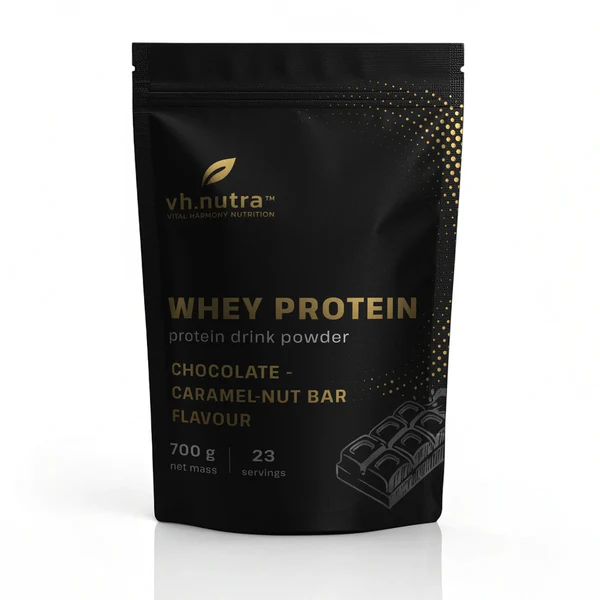
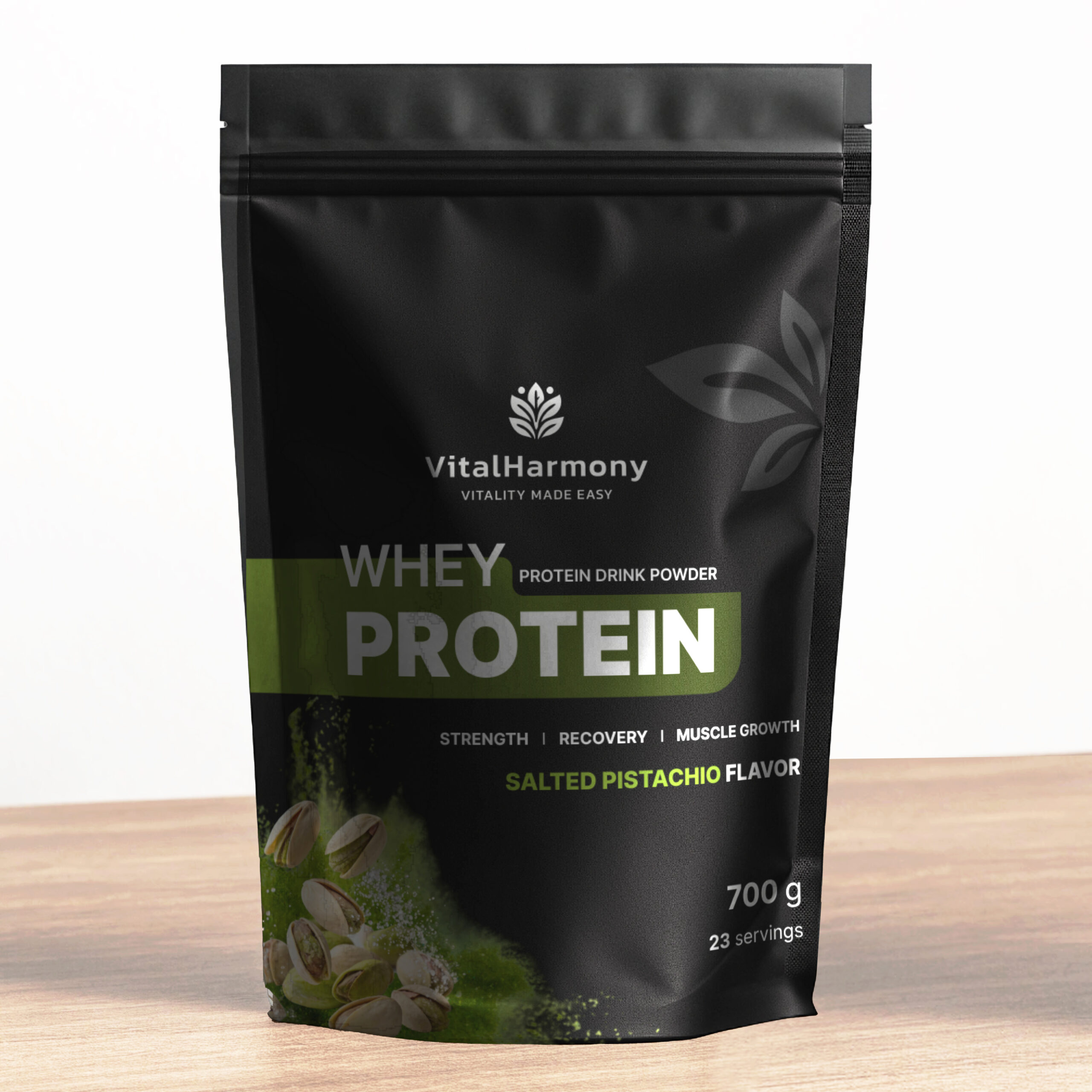
Research shows that the best muscle-building results are achieved by spreading your intake evenly throughout the day – 20–40 g at each meal. For example, VH.Nutra GOLD WHEY provides a high-quality blend that is easy to add to any meal of the day.
It is worth noting that this macronutrient alone will not build muscle – it also requires the right training load and a calorie surplus. Nevertheless, it is the foundation without which muscle growth is simply impossible.
2. Muscle recovery after training
After an intense workout, muscles need not only time but also building material for recovery. The sooner the body receives amino acids, the more efficiently recovery processes take place and the less muscle soreness you feel the next day.
Protein after training helps reduce muscle damage and speed up the replenishment of glycogen stores. For this reason, athletes are often advised to consume a portion within 30–60 minutes after finishing a workout.
Fast-absorbing whey protein is especially valuable here, because it quickly raises amino acid levels in the blood. By combining it with adequate rest, you will help your muscles recover faster and be ready for the next training session.
Other substances are also important for muscle recovery – for example, BCAA amino acids or creatine, which perfectly complement this building material for athletes.
3. Satiety and weight control
This macronutrient is the most satiating nutrient – it keeps you feeling full for longer than carbohydrates or fats. This means that after a protein-rich meal you are less tempted to snack between main meals.
This satiety effect directly helps you control your calorie intake. When you feel less hungry, you naturally eat less, which over time helps you maintain or reduce body weight.
In addition, protein has a higher thermic effect than other nutrients – the body burns more calories simply digesting it. This is another reason why such a diet is a sensible choice for those aiming for a leaner body.
If you want to cut calories while staying full, a shake can be a great solution. For example, VH.Nutra Whey Protein lets you quickly get a protein serving without a large amount of carbohydrates.
4. Supporting bone health
Although calcium usually comes to mind when talking about bones, this macronutrient plays no less important a role in this area. It makes up about a third of bone tissue mass and is essential for maintaining bone structure.
Research shows that adequate intake of this substance is associated with higher bone density and a lower risk of fractures, especially in older age. This is particularly relevant for postmenopausal women, whose risk of bone loss increases.
Protein works together with calcium and vitamin D – these substances complement each other in the bone mineralisation process. Therefore, when looking after bone health, it is worth ensuring not only enough calcium but also enough of this building material in your diet.
Regular intake combined with weight-bearing exercise is one of the best strategies for preserving bone health for years to come.
5. Supporting immunity and hormone production
The immune system depends directly on proteins, because antibodies – the body’s main defenders against infection – are exactly this type of compound. When there is a shortage, the immune response can weaken.
This macronutrient is also the basis of many hormones and enzymes. Growth hormone, insulin and thyroid hormones are all compounds of this kind, whose production requires enough amino acids.
The enzymes responsible for digestion and hundreds of other reactions in the body are also protein-based. Without these compounds, normal body function would be impossible.
So a sufficient amount is the foundation not only of muscles but also of the entire endocrine and immune systems.
6. Boosting metabolism
Digesting this macronutrient requires more energy than processing carbohydrates or fats. This phenomenon is called the thermic effect of food, and protein has the highest value – up to 30 % of the calories it contains are burned simply by digesting it.
Therefore, a diet rich in protein can slightly increase your total daily calorie expenditure. Although this effect is not huge, it contributes to a more active metabolism.
In addition, this nutrient helps preserve muscle mass while losing weight, and muscle is the most metabolically active tissue – the more muscle you have, the more calories you burn even at rest.
To maintain an active metabolism, it is important to spread protein intake evenly throughout the day rather than consuming one large amount in the evening. This principle helps the body constantly have enough amino acids for recovery and energy processes.
7. Hair, skin and nail health
Hair, skin and nails are almost entirely made of this substance – their main structural component is the protein keratin. When the body lacks it, these tissues are often the first to feel the effects.
Hair loss, brittle nails and dull skin can be a sign that intake is insufficient. Once you top up your daily target, these tissues often recover within a few weeks.
Collagen – another important structural protein – supports skin elasticity and firmness. Together with overall intake, it contributes to healthier-looking skin and stronger nails.
So this macronutrient is the foundation not only of muscle but also of beauty from within – a sufficient amount is reflected in healthy hair, skin and nails.
How to use protein?
For this nutrient to actually deliver benefits, it is important not only to take it but also to do so correctly. Here is what you should know before you start.
Dosage. The general recommendation for adults is about 0.8 g per kilogram of body weight per day. For those who exercise or want to build muscle, this rises to 1.6–2.2 g per kilogram. For example, an active 80 kg person would need roughly 128–176 g of protein per day.
When to take it. It is best to spread this substance evenly throughout the day – 20–40 g at each meal. After a workout, it is worth taking a portion within 30–60 minutes, because that is when the body absorbs amino acids most efficiently.
Duration. Protein is not a short-term supplement – taking it should be a permanent part of your daily diet. Results come gradually, so consistency matters more than a short, intense period of use.
Maximum dose. For healthy people, a higher amount is generally safe, but it is not recommended to exceed 3 g per kilogram per day without reason. People with kidney disease should consult a doctor before increasing their intake.
StayStrong offers VH.Nutra Beef Protein – beef protein powder that is naturally lactose-free and suitable for those who cannot tolerate dairy. It is a convenient way to top up your daily target without lactose.
Possible side effects
This macronutrient is considered a very safe nutrient, and most people tolerate it without any problems even at higher amounts over a long period. In clinical studies, side effects were rare.
The most common discomfort is related to digestion – large portions at once can cause bloating or a feeling of heaviness. These symptoms are easy to avoid by splitting your intake into several smaller portions throughout the day.
People who are lactose intolerant may not tolerate some whey products – in that case it is worth choosing isolates or beef protein, which contains no lactose.
People with kidney or liver disease should consult a doctor before increasing their intake, because these organs process the breakdown products of this substance.
Protein and weight control – what you need to know?
One of the most common mistakes when losing weight is too little protein in the diet. When calorie intake drops, the body may start breaking down muscle for energy, which slows the metabolism and makes weight loss harder.
Adequate intake of this substance helps protect muscle mass during a calorie deficit. This way the body mostly burns fat rather than muscle, which is exactly the result you want when slimming down.
This effect on weight control is confirmed by scientific sources – a review from the Harvard T.H. Chan School of Public Health emphasises that a higher-protein diet helps you feel full for longer and may contribute to a healthier body composition.
If your goal is weight control, combine protein intake with a balanced diet and regular physical activity. Supplements such as whey protein are a support tool, not a substitute for a healthy lifestyle.
Frequently asked questions
How much do I need per day? A non-exercising adult is recommended about 0.8 g per kilogram of body weight. Those who exercise regularly or want to build muscle – 1.6–2.2 g per kilogram. It is worth calculating the exact amount based on your weight and goals.
Can I take it every day? Yes, this nutrient is essential and the body needs it every single day. Supplements are just a convenient way to top up your daily target when you cannot get enough from food.
When is the best time to drink a shake? The most popular time is after a workout, but it can be taken at any time of day – in the morning, between meals or in the evening. What matters most is the total amount of protein consumed per day, not the specific time.
Does it harm the kidneys? For healthy people, a higher amount does not harm the kidneys. Only those who already have kidney disease should be cautious – they should consult a doctor before increasing their intake. For example, VH.Nutra Whey Protein is a common choice for healthy, active people.
Disclaimer: The information in this article is for educational purposes only and cannot replace professional medical advice. Before taking any dietary supplements, especially if you have chronic conditions or take prescription medication, be sure to consult a doctor or pharmacist.
Protein products at StayStrong.lt
StayStrong.lt offers high-quality protein products – choose the one that suits you best: