Alpha lipoic acid is a powerful antioxidant that the body produces on its own, but often in insufficient amounts. This compound, soluble in both water and fat, works in every cell and helps protect them from damage caused by free radicals. Alpha lipoic acid also takes part in energy production and helps the body use glucose more efficiently. In this article you will learn the 7 most important benefits of alpha lipoic acid, the recommended dose and how to choose a quality supplement.
Key takeaways
- Alpha lipoic acid is a universal antioxidant, soluble in both water and fat – so it works in every cell of the body.
- Recommended daily dose: 300–600 mg, taken on an empty stomach about 30 minutes before a meal.
- ALA helps maintain normal blood sugar, protect the nervous system, improve skin condition and boost energy.
- Natural sources include broccoli, spinach, tomatoes and red meat, but their content of this substance is low.
Turinys
Contents
What is alpha lipoic acid?
Alpha lipoic acid (often abbreviated as ALA) is a sulphur-containing compound that the body produces in small amounts on its own. This substance is also known as lipoic acid or thioctic acid, and in scientific literature it appears as α-lipoic acid. Unlike many other antioxidants, alpha lipoic acid dissolves in both water and fat, so it can reach nearly all cells of the body.
The main task of alpha lipoic acid is to take part in energy production in the cell’s mitochondria, where it helps convert food into energy. In addition, this antioxidant can regenerate other antioxidants such as vitamin C, vitamin E and glutathione, strengthening the body’s overall protection. However, with age or during intense physical load, the body’s own production of alpha lipoic acid may fall short, so it is worth obtaining it additionally from food or supplements.
Naturally, alpha lipoic acid can be found in broccoli, spinach, tomatoes, Brussels sprouts and red meat, but the amounts of this substance in these foods are very small. For example, to obtain the same dose as a single supplement capsule provides, you would need to eat several kilograms of vegetables. Therefore, for a noticeable effect, a quality alpha lipoic acid supplement is the most convenient option.
1. Powerful antioxidant action
Alpha lipoic acid is one of the strongest natural antioxidants, neutralising free radicals – unstable molecules that can damage cells and accelerate ageing. Most importantly, this antioxidant works both inside and outside the cell, because it dissolves in both water and fat.
Another unique property of alpha lipoic acid is its ability to restore the activity of other antioxidants. When vitamin C or vitamin E neutralises a free radical, they themselves become inactive, but ALA can regenerate them and put them back to work. That is why alpha lipoic acid is often called the “antioxidant of antioxidants”, and the Linus Pauling Institute review highlights its versatility in protecting cells from oxidative damage.
2. Supporting normal blood sugar levels
Alpha lipoic acid actively participates in glucose metabolism – it helps cells absorb sugar from the blood more efficiently and increases insulin sensitivity. For this reason, alpha lipoic acid is especially interesting for people who want to maintain stable blood sugar levels or who are prone to fluctuations.
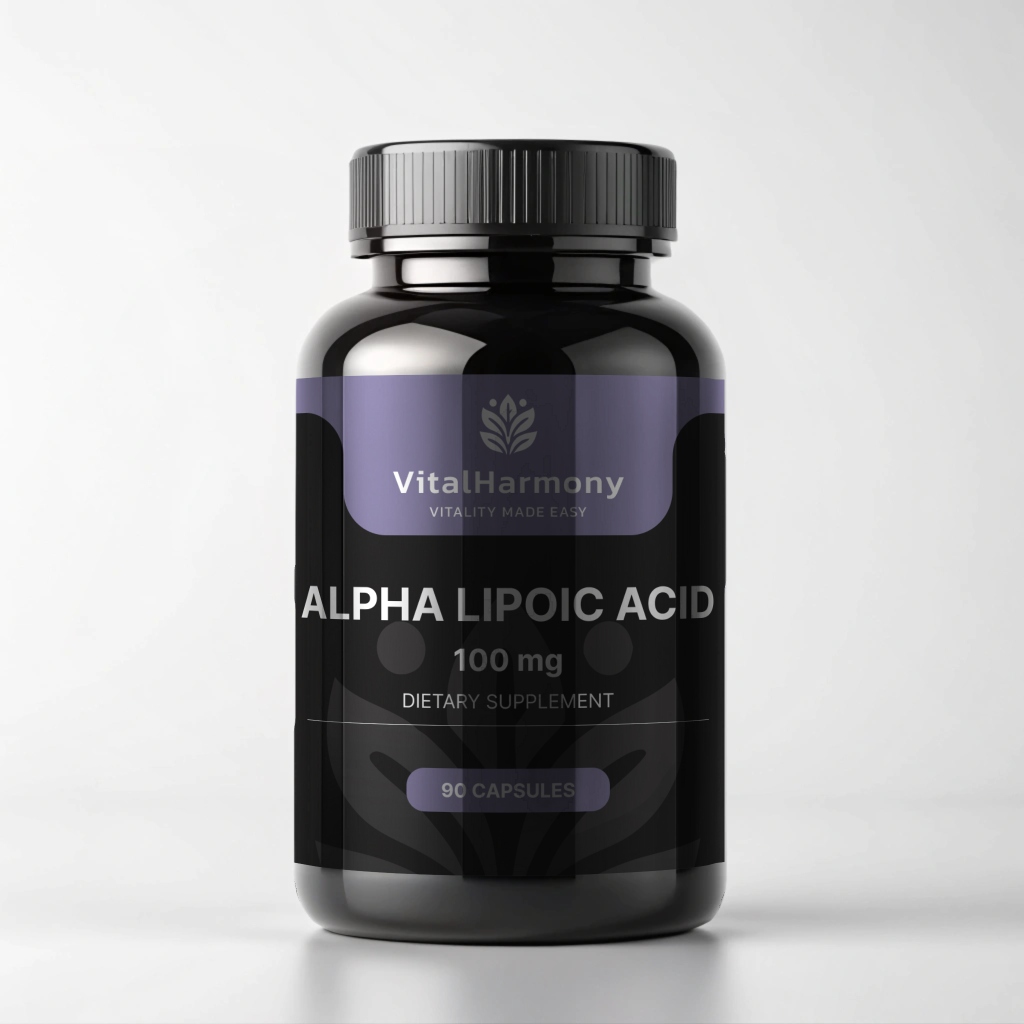
Some studies show that regular ALA intake can help reduce fasting glucose levels and improve the body’s response to insulin. If you are looking for a supplement for this purpose, pay attention to the alpha lipoic acid supplement – a standardised 100 mg dose per capsule makes it easy to control your daily intake.
3. Protecting the nervous system
Alpha lipoic acid has been widely studied for its positive effect on the nervous system. Because this antioxidant can penetrate nerve cells and protect them from oxidative damage, it is useful for maintaining peripheral nerve function – especially for people who, due to blood sugar fluctuations, may experience tingling or numbness in the limbs.
Studies show that long-term use of alpha lipoic acid can help reduce neuropathy symptoms – pain, burning sensation and numbness. This makes the compound a valuable choice for those who want to take care of their nerve health in advance. A quality alpha lipoic acid supplement can be added to your daily routine together with other nerve-friendly ingredients.
4. Skin health and anti-ageing protection
As a universal antioxidant, alpha lipoic acid is increasingly mentioned in the context of skincare. This compound helps neutralise free radicals caused in the skin by ultraviolet rays, pollution and stress, so it can help slow down the signs of premature ageing – fine wrinkles and a dull complexion.
Alpha lipoic acid can also help even out skin tone and reduce the appearance of pores, because it acts as a gentle exfoliator at the cellular level. Although ALA is usually added to skincare products for topical use, taking alpha lipoic acid in supplement form gives the body antioxidant protection from within, which in the long run is reflected in the condition of the skin.
5. Energy production and less fatigue
Alpha lipoic acid is an essential participant in the work of mitochondria – the “energy power plants” of cells. Inside mitochondria, this compound helps convert nutrients into adenosine triphosphate (ATP), which is the main source of cellular energy. Therefore, a sufficient level of alpha lipoic acid can contribute to higher energy levels and less fatigue.
In addition, alpha lipoic acid is often combined with coenzyme Q10, which also takes part in energy production – this pair complements each other and enhances the antioxidant effect. If you feel a lack of energy during the day, it is worth considering adding alpha lipoic acid to your supplement routine.
6. Liver health and detoxification
The liver is the body’s main detoxification organ, and alpha lipoic acid provides it with important antioxidant protection. This compound helps protect liver cells from toxins and free radical damage and can support liver function after intense physical load or when taking various medications.
Studies show that alpha lipoic acid can help reduce markers of liver inflammation and support healthy liver enzyme activity. For this reason, ALA is often included in liver support complexes together with other antioxidant substances such as silymarin or vitamin E.
7. Heart and cardiovascular health
Alpha lipoic acid can contribute to heart and cardiovascular health in several ways. First, this antioxidant helps protect blood vessel walls from oxidative damage and supports healthy endothelial function – which is important for normal blood pressure and circulation.
Moreover, because alpha lipoic acid helps maintain normal blood sugar and reduces oxidative stress, it indirectly protects the heart as well. Together with a healthy diet and physical activity, ALA can become a valuable part of daily heart care, especially when combined with other heart-friendly supplements.
How to take alpha lipoic acid?
The recommended daily dose of alpha lipoic acid for adults is usually 300–600 mg. The supplement is best taken on an empty stomach, about 30 minutes before a meal, because this is how the compound is absorbed best. If your stomach is sensitive, alpha lipoic acid can also be taken with food, although absorption may then be slightly lower.
The duration of use depends on your goal – for general health, a course usually lasts 8–12 weeks, after which a break is recommended. The maximum safe dose in studies reaches up to 1800 mg per day, but it is not recommended to exceed 600 mg without medical supervision. StayStrong offers an alpha lipoic acid supplement of 100 mg – a convenient dose that is easy to combine and adjust to your needs.
For alpha lipoic acid to give the best result, it is important to take it regularly and at the same time every day. After a few weeks of consistent use, many people notice higher energy levels, more stable blood sugar and better overall wellbeing. If you take several supplements, alpha lipoic acid is convenient to combine with other antioxidants, but it is worth leaving a short gap between different supplements.
Possible side effects
Alpha lipoic acid is usually well tolerated, and serious side effects are rare. However, some people may experience mild stomach discomfort, nausea, headache or a skin rash. These symptoms are usually temporary and disappear after reducing the dose or taking the supplement with food.
It is important to note the interaction with medications. Because alpha lipoic acid can lower blood sugar, people with diabetes who take glucose-lowering medications should be cautious. ALA may also interact with thyroid hormone medications, so it is recommended to take these supplements at a different time of day. Pregnant and breastfeeding women should consult a doctor before using alpha lipoic acid.
Alpha lipoic acid and blood sugar — what you should know
One of the most frequently studied areas of alpha lipoic acid is its effect on blood sugar. This compound helps cells absorb glucose more efficiently and improves insulin sensitivity, so it can be useful for people who want to maintain stable blood sugar or who are at risk of metabolic disorders.
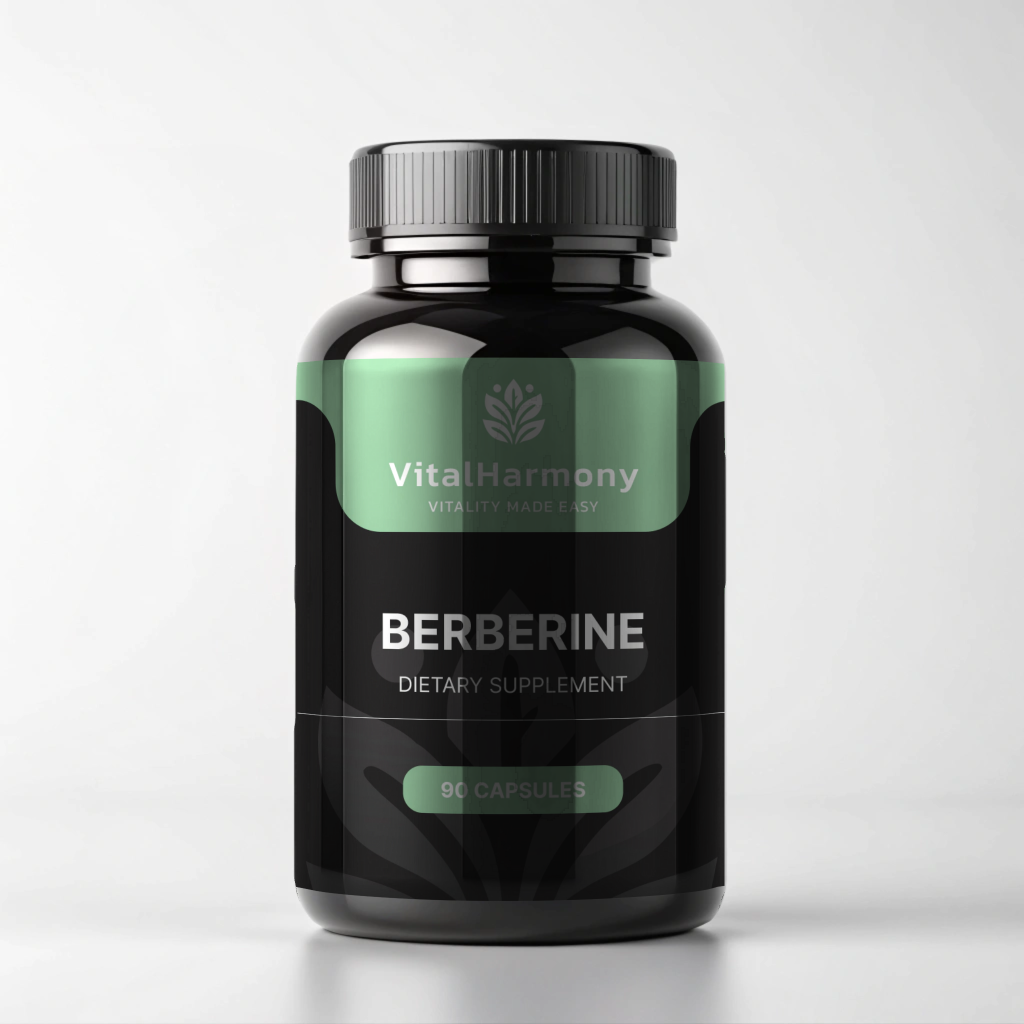
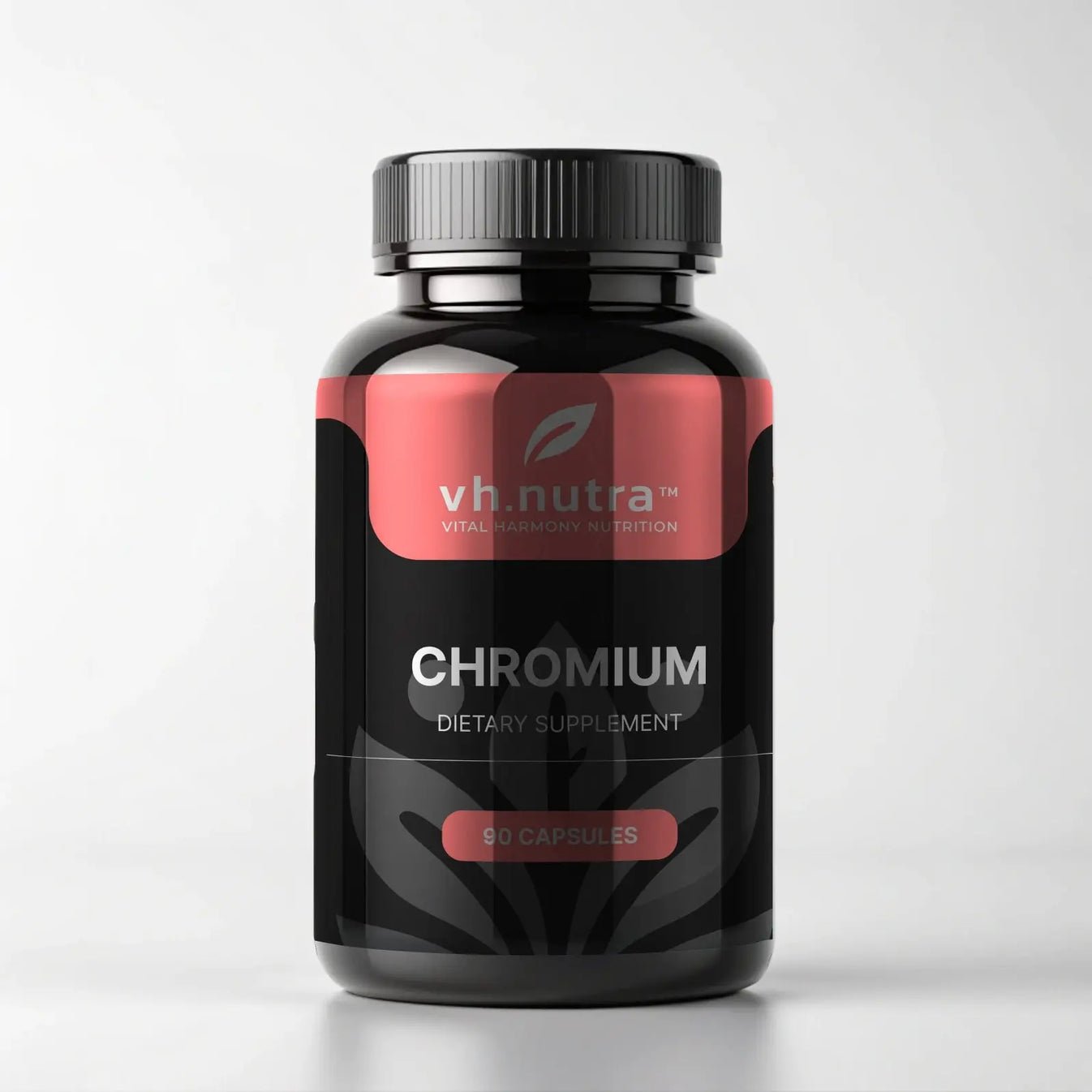
Studies show that ALA can help reduce fasting glucose levels and improve long-term blood sugar control markers. It is worth mentioning that alpha lipoic acid combines well with other blood sugar-friendly substances – berberine and chromium, which also contribute to maintaining normal blood sugar levels.
Frequently asked questions (FAQ)
Does alpha lipoic acid help with weight loss? ALA has no direct weight-loss effect, but by improving insulin sensitivity and sugar metabolism, it can indirectly make weight control easier – especially when combined with a balanced diet and exercise.
When is the best time to take alpha lipoic acid? The best time is in the morning on an empty stomach, about 30 minutes before breakfast, because this is when the compound is absorbed most efficiently. If your stomach is sensitive, you can also take it with food.
Is alpha lipoic acid suitable for vegetarians? Yes, most alpha lipoic acid supplements are produced synthetically and are suitable for vegetarians and vegans. Before buying, it is worth checking the capsule composition – whether the shell is not gelatine-based.
What is the difference between alpha lipoic acid and R-lipoic acid? Alpha lipoic acid is a mixture of two forms – R (biologically active) and S (synthetic). R-lipoic acid is the form naturally found in the body, but the standard ALA supplement offered by StayStrong is also effective and well absorbed.
Disclaimer: The information in this article is provided for educational purposes only and should not be considered medical advice. Before taking any food supplements, especially if you have chronic conditions or take prescription medication, be sure to consult a doctor or pharmacist.