Contents
In short:
Iron supplements — one of those topics that most people only think about when they feel completely drained or hear the word “anemia” from their doctor. But iron deficiency rarely appears overnight — it builds up gradually, sending subtle signals that are easy to dismiss as stress, the season, or just “that phase of life.” Meanwhile, properly chosen iron supplements can be the difference between constant fatigue and having enough energy for the whole day.
Key Takeaways
- Iron supplements — essential not only for anemia but also for persistent fatigue, hair loss, or reduced performance
- Iron bisglycinate is absorbed 2–3 times better than cheap sulfate and causes almost no stomach irritation
- Always take iron with vitamin C and avoid coffee, tea, and dairy products for 2 hours before and after
Why Iron Is So Important for Your Body
Iron isn’t just another mineral on the periodic table — it is the foundation of your oxygen transport system. Every cell in your body breathes, and cellular respiration requires hemoglobin — a protein with an iron atom sitting right at its core. Without it, oxygen from your lungs wouldn’t reach your brain, your muscles, or any other organ.
But iron’s role doesn’t end there. It’s involved in energy production in the mitochondria, helps your immune system fight infections, is essential for proper thyroid function, and even contributes to neurotransmitter synthesis in the brain. When iron is low, it’s not your blood test that suffers first — it’s your well-being, energy, and productivity.
In Lithuania, iron deficiency is one of the most common micronutrient deficiencies. Scientific data shows that about 25% of the world’s population has iron deficiency, and among women this number is even higher. If your diet is low in red meat, if you train intensely, or if you’re a woman of reproductive age — your likelihood of being iron deficient is noticeably higher than average.
7 Signs of Iron Deficiency You Shouldn’t Ignore
Iron deficiency rarely shows up as a single obvious symptom. Rather, it’s a collection of subtly accumulating signals that are easy to confuse with overwork or seasonal changes. Here are the seven most common signs worth paying attention to.
First — fatigue that never goes away. This is the most common and yet most ignored signal. If you’re getting enough sleep but still feel like you’re dragging heavy chains, and the simplest tasks seem exhausting, iron deficiency is one of the first causes worth checking.
Second — pale skin and mucous membranes. Look at your lower eyelid by pulling it down. If the mucous membrane looks pale rather than bright pink, that could be a sign of reduced hemoglobin. The same goes for skin in general — iron deficiency steals the healthy color from your face.
Third — shortness of breath after light exertion. You climbed the stairs to the third floor and you’re breathing as if you’d run a kilometer? When the body lacks iron, it can’t transport oxygen efficiently, so even light physical exertion forces your lungs to work harder.
Fourth — cold hands and feet. Iron helps regulate body temperature through circulation. When hemoglobin is low, your extremities get less warm blood, and even during the warmer months you may notice your fingers are constantly cold.
Fifth — brittle nails and hair loss. Nails become fragile, flake, and develop longitudinal ridges. Hair starts shedding more than usual. This happens because the body prioritizes vital organs, and hair and nails are last in line.
Sixth — unusual cravings. One of the most specific symptoms of iron deficiency is pica — a craving to eat non-food items: ice, chalk, clay, or even dirt. It sounds strange, but it’s a medically recognized phenomenon directly linked to iron deficiency.
Seventh — brain “fog.” Difficulty concentrating, memory lapses, feeling like everything is happening through a haze. The brain needs a lot of oxygen, and when it’s in short supply, cognitive functions are among the first to suffer.
If you recognize at least three of these signs, iron supplements may be a logical first step — but only if blood tests confirm the deficiency. More on that later.
Iron Forms: Which One Is Best Absorbed?
This is where most people get lost in the pharmacy aisle. Not all iron is the same — different forms have different bioavailability and different side effects.
Iron sulfate is the cheapest and most commonly found form. It definitely works — but you pay for the affordable price with side effects. Nausea, constipation, stomach pain, and black stools are so common that many people simply quit before finishing their course. Additionally, sulfate absorption is relatively poor — only about 10–15% of the amount on the label.
Iron fumarate and gluconate are somewhat gentler alternatives, but their absorption still isn’t optimal, and digestive side effects persist.
But iron bisglycinate — that’s a completely different league. Here, iron is bound to the amino acid glycine, so your body recognizes it not as a foreign mineral but as a food molecule. The result — absorption increases 2–3 times compared to sulfate, and digestive side effects practically disappear. Iron bisglycinate supplements are one of the smartest choices, especially if you have a sensitive stomach.
Iron Bisglycinate: Why It’s Considered the Best Choice
If you had to explain in one sentence why bisglycinate is worth choosing, it would sound like this: you get more iron where it’s needed, with fewer problems where you don’t want them.
The technical side goes like this: in the bisglycinate structure, the iron ion is “wrapped” by two glycine molecules. This is called a chelate compound. This structure protects the iron from interacting with other compounds in the gut (which would normally block its absorption) and allows it to pass through the intestinal wall via a separate amino acid transport pathway — the same one used by dietary proteins.
The practical result is this: when taking bisglycinate, you need a lower dose to achieve the same effect. Instead of 100–200 mg of elemental iron in sulfate form, 25–50 mg of bisglycinate may be sufficient. A lower dose means a lower risk of overdose and fewer side effects.
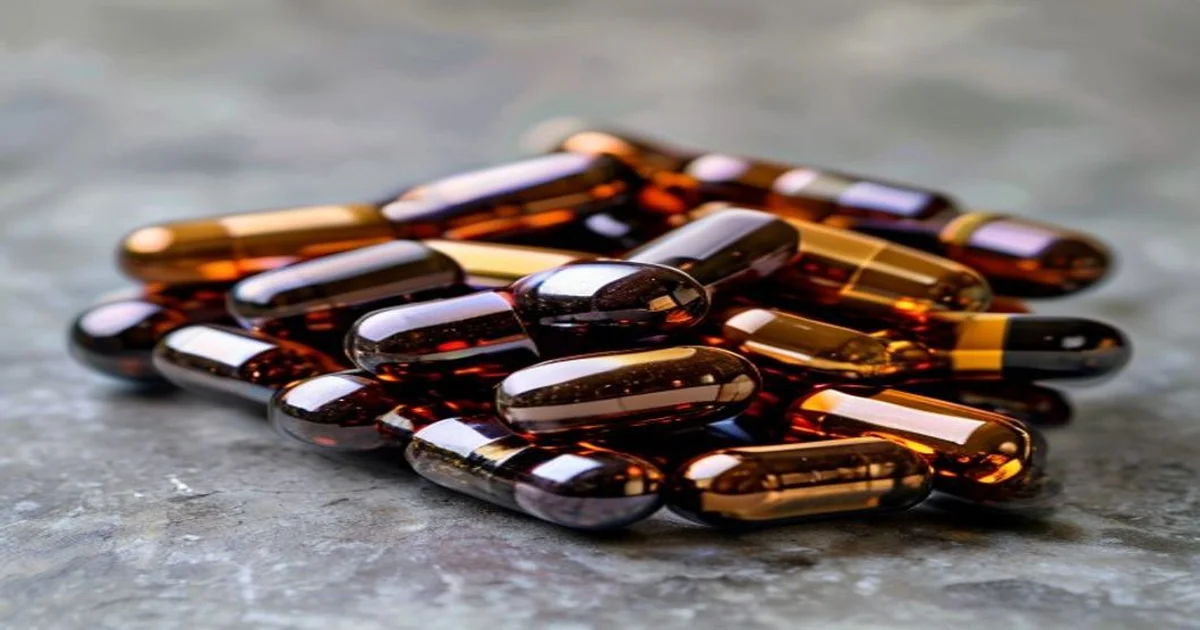
For example, ChelaZone IronChel is an iron bisglycinate supplement where one capsule provides an optimal daily dose. The bisglycinate form means that the iron is not only well absorbed but also gentle on the stomach — this is especially important if you plan to take the supplement for an extended period, not just a few days.
What Blocks Iron Absorption and What to Do Differently
A good iron form is only half the success. The other half is what you take it with and when. There are several things that can practically nullify even the best supplement’s effect.
Coffee and tea are the biggest enemies of iron absorption. The tannins they contain bind iron in the gut and prevent it from being absorbed. One study showed that a cup of coffee reduces iron absorption by as much as 39%, and strong black tea — by up to 64%. That’s why iron supplements should be taken at least 1–2 hours before or after coffee and tea.
Dairy products and calcium supplements — another obstacle. Calcium and iron compete for the same absorption mechanisms. If you take a calcium supplement in the morning, shift your iron to lunchtime or vice versa.
Phytates, found in whole grain products, legumes, and nuts, also reduce iron absorption. This doesn’t mean you should give up healthy food — just don’t take iron supplements together with a hearty oatmeal or whole grain bread breakfast.
And what helps? Vitamin C is iron’s best friend — it can increase absorption 2–3 times. That’s why many quality iron supplements already include vitamin C in their formula. If yours doesn’t, take it with a glass of orange juice or alongside a vitamin C tablet. Foods rich in vitamin C also work — bell peppers, broccoli, citrus fruits.
Who Is at the Highest Risk of Iron Deficiency?
There are several groups of people for whom iron supplements are not just “maybe worth it” but nearly essential for prevention.
Premenopausal women — due to menstruation, a certain amount of iron is lost every month. If periods are heavy, even more is lost, and diet doesn’t always keep up with replenishing those losses. This is the main reason why women make up the majority of people with iron deficiency.
Those who train intensely — iron is lost through sweat during physical exertion, and due to increased blood volume and muscle micro-damage, the body needs more iron. Runners, especially long-distance runners, are among the highest risk group.
Vegetarians and vegans — the iron in plant-based diets (non-heme) is absorbed less efficiently than animal-based (heme) iron. Even a well-balanced plant-based diet may not cover the full requirement without extra attention.
Pregnant women — during pregnancy, blood volume increases by nearly 50%, so iron requirements double. For most pregnant women, iron supplements are an essential recommendation.
If you belong to at least one of these groups, iron supplements may not be a random purchase but a systematic investment in your well-being. More on dosing and usage guidelines in the next section.
How to Take Iron Supplements So They Work
For iron supplements to actually deliver results, it’s not enough to just buy the right form. How, when, and what you take them with matters too.
Recommended dosage. For prevention, 15–30 mg of elemental iron per day is sufficient for an adult. For a confirmed deficiency, a doctor may recommend 60–120 mg per day, but such doses should only be taken under a specialist’s supervision.
When to take. Iron is best absorbed in the morning, on an empty stomach — about 30 minutes before breakfast. If you feel discomfort when taking it on an empty stomach (which rarely happens with bisglycinate), it can be taken with light food, but not with dairy or whole grain products.
What to pair it with. Always with vitamin C — either as a separate supplement or by drinking a glass of orange juice. The vitamin C dose can be small — 50–100 mg is enough to noticeably improve absorption.
How long to take. For a deficiency, the standard course is 3–6 months, after which a repeat blood test is needed. For prevention — 1–2 month courses, especially in winter or during intense training seasons. It’s important not to overdo it: once the deficiency is resolved, incorporating more iron-rich foods is enough for a maintenance dose.
Maximum safe dose. For a healthy adult, the upper tolerable limit is 45 mg of elemental iron per day. Exceeding this limit over an extended period raises the risk of iron overload (hemochromatosis). This is especially important for men and postmenopausal women to know, as they naturally lose less iron.
The Most Common Mistakes When Taking Iron
Through countless reviews and consultations, a few mistakes have emerged that almost every beginner makes. Here they are — so you can avoid them.
First mistake — taking iron with your morning coffee. This is probably the most common mistake of all. Someone has their morning coffee, washes down an iron capsule with it, and wonders why there’s no change after a month. Tannins block iron absorption almost completely.
Second mistake — buying the cheapest sulfate and suffering. Saving money here backfires on you. Sulfate is cheap, but its side effects are so unpleasant that most people quit taking it early. In the end, you don’t complete the required course and don’t get results — money wasted, and you’re still iron deficient.
Third mistake — judging too soon. Iron stores in the body don’t replenish in a day or a week. The first changes in how you feel may be noticeable after 2–3 weeks, but full ferritin recovery takes months. A week is not the timeframe after which you can decide whether a supplement is working.
Fourth mistake — taking iron in the evening. Unlike magnesium, which suits the evening, iron works better in the morning. Metabolism is slower in the evening, and for some people, iron at night can cause an uncomfortable heavy feeling in the stomach.
Fifth mistake — not taking iron because “I eat well.” Even a fairly balanced diet doesn’t always cover an increased need. Especially if you train, are a woman, have a chronic illness, or are post-surgery. Diet is the foundation, but supplements exist precisely when the foundation isn’t enough.
How to Tell If Iron Supplements Are Working
With iron supplements, unlike some other supplements, there is one big advantage — their effect can be measured objectively.
Before starting, it’s worth getting a blood test. The two most important markers: ferritin (shows iron stores in the body) and hemoglobin (shows whether oxygen transport has already been affected). Normal ferritin levels for an adult are 30–150 ng/ml for women and 30–300 ng/ml for men. If your ferritin is below 30, the deficiency is already real, even if hemoglobin is still within normal range.
After 3 months of regular use, repeat the test. If ferritin has gone up and you feel better — you’re on the right track. If there’s no change, it’s worth reviewing three things: whether your form is right (maybe switching from sulfate to bisglycinate would solve the problem), whether you’re taking it correctly (without coffee, tea, or dairy at the right time), and whether your dose is adequate.
Subjective changes usually come earlier than lab results: more energy in the morning, less shortness of breath when climbing stairs, warmer hands, less hair shedding. If after a month at least a few of these have improved, it’s likely that iron supplements suit you and are working.
It’s also worth reading about restoring energy naturally, a multivitamin review for adults, and supplements for well-being — in these areas, iron is often one of the key missing elements.
Disclaimer: This information is for educational purposes only. Before starting iron supplements, consult your doctor and get blood tests. Excess iron can be just as dangerous as deficiency.