You probably know the feeling: you seem to be living “normally,” but as soon as the weather gets colder or work piles up – again a scratchy throat, runny nose, fatigue. Then your hand automatically reaches for “something for immunity.” The only problem is that immunity-boosting supplements are often sold as a miracle, though in reality it’s more of a strategy: figuring out what you’re lacking, what’s worth adding to your routine, and what’s better left on the shelf.
This article is designed for you to put together a clear plan – without guesswork, without panic purchases, with a healthy “it depends” where it’s truly necessary.
First – what does “boosting immunity” actually mean?
The immune system is not a single “on/off” switch. It constantly balances between two tasks: recognizing threats (viruses, bacteria) and not overdoing it (too much inflammation). Therefore, the goal is usually not to “boost immunity,” but to support its normal function: adequate sleep, energy metabolism, micronutrient stores, stress management, and the gut barrier.
Supplements here act as a support. They can help when you have a deficiency, when your diet is monotonous, when you exercise a lot and recovery stalls, when there’s less sun in the autumn-winter season. But they won’t replace sleep and won’t negate chronic stress.
When do supplements usually have the greatest effect?
If you want to invest wisely, pay attention to situations where supplements most often “pay off.”
First – when there is a real risk of deficiencies. This is common in people who eat little fish, have a restricted diet, follow vegetarian/vegan diets without planning, have little time for proper food, or travel constantly.
Second – when recovery declines. Intense sports, low calorie intake (e.g., “cutting” periods), lack of sleep, and frequent colds often go hand in hand.
Third – seasonality and an indoor lifestyle. In Lithuania, the vitamin D issue is relevant for many not theoretically, but practically.
If you want to start from the basics, our post Why is it worth choosing dietary supplements? – it helps you structure the logic of when a supplement is a help, and when it’s just an expensive “placebo with a label.”
The base that most often wins: vitamin D, C, zinc
When talking about immunity, there are three names that usually come up first. It’s important to understand them not as “magical,” but as basic.
Vitamin D: not just for bones
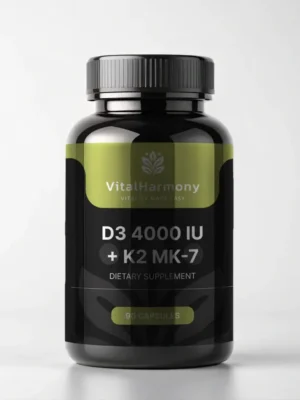
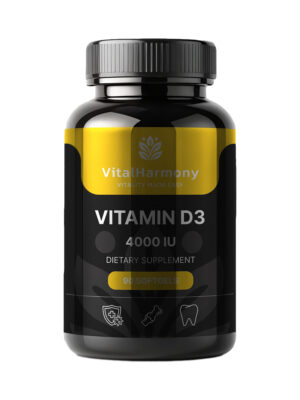
Vitamin D is associated with normal immune system function and inflammation regulation. Its deficiency is common in Lithuania because for a large part of the year, the sun’s angle and time spent indoors take their toll.
Practically: it’s usually wise to focus on regular use during the cold season. The dose depends on age, body weight, blood test (25(OH)D), and how much time you actually spend in the sun. If you want maximum accuracy – a test is the best way. If you don’t have a test, a common choice is a moderate maintenance dose, but it’s worth consulting a doctor here, especially if you have kidney, calcium metabolism, or other health nuances.
Vitamin C: useful, but not a “shield against everything”
Vitamin C helps normal immune system function and acts as an antioxidant. However, huge doses are usually not a miracle. Some people choose higher doses for a short time during the cold season, but the most important thing is to consistently ensure you don’t have a deficiency.
If your diet is low in vegetables and fruits, a supplement can be a convenient “filler.” If you eat enough of them, the effect may be minimal.
Zinc: especially relevant when the diet is poorer
Zinc is necessary for normal immune system function. It is more often lacking if the diet is low in meat/seafood, if there are many grain products (phytates reduce absorption), and also with intense exercise.
An important nuance: long-term use of higher zinc doses can reduce copper absorption. Therefore, a “higher dose for the whole year” is not a good idea. Zinc often works best as a seasonal or targeted measure.
Selenium, iron, and B group: where people most often go wrong
Here the subtleties begin. Not all micronutrients are directly “immunity supplements,” but their deficiency can significantly weaken well-being and resistance.
Selenium is associated with antioxidant protection and thyroid function. However, it has a narrower safe dose range, so blindly “loading up” on high doses is not recommended.
Iron – a common culprit of fatigue, especially in women, but it should not be taken “prophylactically” without tests. If there is too much iron, it is not a plus for the body. If you suspect anemia (constant fatigue, shortness of breath, weakness, hair loss), it is wisest to start with blood tests and only then choose a supplement. You will find more useful information in the article about how to choose vitamins without guesswork.
B vitamins are important for energy metabolism, the nervous system, and indirectly – for your recovery. But if you eat a varied diet, those with limited nutrition or specific risks (for example, a vegan diet and B12) usually feel the greatest benefit. You will find more useful information in the article about when to take multivitamins in the morning or evening.
If you want to properly put together a basic complex, the article How to choose vitamins without guesswork helps – because multivitamins can be both an excellent “base” and a pretty label with too low doses.
Smart “additional players”: NAC, ashwagandha, omega-3
When the base is sorted, it is worth looking at targeted ingredients that often appear in the baskets of the StayStrong audience. Not because they are “cool,” but because they solve real everyday issues – stress, recovery, inflammatory background.
NAC (N-acetylcysteine) is often mentioned for its role in glutathione synthesis (one of the body’s most important antioxidants). The practical angle here is simple: if your life involves a lot of stress, little sleep, many workouts, or environmental “triggers,” NAC becomes a useful tool for some people. However, it is not an “immunity pill” – rather a supplement that can support antioxidant protection and recovery.
Ashwagandha is usually chosen not “against viruses,” but against chronic stress. And stress is one of the biggest enemies of immunity, because long-term cortisol imbalance impairs sleep, recovery, and increases inflammatory processes. If your colds usually start after a few weeks of sleepless nights and work pressure – there may be a very direct link here.
Omega-3 (EPA/DHA) is not a classic “immunity” label, but it is important for inflammation regulation and overall health. If you rarely eat fish, omega-3 often becomes one of the most rational investments.
Combinations that usually work (and those that often overlap)
If you want a simple routine, a few well-thought-out choices are usually enough. A typical smart combination for the cold season would be vitamin D + zinc (seasonally) + vitamin C, especially if you eat fewer vegetables. If you also add omega-3, you get a “long game” support.
Where do people often overdo it? When they take a multivitamin, separately vitamin C, separately zinc, and also an “immune complex” that again contains the same C and zinc. Then it’s not a strategy, but duplication. Sometimes it’s just a waste of money, and sometimes it’s also excessive doses.
A good rule: before buying a second product, look at the label of the first. If the ingredients repeat, ask yourself – do you really need more, or do you just want a “sense of security”?
Immunity is not separate from sleep, calories, and protein
If you train, one of the biggest “secret” immune factors is not a capsule, but recovery. When you lack calories and protein, it’s harder for the body to repair tissues and maintain normal functionality.
Protein is important here very practically: it is the raw material for the synthesis of immune proteins and overall regeneration. If you find it difficult to meet your needs from food, it’s worth reviewing your protein sources. For that, Whey or plant proteins: which to choose? – especially if you want a solution that is convenient daily.
How to choose: 3 questions that save a lot of money
First question: what exactly are you trying to improve – fewer colds, faster recovery, more energy, better sleep? “Immunity” is often a general term that hides completely different problems.
Second: does your choice address a deficiency or just add another layer? Vitamin D in winter is often a solution for a deficiency. A third “immune complex” on top of an already taken multivitamin is often just noise.
Third: do you have any limiting health factors? If you take medication, have thyroid, kidney, liver, autoimmune conditions , or are pregnant – it’s worth consulting a doctor or pharmacist. Supplements are not innocent candies, even if they are sold as if they were.
Where does StayStrong fit in here?
If you want to build your routine from selected, clear supplement categories – from multivitamins to NAC or ashwagandha – you can conveniently do that in one place. StayStrong.lt ‘s idea is to be your journey partner: less chaos in choosing, more clarity on what actually helps your energy, sleep, and well-being.
The most important thought that helps you not lose direction
Immune-boosting supplements work best when they complement your discipline, not try to replace it. Fix the basics (sleep, food, vitamin D), choose 1-2 targeted supplements according to your situation, and observe how your well-being changes over 3-6 weeks – a stronger tomorrow starts with smart decisions today.