How to prepare for the cold season: a practical guide for health and immunity
The cold season of the year is not just about warmer clothes, but also new challenges for our body. Changing weather, reduced sunlight, more time spent indoors, and seasonal illnesses – all of this means our immune system has to work harder. Preparing for winter is not a one-day task. It is a process that begins in autumn and consists of an approach to nutrition, sleep, lifestyle, and daily habits.
In this article, you will find specific stepson how to prepare for the cold season, strengthen your immunity, and avoid the most common health challenges.
Why it is important to prepare in advance
The number of seasonal colds increases significantly during the cold period of the year – this is caused by changes in air temperature, less sunlight, and a higher risk of virus spread, especially indoors.
Specialists note that those who start thinking about strengthening their immunity too late are already more vulnerable to infections at the beginning of autumn. Conversely, those who take care of themselves in advance have greater resistance and feel better throughout the season.
1. Balanced nutrition – the foundation of immunity
Preparing for the cold season starts with what you put on your plate. A balanced diet provides the body with the necessary substances that support the immune system, energy, and overall well-being.
Key food elements
- Vitamin C – helps maintain immunity and protect cells from oxidative stress, found in citrus fruits, bell peppers, broccoli.
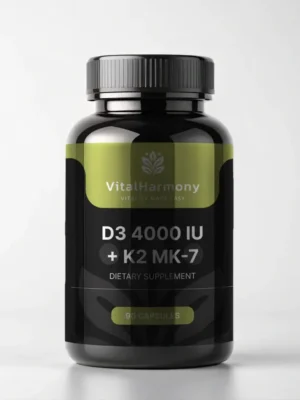
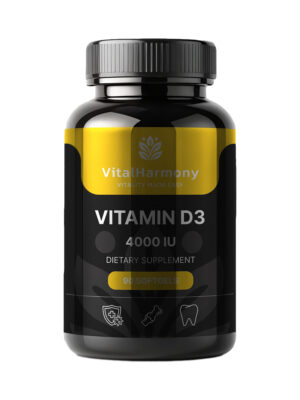
- Vitamin D – in winter, our body produces less of it due to low sunlight, so it is important to supplement it with food or supplements.
- Antioxidants (vitamins A, E, zinc, selenium) – help fight free radicals and support immune system function.
- Seasonal vegetables and fruits – spinach, pumpkins, carrots, beets, cabbage – contain many vitamins, fiber, and minerals that help the body adapt to cold weather.
- Probiotics – fermented foods like pickles or kefir can support a healthy gut microflora, which influences immunity.
How to practically change your diet
- Include at least one large plate of vegetables in your daily diet.
- Before winter, prepare soups with carrots, pumpkins, or cabbage – this is not only warm but also nutritious food.
- Choose fish, nuts, seeds, and white meat – these are protein sources needed for the immune system.
2. Water and fluid balance
Even during the cold season, the body must receive enough water. Although in winter you often feel less like drinking, fluids are essential:
- water helps maintain good immune system function;
- hydration is important for the skin and mucous membranes – our first lines of defense against viruses;
- lack of fluids can lead to fatigue and weaker resistance to infections.
Try to drink 1.5–2 liters of water daily, and if you exercise or spend a lot of time indoors, pay attention to additional hydration.
3. Sleep – your “recovery time”
Sleep quality is one of the most powerful ways to strengthen immunity. During sleep, the body:
- produces immune proteins;
- repairs tissues;
- stabilizes hormones that regulate immune system function.
Experts recommend 7–9 hours of quality sleep each night and try to go to bed and wake up at the same time every day.
4. Physical activity – not just for weight loss
Moderate-intensity physical activity, such as 150 minutes per week of walking, light jogging, or aerobics, improves blood circulation and helps the immune system function more efficiently.
Even if it’s cold outside, you can choose:
- yoga sessions at home;
- stretching exercises;
- short equipment-free workouts.
It is important that movement is consistent and balanced with rest.
5. Stress management – the “weak link” of immunity
Smart lifestyle solutions aimed at reducing stresshave a significant impact on immunity. Cortisol – the stress hormone – can suppress immune system function if its levels are chronically high.
Tips:
- morning meditation or breathing exercises;
- daily walk;
- screen-free sleep before night.
6. Hygiene and seasonal disease prevention
The simplest things that help prevent the spread of viruses:
- wash hands regularly;
- avoid touching the face with dirty hands;
- maintain hygiene daily.
These are old but very effective rules that are still primarily recommended by specialists.
7. Clothing, temperature, and environment
Properly taking care of body warmth is not only about feeling good but also part of strengthening immunity.
- Layer your clothing: several light layers instead of one thick layer.
- Protect your head, hands, and feet – these are the areas through which the body loses the most heat.
- Keep rooms warm, but well-ventilated – good air reduces the concentration of viruses.
What to do if you haven’t started preparing in time?
If the cold season has already begun but you feel unprepared, here is what you can do immediately:
Assess your rest
- Starting today, go to bed at least 30 minutes earlier.
- Disconnect from screens at least an hour before sleep.
Strengthen your diet
- Add fruits and vegetables to every meal.
- Choose vitamins and mineralsthat support immunity – especially vitamin D and C.
Incorporate light movement
Even 15–20 minutes of walking daily helps circulation and mood.
When food is not enough: dietary supplements as a smart alternative
The reality is – an ideal diet exists in theorybut not always in daily life. Even when eating “healthily enough,” during the cold season we often face a situation where the body does not receive sufficient amounts of the most important substances.
The reasons are simple:
- in winter, the selection of fresh seasonal fruits and vegetables decreases;
- modern food products contain fewer micronutrients than before;
- stress, lack of sleep, and physical exertion increase the body’s needs;
- vitamin D synthesis almost stops due to lack of sunlight.
This is precisely where dietary supplements become not a “fashion thing” but a practical solution.
In which cases are supplements particularly beneficial?
Supplements can be beneficial if:
- you often feel tired or lack energy;
- you get sick more often during the cold season;
- sleep becomes shallow or poor quality;
- diet is irregular and rushed;
- you exercise or experience greater physical exertion;
- you work indoors with little natural light.
It is important to understand – supplements do not replace food, but they help fill the gapswhen the body needs it most.
The most important supplements for the cold season
Vitamin D – a seasonal “must-have”
Vitamin D deficiency is very common in winter. It is important for:
- normal immune system function;
- muscle and bone strength;
- overall well-being and mood.
Practical recommendation:
For most adults during the cold season, it is recommended 2000–4000 IU per day, depending on individual needs.
Vitamin C – daily immune support
Vitamin C helps:
- maintain normal immune system function;
- protect cells from oxidative stress;
- reduce the feeling of fatigue.
Although it is found in fruits, the amount consumed in winter is often too low.
Practical recommendation:
500–1000 mg per day, especially during more intense periods.
Zinc and selenium – small but very important details
These trace elements:
- support the functioning of the immune system;
- contribute to normal cell protection;
- are often lacking due to limited nutrition.
Especially relevant for people who:
- avoid meat or seafood;
- frequently suffer from colds.
Adaptogens – for body resistance and energy
Adaptogens (such as ginseng, ashwagandha or rhodiola) help the body:
- adapt to stress;
- maintain energy levels;
- recover better after exertion.
This is especially relevant in autumn and winter, when fatigue accumulates faster than we notice.
Magnesium – for sleep, nervous system and muscles
Magnesium is important for:
- normal nervous system function;
- muscle relaxation;
- sleep quality.
If you feel tension in the evening or have trouble falling asleep – this is one of the first supplements worth paying attention to.
How to take supplements wisely?
- Choose supplements with a clear composition and reliable.
- Do not take everything at once – it is better to start with the basics.
- Combine with food and a healthy lifestyle.
- Listen to your body – energy, sleep and well-being quickly show whether the choice is right.
StayStrong approach: supplements as help, not a miracle
StayStrong philosophy is simple – supplements are not a miracle, but they can be a very powerful tool, when used correctly and purposefully. The cold season is exactly the time when the body needs more support, and wisely chosen supplements can become part of a daily routine, helping to stay strong and energetic.
A natural way to support immunity
When the body feels weak, it is worth considering not only nutrition but also additional support from within: appropriate vitamins, minerals and adaptogens can help maintain the body’s resistance in winter, especially if daily nutrition is insufficient.
Conclusions: prepare for the cold season strategically
Preparing for the cold season is not just about vaccinations or warmer clothes. It is a comprehensive approach to:
- nutrition and fluid balance;
- sleep;
- physical activity;
- stress management;
- hygiene and daily habits.
If you start taking care of your body NOW, your immune system will be stronger, and your well-being will be better in winter. Small, consistent daily decisions yield the greatest long-term benefits.