
If you spend the whole day spinning between work, sports, and household chores, but toss and turn in bed in the evening and feel “broken” in the morning, the problem is usually not motivation, but sleep. Not sleeping harms your health. Constant sleep deprivation stops progress in sports, increases stress, and over time damages both health and mood.
Sleep is not just rest – it is the time when the body repairs damage, regulates hormones, and prepares you for the next day, so proper sleep is one of the most important investments in health and results.
Why is sleep so important for your body?
During sleep, the most intense muscle recovery, tissue regeneration, and hormonal balance regulation occur. This means that every sleepless night directly “cuts” your progress both in sports and at work.
- Sleep maintains a normal balance of testosterone, growth hormone, and cortisol, which are responsible for strength, energy, and motivation.
- Poor sleep is associated with a greater craving for sweets, weight gain, and poorer fat burning.
If you sleep too little or superficially for a long time, even an ideal diet and training program no longer yield the returns they could.
The most common causes of poor sleep today
Today, sleep is ruined not by one, but by several accumulated causes that intertwine with each other. The most common ones repeat:
- Caffeine consumed too late: coffee, energy drinks, or pre-workout just a few hours before sleep.
- Phone in bed: screen light and social networks that “disrupt” the natural melatonin rhythm.
- Chaotic schedule: one day sleep at 10:30 PM, another at 1:30 AM, and on weekends completely without order.
This is also contributed to by late heavy workouts, heavy food in the evening, constant stress at work/business, digestive problems, or mineral deficiencies.
3 basic things worth fixing without supplements
Supplements work best when sleep hygiene is already at least minimally in order. To start, it’s worth introducing a few rules:
- Fixed sleep time. Try to go to bed and wake up at similar times every day so that the body has a clear rhythm.
- Less screens before sleep. 60–90 minutes before sleep, reduce phone and computer use, or at least turn on “night mode”.
- Caffeine until noon. If you have trouble falling asleep, it’s best to have your last coffee by 2–3 PM.
When these basics work, then it’s worth including targeted supplements for the nervous system, stress, and sleep quality improvement.
Supplements for sleep: what to choose and how are they different?
There are many “magic” capsules for sleep on the market, but the solutions that actually work are those that combine the nervous system, stress, and mineral balance. For your situation, this quartet works best: magnesium, GABA, ashwagandha and vitamin complex for the nervous system.
Below – clearly, what each is for and how to combine them with each other.
Magnesium: a fundamental mineral for nerves and muscles
Magnesium participates in hundreds of biochemical reactions related to the nervous system, muscle contraction and relaxation. Its deficiency often manifests as muscle cramps, nervousness, “inner tension” and poorer sleep.
Why in the evening?
Magnesium, especially magnesium bisglycinate, helps relax the nervous system and muscles, and the bisglycinate form additionally provides a calming glycine effect. This helps to “calm down” faster, fall asleep more easily and reduce nighttime awakenings.
How to use:
- 1–2 capsules of magnesium bisglycinate or 1 capsule of stronger magnesium citrate 60–90 minutes before sleep, with a glass of water.
GABA: a natural “brake” for an overworked mind
GABA (gamma-aminobutyric acid) is a natural neurotransmitter that acts as a “brake” for overly active nerve signals. Its sufficient activity is associated with less anxiety, easier falling asleep and deeper sleep.
Studies show that GABA can help reduce tension, improve sleep onset time and overall sleep quality, especially when insomnia is related to stress and “overloaded” thoughts.
How to use:
- 1 capsule of GABA, 30–60 minutes before sleep, especially on days when there are too many thoughts in the head and it is hard to “switch off”.
Ashwagandha: an adaptogen for stress and sleep quality
Ashwagandha is one of the best-studied adaptogens, helping the body adapt to stress, reduce cortisol levels and improve sleep quality. Clinical studies show that standardized ashwagandha extract can shorten the time to fall asleep, improve sleep quality and reduce subjective stress levels.
Ashwagandha is also associated with a GABA system-acting mechanism, so it “gets along” well with magnesium and GABA combinations in the evening.
How to use:
- 1 capsule ashwagandha per day (morning or evening, depending on how you feel), consistently for at least 4–8 weeks.
Vitamin B complex and multivitamins: for the nervous system and fatigue
B vitamins are essential for normal nervous system function, energy metabolism, and psychological function. Deficiency is associated with fatigue, irritability, mood swings, and even sleep disorders.
Research shows that magnesium, melatonin and vitamin B complex can have a positive effect on insomnia – reducing symptoms and improving sleep quality. Therefore, a multivitamin or B complex during the day is a good “base” on which magnesium, GABA and ashwagandha combinations work more easily in the evening.
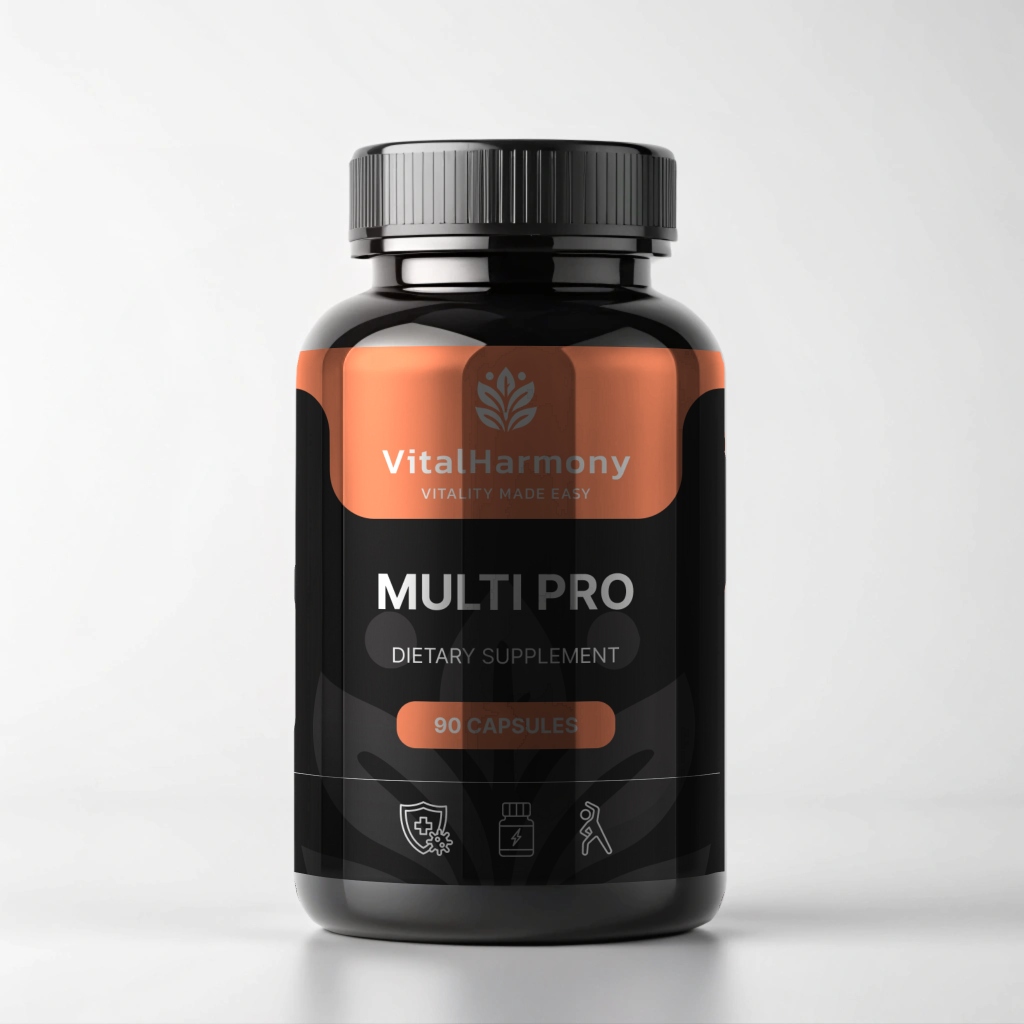
How to use:
- 1 serving of multivitamin or B complex in the morning or at lunch, with food.
Sample “sleep and stress” plan
Below is a practical combination that you can adapt to your schedule:
During the day:
- 1 serving of vitamin complex or B‑complex for the nervous system and energy.
- 1 capsule ashwagandha to support stress and cortisol balance.
In the evening (60–90 minutes before sleep):
- 1–2 capsules magnesium bisglycinate or a stronger magnesium citrate capsule for muscles and the nervous system.
- 1 capsule GABA, if you feel tense and “can’t let go of thoughts”.
This combination not only helps you unwind faster in the evening but also supports overall stress resistance throughout the day.
When are supplements no longer enough?
If sleep remains poor for longer than a few weeks, despite routine and supplements, or if very severe anxiety, heart palpitations, or breathing difficulties occur, it is necessary to consult a doctor. Supplements should be an aid alongside lifestyle and professional care, not a substitute for it.