Vitamin E is one of the most powerful fat-soluble antioxidants, essential for cell protection, skin health, and immune system support. Although many know vitamin E as the “beauty vitamin,” its benefits extend far beyond — from heart and blood vessel protection to eye health maintenance. In this article, you will learn the 7 most important benefits of vitamin E and how to take it correctly to get the maximum benefit.
Key Takeaways
- Vitamin E — one of the most important antioxidants, protecting cell membranes from oxidative stress starting from a daily dose of 15 mg.
- Natural d-alpha-tocopherol is approximately twice as biologically active as synthetic dl-alpha-tocopherol — choose supplements with the “d-” prefix.
- Vitamin E + selenium + vitamin C creates a synergistic antioxidant network that is more effective than any of them alone.
Table of Contents
What is Vitamin E?
Vitamin E is a fat-soluble vitamin comprising eight chemical compounds, of which alpha-tocopherol is the most important for the human body. This fat-soluble vitamin acts as the primary antioxidant of cell membranes — it neutralizes free radicals before they can damage cell structures. Natural sources rich in vitamin E include vegetable oils (sunflower, wheat germ, olive), nuts, seeds, avocados, and green leafy vegetables.
Unfortunately, modern diets do not always ensure an adequate intake of vitamin E — due to the consumption of processed foods and a low intake of nuts and seeds in the diet. That is why high-quality vitamin E supplements are becoming an increasingly popular solution for those looking to strengthen antioxidant protection and maintain overall health.
1. Antioxidant Cell Protection
The primary function of vitamin E in the body is to protect cell membranes from oxidative stress. Alpha-tocopherol directly interacts with free radicals and peroxides, preventing them from causing lipid peroxidation — a process that damages the integrity of cell membranes. Every day, our body faces thousands of oxidative attacks, and vitamin E acts as the first line of defense.
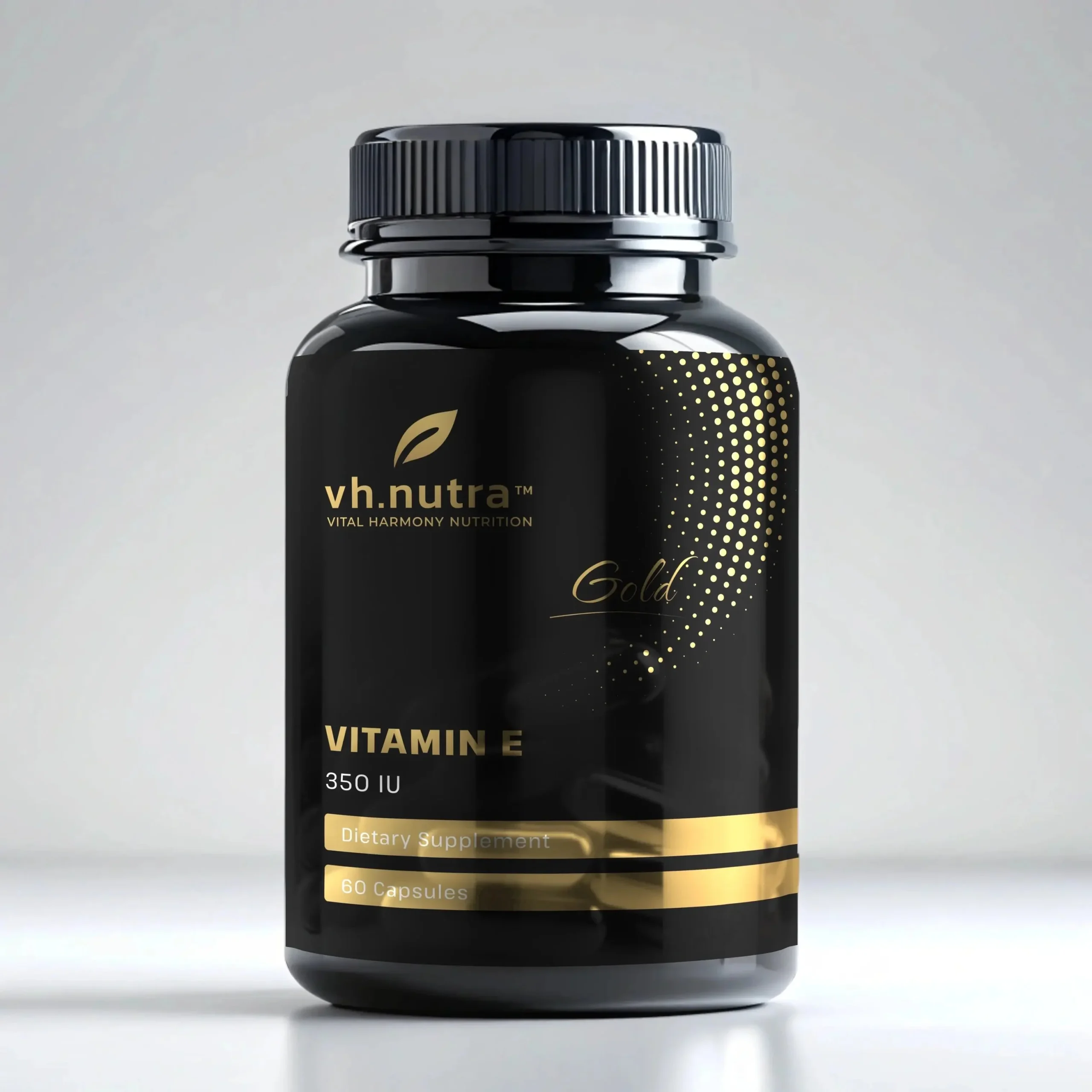
Scientific studies show that adequate levels of vitamin E in the body are associated with a lower incidence of chronic diseases related to oxidative stress. For example, VitalHarmony VH.Nutra Vitamin E provides 350 IU of alpha-tocopherol, which effectively supplements daily antioxidant protection.
2. Skin Health and Beauty
Vitamin E is rightly called the “beauty vitamin” — it is one of the most commonly used ingredients in skin care products. This fat-soluble vitamin helps protect the skin from UV-induced damage, reduces inflammatory processes in the skin, and promotes skin cell regeneration. Regular intake of vitamin E can improve skin elasticity and reduce the appearance of fine lines.
Even more interestingly, vitamin E works both internally and externally. Alpha-tocopherol helps maintain skin moisture, strengthens the skin barrier, and reduces transepidermal water loss. Therefore, many people who regularly take vitamin E notice healthier, more radiant skin after just a few weeks.
3. Immune System Strengthening
Vitamin E plays an important role in immune system function, especially in older age. This antioxidant strengthens the function of T-cells (immune cells) and helps the body fight infections more effectively. Studies have shown that vitamin E supplements can increase resistance to respiratory tract infections, particularly in people over 60.
Tocopherol also helps regulate inflammatory processes — it reduces the production of prostaglandins, compounds that promote inflammation. This means that adequate vitamin E levels help the immune system function in a balanced way — neither too weak nor too strong. For athletes and active individuals, this antioxidant protection is especially important, as intense physical exertion temporarily weakens the immune system.
4. Heart and Blood Vessel Protection
Vitamin E contributes to heart and blood vessel health through several mechanisms. First, alpha-tocopherol protects LDL cholesterol from oxidation — oxidized LDL cholesterol is one of the main risk factors for atherosclerosis and heart disease. Vitamin E also improves vascular endothelial function, helps maintain normal blood flow, and may slightly reduce platelet aggregation.
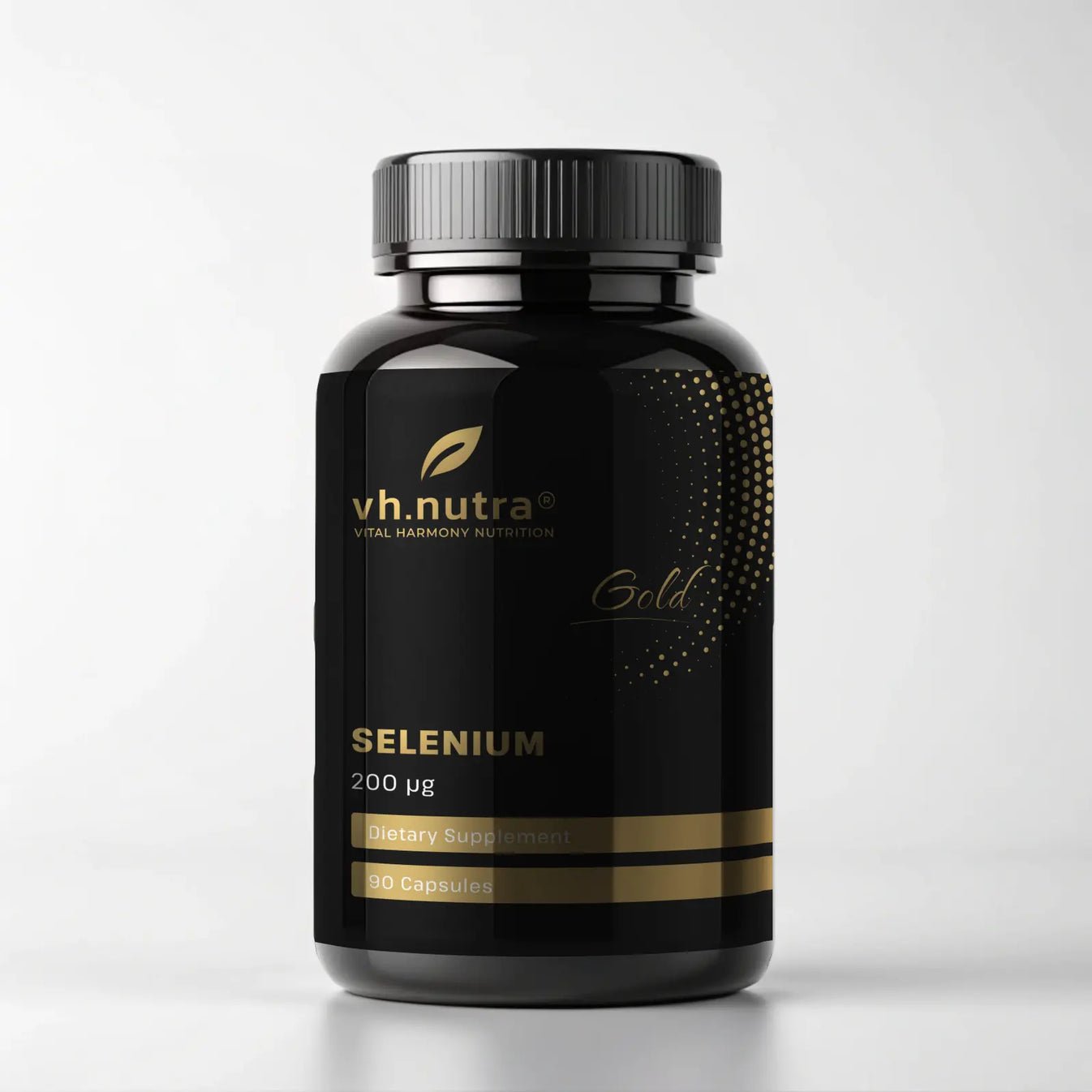
Although early studies showed conflicting results, newer data confirms that the cardiovascular benefit of vitamin E depends on the dose and duration of use. Moderate doses (100-200 mg per day), taken over a long period, show a positive effect on heart and blood vessel health. It is worth mentioning that vitamin E is recommended to be taken with other antioxidants — for example, VitalHarmony VH.Nutra Selenium 200 μg + Vitamin E creates synergistic protection for the heart.
5. Eye Health Support
Vitamin E is important for eye health, especially in older age. Together with other antioxidants such as vitamin C, zinc, and beta-carotene, alpha-tocopherol helps slow the progression of age-related macular degeneration (AMD). AMD is one of the leading causes of vision loss in people over 50.
The landmark AREDS (Age-Related Eye Disease Study) found that a combination of antioxidants, including vitamin E, reduced the risk of advanced AMD by approximately 25 percent. This fat-soluble vitamin protects retinal cells from oxidative stress caused by constant light exposure. Regular intake of vitamin E can be a valuable part of an eye health prevention strategy.
6. Hormonal Balance
Vitamin E is involved in hormone synthesis and metabolism, particularly in maintaining the balance of sex hormones. Alpha-tocopherol acts as a coenzyme in certain hormone production processes, and its antioxidant properties protect hormone-producing glands from oxidative stress. In women, vitamin E may help reduce symptoms of premenstrual syndrome (PMS), including breast tenderness and mood swings.
This antioxidant is also important for men — vitamin E protects sperm cell membranes from oxidative damage, thus contributing to male reproductive health. Studies show that adequate vitamin E levels are associated with better sperm quality and motility.
7. Athletic Performance and Muscle Recovery
For athletes and physically active individuals, vitamin E is particularly valuable for its ability to reduce exercise-induced oxidative stress. Intense workouts dramatically increase the production of free radicals in the body, and alpha-tocopherol helps neutralize this effect and speeds up muscle recovery after exertion.
Additionally, vitamin E can reduce muscle soreness after workouts (DOMS) — several studies have shown that vitamin E supplements before intense exercise reduce the level of creatine kinase (a marker of muscle damage) in the blood. For athletes, the recommended daily dose of vitamin E may be higher than usual — up to 200-400 mg per day, but it is worth consulting a specialist before increasing the dose. Vitamin E 350 IU is an excellent choice for active people — one capsule provides an optimal dose for daily antioxidant protection.
How to Take Vitamin E?
To get the maximum benefit from vitamin E, it is important to know the correct dose, timing, and duration:
- Recommended dose: 15 mg (22.4 IU) per day for adults — this is the minimum amount to ensure basic functions. For therapeutic purposes (skin health, sports, heart protection), 100-200 mg per day is recommended.
- When to take: Vitamin E is best taken in the morning or during the day, together with a meal that contains fat (nuts, avocado, olive oil, fish). Since vitamin E is fat-soluble, fats significantly improve its absorption.
- Duration of use: Vitamin E can be taken for a long time — months or even years. It is recommended to take a 2-4 week break every 3-4 months.
- Maximum safe dose: Up to 300-400 mg (450-600 IU) per day. Higher doses can impair blood clotting and interact with blood-thinning medications.
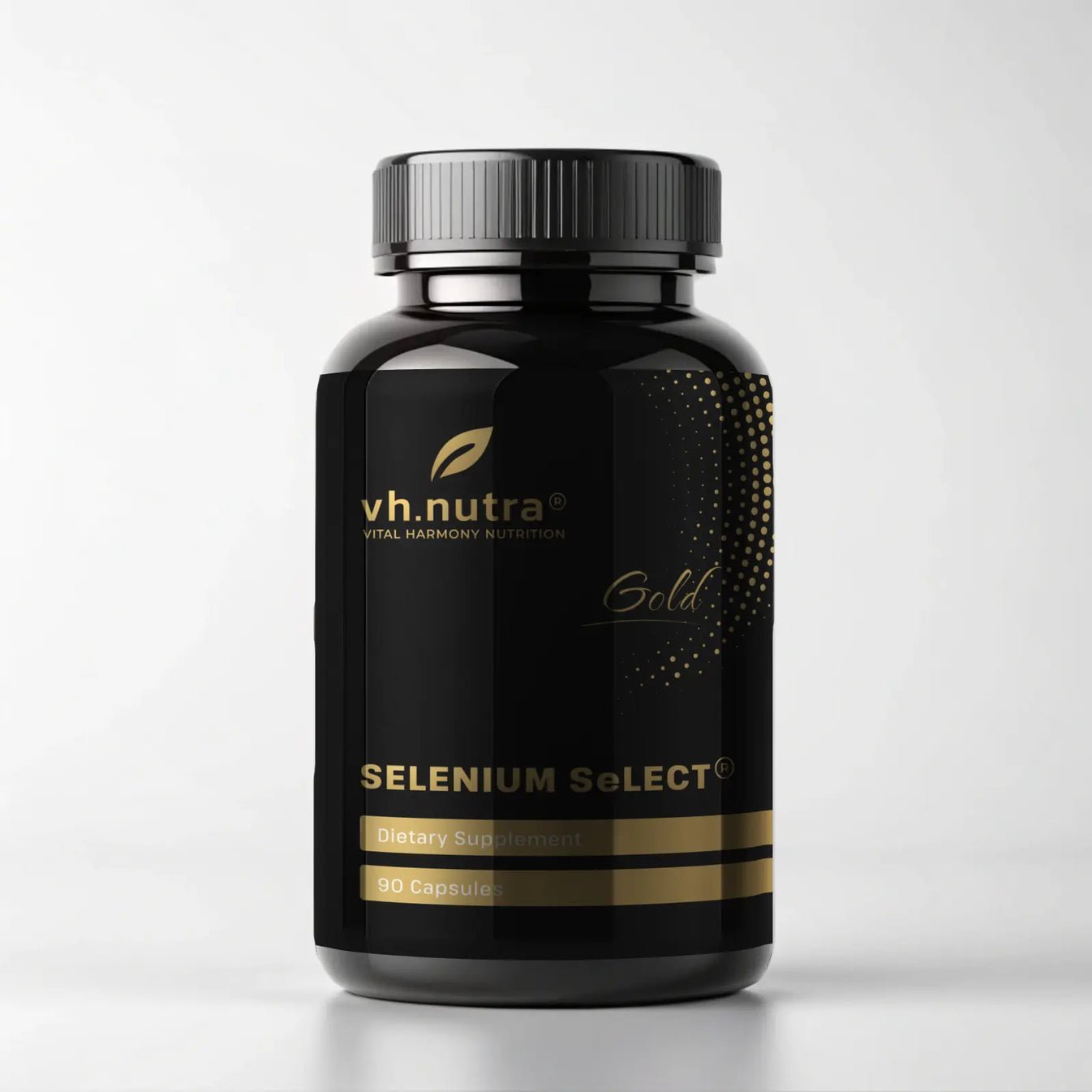
When choosing a vitamin E supplement, pay attention to the form — VitalHarmony VH.Nutra Selenium SeLECT® with Vitamin E offers a synergistic combination where vitamin E works together with organic selenium — this combination provides approximately 30 percent more effective antioxidant protection than vitamin E alone.
Possible Side Effects
Vitamin E is generally well tolerated, especially when taken at recommended doses. However, excessive doses (over 400 mg per day) can cause side effects:
- Headache, fatigue, weakness
- Digestive issues (nausea, diarrhea)
- Increased risk of bleeding (especially important for people taking blood-thinning medications)
- Possible interaction with chemotherapy and radiotherapy drugs
Nevertheless, when following recommended doses, vitamin E is one of the safest fat-soluble vitamins. Before starting higher doses, it is essential to consult a doctor, especially if you are taking blood-thinning medications (warfarin, aspirin) or have blood clotting disorders.
Vitamin E and Antioxidant Protection — What is Important to Know?
Vitamin E does not work alone — it is part of a complex antioxidant network where each element supports the other. Alpha-tocopherol regenerates oxidized vitamin C, and selenium is essential for the enzyme glutathione peroxidase, which also belongs to this network. Therefore, vitamin E is most effective when taken together with vitamin C and selenium — these three antioxidants create a synergy that is stronger than each individually.
Interestingly, vitamin E works most effectively in cell membranes — precisely where its fat solubility provides an advantage over water-soluble antioxidants. Alpha-tocopherol inserts itself into the cell membrane and “captures” free radicals before they reach sensitive cell structures. For this reason, vitamin E is essential for the protection of all tissues, especially those rich in polyunsaturated fatty acids (brain, nervous system, cell membranes).
When choosing a vitamin E supplement, it is worth paying attention to its natural form (d-alpha-tocopherol), which is approximately twice as biologically active as the synthetic form (dl-alpha-tocopherol). Additionally, some manufacturers offer vitamin E supplements with mixed tocopherols (alpha, beta, gamma, delta), which reflect the natural spectrum of vitamin E found in food. You can find more scientific research on vitamin E at the NIH Vitamin E Fact Sheet.
Frequently Asked Questions
Does vitamin E help with scars and stretch marks?
Yes, vitamin E can help reduce the visibility of scars and stretch marks due to its ability to promote skin regeneration and improve skin elasticity. Alpha-tocopherol is often used in skin care products specifically for scar treatment. However, the most effective results are achieved by combining both topical application and internal intake of vitamin E.
Which foods contain the most vitamin E?
The richest sources of vitamin E are wheat germ oil, sunflower seeds, almonds, hazelnuts, peanut butter, spinach, broccoli, and avocados. One tablespoon of wheat germ oil provides about 20 mg of vitamin E — the entire recommended daily allowance. If your diet lacks these foods, vitamin E supplements can be a practical solution. You can find more vitamin E supplements in the staystrong.lt catalog.
Can you overdose on vitamin E?
Yes, although vitamin E toxicity is rare, excessively high doses (over 400-500 mg per day for a long time) can cause side effects, including an increased risk of bleeding. Unlike water-soluble vitamins, fat-soluble vitamin E accumulates in the body, so the risk of overdose is higher. Always follow recommended doses and consult your doctor before starting higher doses.
How is vitamin E beneficial for hair?
Vitamin E improves blood circulation to the scalp and protects hair follicles from oxidative stress. This helps maintain healthy hair growth, reduces hair loss, and adds shine to the hair. Due to these properties, alpha-tocopherol is a common ingredient in hair care products.
Disclaimer: This information is for educational purposes only and cannot replace professional medical advice. Before starting any dietary supplements, it is necessary to consult a doctor or pharmacist.
Related Articles
- Selenium: 7 Benefits for Immunity, Thyroid and Antioxidant Protection
- Vitamin C: 7 Benefits for Immunity, Skin and Energy
- Coenzyme Q10: 7 Benefits for Heart, Energy and Health